Politics
Burnham pledges fiscal discipline, seeks radical power shift across Britain
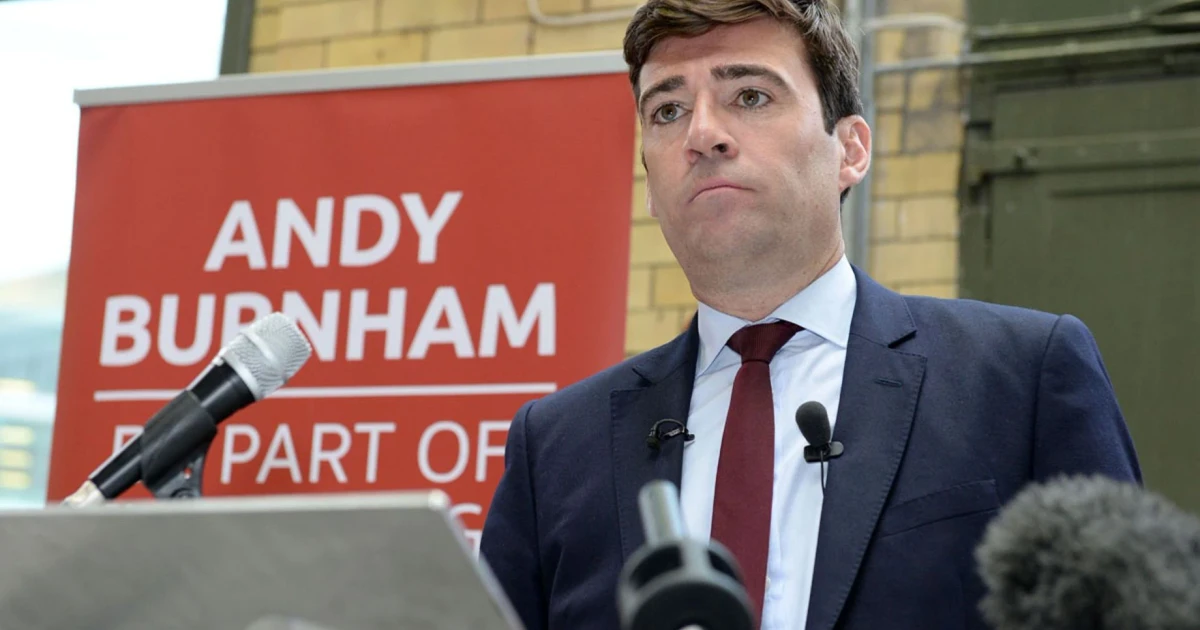
Andy Burnham used a Manchester speech on June 29 to promise fiscal discipline and a sweeping redistribution of power away from London, setting up the central test of his pitch for Britain’s next government. Speaking at the People’s History Museum, he backed Labour’s existing rules on spending and debt while arguing that his programme would still “give Britain some breathing space.”
Burnham’s message was designed to square two audiences at once. He said his plans remained consistent with Labour’s 2024 manifesto, including the commitment to balance day-to-day spending with tax revenues and to reduce debt as a share of output. That framework would allow only reforms that can be funded within the current tax and spending envelope, which makes his promise of more social housing and greater local control over water and utilities politically possible, but far less open-ended than the language of radical change suggests.

The constraints matter because Burnham has spent months being watched through the lens of the bond market. Earlier remarks had raised concern that he might loosen borrowing rules, but he later moved to reassure investors by explicitly backing fiscal discipline. He also said there would be no exemption for defense spending, closing off one of the easiest routes to justify extra borrowing. Unions and campaigners have warned that keeping Labour’s fiscal rules could become a “straitjacket” if Burnham tries to turn campaign rhetoric into a programme of structural reform.
Burnham paired that caution with a much bolder constitutional vision. He is planning a Manchester-based operation called “No. 10 North,” described as a “nerve centre” for a more decentralized state and a way to move part of the prime minister’s operation out of London and into northwest England. The idea fits the 10-year “good growth” mission he outlined, with a stronger role for regional leaders and a clearer tilt away from Whitehall’s central control.
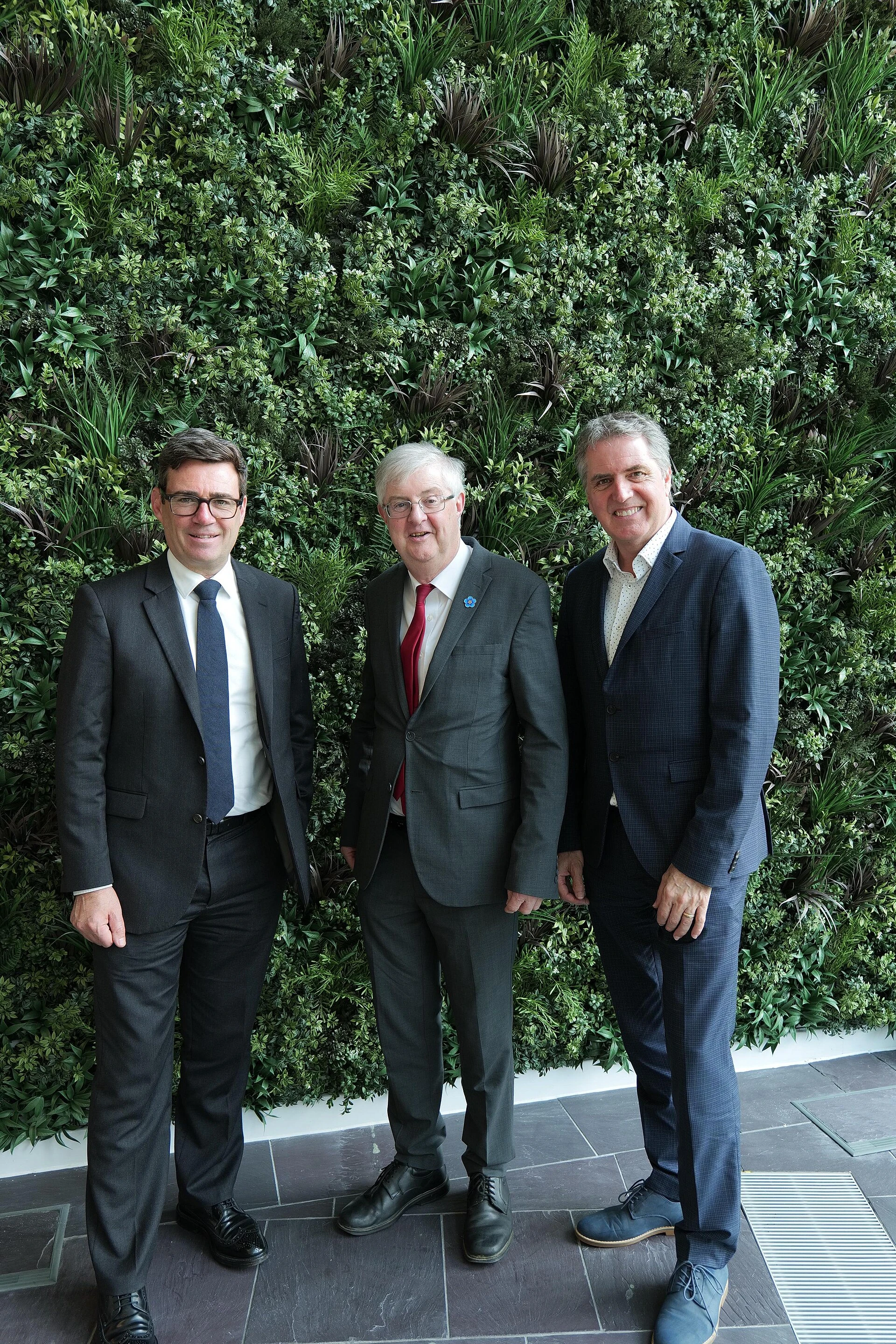
The timing gives the message extra force. Burnham returned to Westminster after winning the Makerfield by-election on June 18, his first major intervention since re-entering Parliament. His rise has accelerated since Keir Starmer resigned on June 22, and it comes after a decade in which Britain has had six prime ministers, a record of instability that has sharpened pressure for a leader who can look ambitious without looking reckless. The speech in his old mayoral city was meant to do both.
Sources
- [1]money.usnews.com
- [2]nytimes.com
- [3]apnews.com
- [4]telegraph.co.uk
- [5]independent.co.uk
- [6]uk.news.yahoo.com
- [7]morningstaronline.co.uk
- [8]news.sky.com