Politics
Burnham seeks cross-party deal to avert NHS collapse over social care
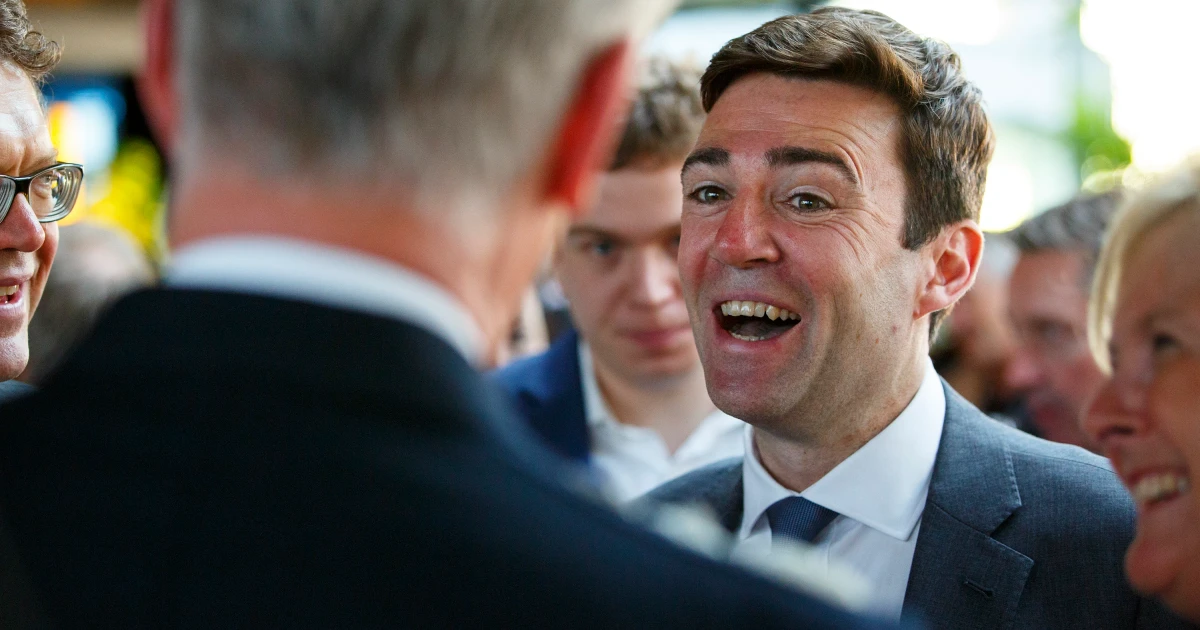
Andy Burnham told the BBC on 27 July that the NHS "will collapse" without social care reform, and said he would not want to leave office without bringing in "substantial change" to the system. He said he could not set a fixed timetable, but suggested major changes could still be made before the next election. Burnham has invited Conservatives and Liberal Democrats into the discussion, making social care a test of whether cross-party agreement can finally break Britain’s long record of stalled reform.
The immediate fault line is funding. Kemi Badenoch has written to Burnham urging him to "rule out any tax rises" to pay for social care reform, while Burnham has suggested making it harder to claim some benefits as part of efforts to reduce the welfare bill. A separate review is asking the public who should receive social care and how it should be paid for, keeping the central question of entitlement in the open and forcing parties to confront who would gain, who would lose and who would pay.

Burnham’s pitch also reflects his effort to end the "political point scoring culture" that has surrounded social care for years. That language matters because the basic trade-offs remain unresolved: a wider tax-funded settlement would spread the cost, but it would also require parties to accept higher public bills; a narrower system would mean tighter eligibility and a harsher test of need. Burnham’s suggestion on benefits points in that direction, but it would still leave open how much responsibility should sit with the state, families and local services.
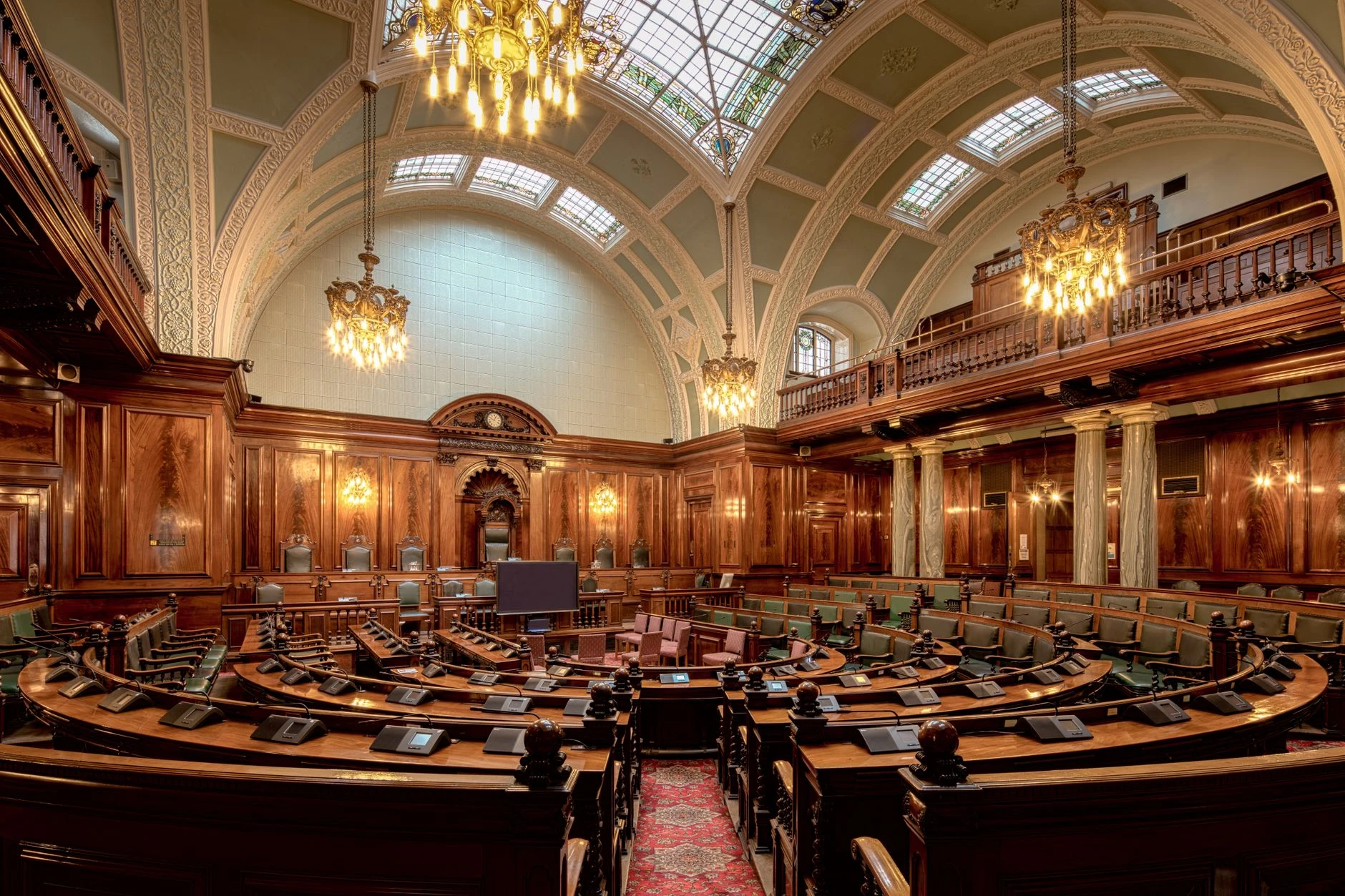
The politics of delay are familiar. In its 2019 manifesto, the Conservative Party promised to find a cross-party solution to reduce pressure on the NHS. In July 2020, Sir Simon Stevens said social care funding plans needed to be in place within a year, and the government then published People at the Heart of Care: adult social care reform in 2021. Yet the issue remains unresolved, with later government social care reform materials and a 2026-27 adult social care priorities document showing that councils and the care workforce are still central to any settlement.
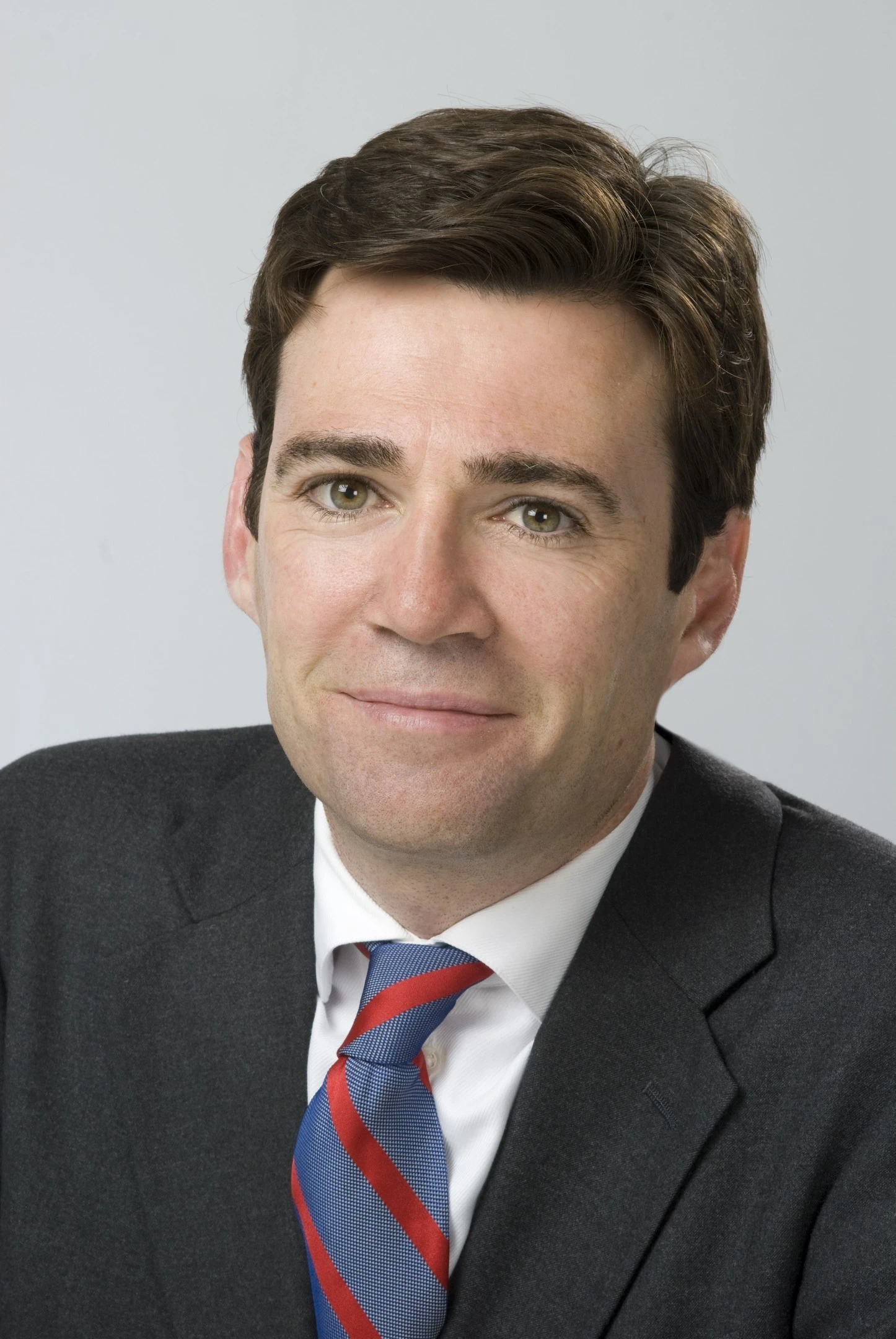
The Local Government Association says councils are key to making adult social care reform "stick", a warning that goes to the heart of implementation as much as funding. Its ten-years-on assessment of the Care Act 2014 underlines how long England has been trying to turn legislation into a durable system, and how much now depends on whether Burnham can turn talks with his rivals into decisions on money, eligibility and responsibility.
Sources
- [1]bbc.co.uk
- [2]bbc.com
- [3]independent.co.uk
- [4]gov.uk
- [5]local.gov.uk