Politics
Burnham to pitch major devolution push in economic speech next week
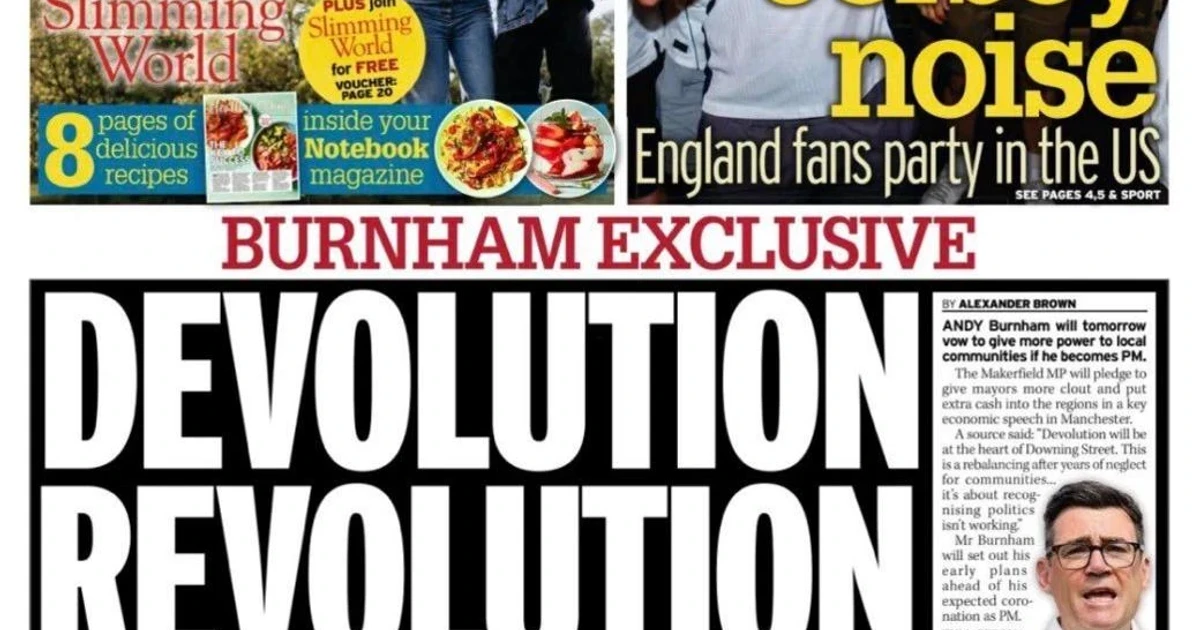
Andy Burnham is preparing to use a major economic speech next week to argue for a deeper transfer of power and funding from Westminster to regional mayors, as record June heat puts local resilience and infrastructure under a harsher spotlight. The pitch is being framed as a test of his economic credibility as much as his politics.
Burnham’s plan is expected to press for more mayoral control over social housing, welfare and post-16 education, with his allies casting it as part of a wider push for growth. The argument sits within his long-running “Manchesterism” approach, a business-friendly socialism built around devolution and the idea that communities, not Whitehall, should make more of the decisions that shape daily life. He has already been forced to row back from remarks about Britain being “in hock to the bond markets”, a reminder that his fiscal language will be scrutinised closely by investors and by the Treasury.

The speech arrives as the UK endures one of the most punishing June heatwaves on record. The Met Office provisionally recorded 36.1C at Gosport, Hampshire, on 24 June 2026, then 37.3C at Santon Downham in Suffolk on 26 June, topping the previous June daily maximum of 35.6C set in Southampton in 1976 and Camden Square in 1957. The heatwave brought the first three straight days of red heat warnings, with forecasts pointing to peaks of up to 38C in parts of England and very warm overnight temperatures, including tropical nights in urban areas. Wales’ June record of 33.7C, set in 2000, was also under threat.
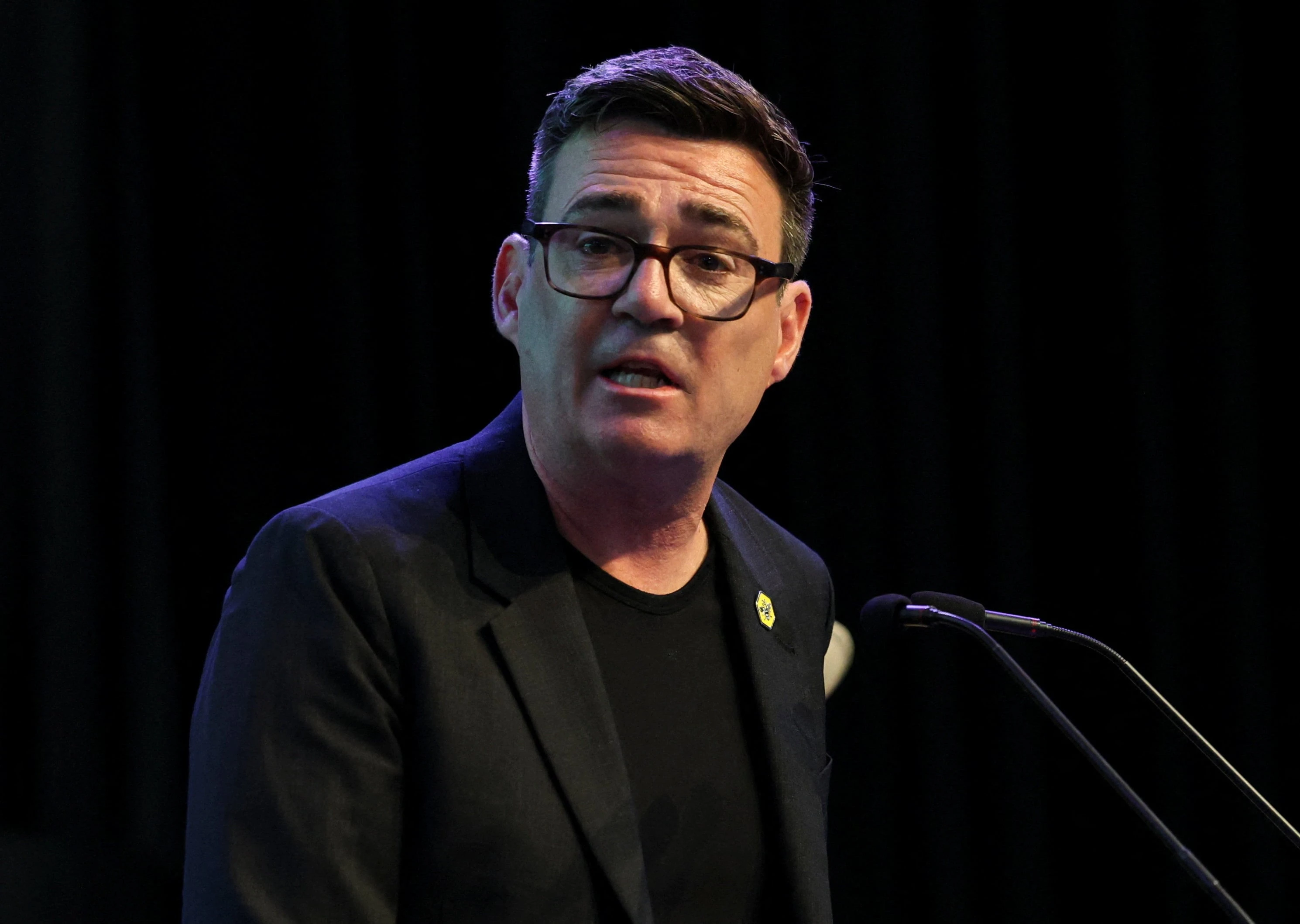
The timing gives Burnham’s devolution argument immediate practical weight. Cities and regions are being asked to cope with heat, pressure on transport and housing, and wider economic strain, yet the powers to act remain unevenly spread across the UK. Devolution has long varied between nations and regions, with authority over economic development, transport, housing and education already distributed in different ways. Burnham’s case is that England’s mayors need more than symbolic powers if they are to respond to crises and drive growth.
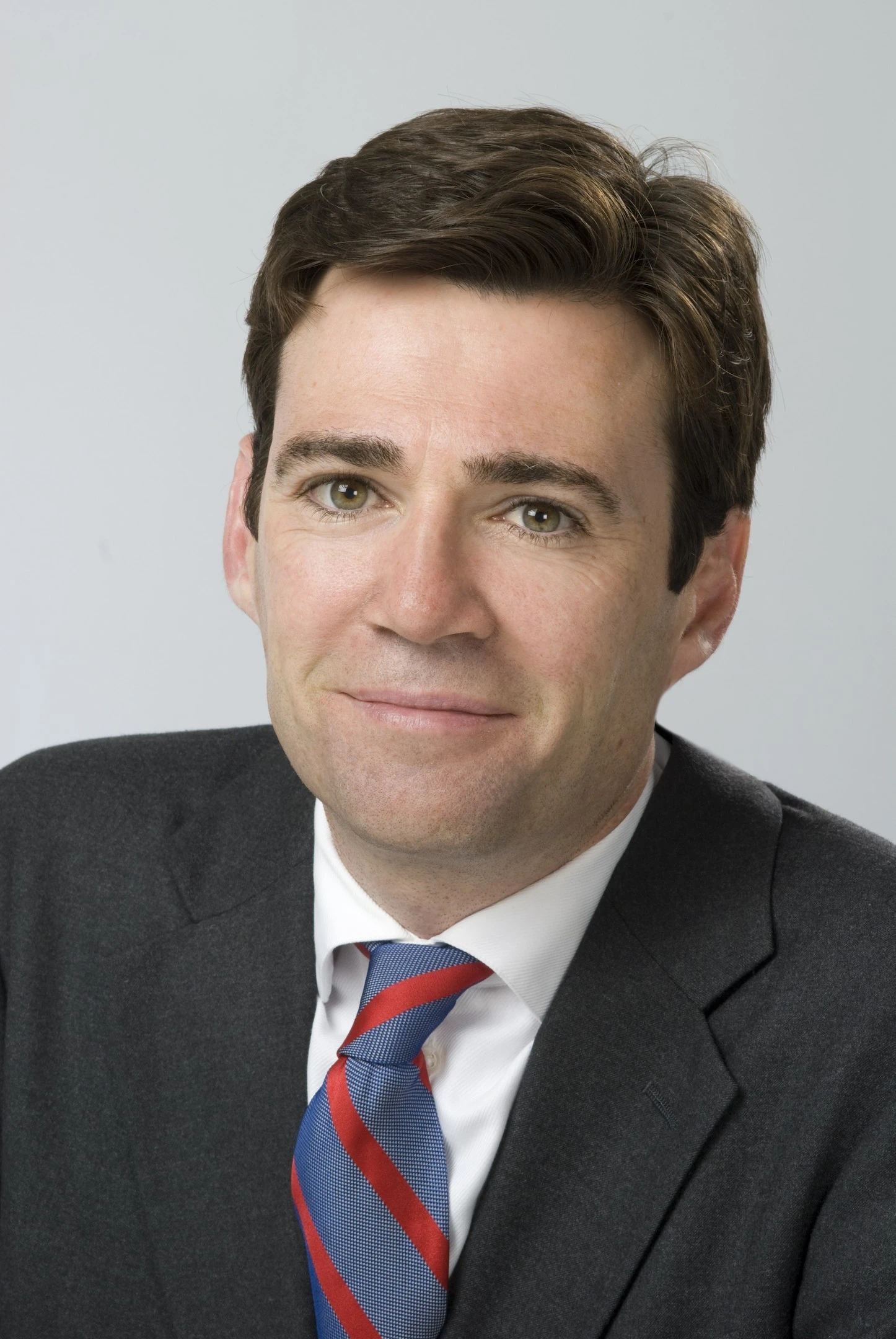
That view will face resistance. A Telegraph editorial has already branded devolution a “costly failure”, while other coverage has said Burnham will need to persuade the Treasury if he wants to move beyond existing settlements and win fiscal powers for local government. The argument now is not over whether local leaders should matter, but how much real authority and money Westminster is prepared to hand over.
Sources
- [1]bbc.co.uk
- [2]metoffice.gov.uk
- [3]independent.co.uk
- [4]theconversation.com
- [5]telegraph.co.uk
- [6]ft.com
- [7]news.bbc.co.uk