Politics
Burnham victory triggers Labour leadership race after Starmer resignation
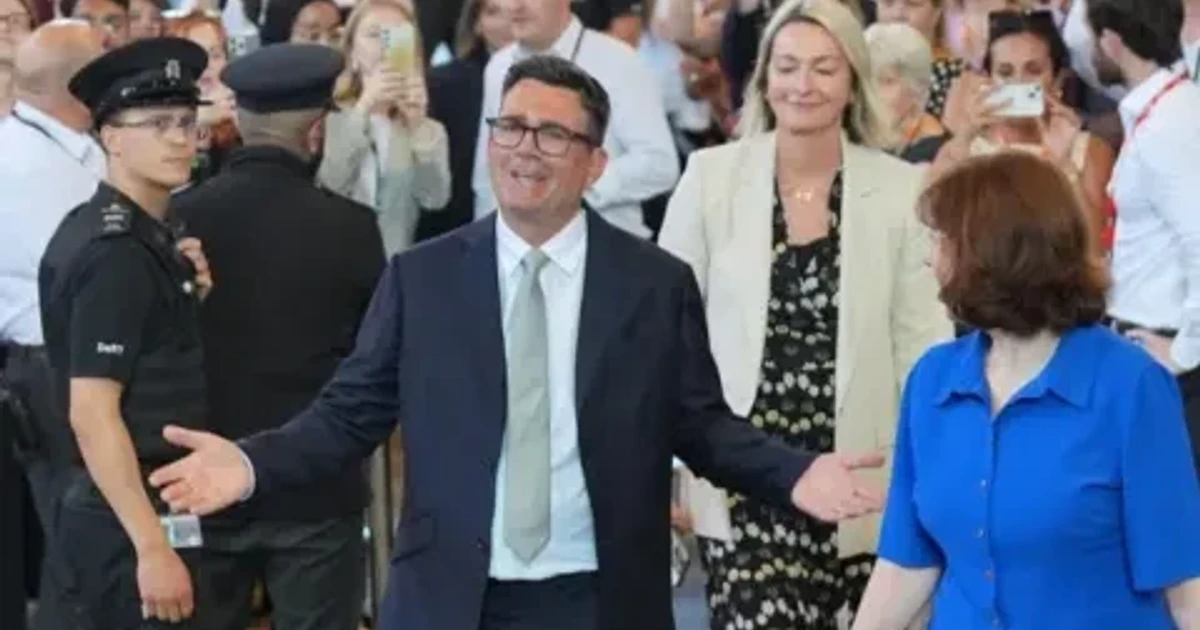
Andy Burnham’s landslide in Makerfield has done more than send him back to Parliament. It has pulled Labour into a leadership contest after Keir Starmer resigned as both prime minister and party leader, turning a local by-election into a test of Burnham’s national credibility. He won 54.8% of the vote, or 24,927 votes, with Reform UK’s Robert Kenyon taking 34.5% on 15,696 votes in a contest marked by 58.8% turnout.
The political significance goes beyond the numbers. Josh Simons resigned his Makerfield seat to let Burnham re-enter the House of Commons, because Labour rules require leadership candidates to be MPs. That procedural fix helped clear the way for Burnham’s return, but it has also sharpened the central question now facing him: whether his personal popularity can be converted into a workable plan for government, not just a challenge to Starmer.
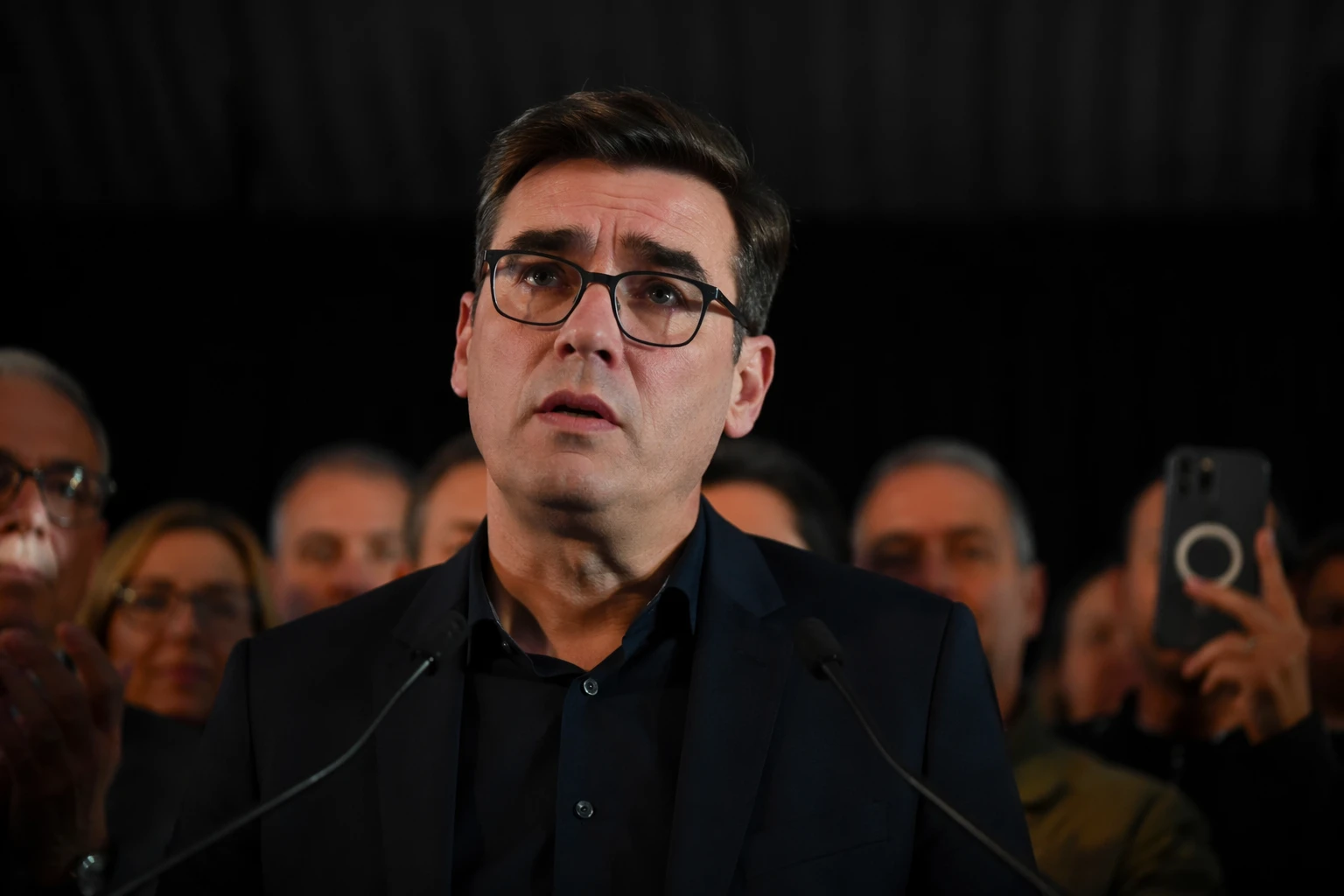
That is the scrutiny Burnham now faces on policy, coalition-building and electability. BBC political editor Chris Mason has argued that Burnham must set out his stall and explain how he would deliver on his promises, a reminder that momentum inside Labour is not the same as a national mandate. Burnham has yet to prove he can assemble a leadership coalition broad enough to unite MPs, members and voters beyond Greater Manchester, especially with pressure building over what a Burnham-led programme would look like on the economy, public services and Labour discipline.
Starmer moved quickly to contain the fallout. He said he would ask Labour’s National Executive Committee to open nominations on 9 July and complete the process by the summer recess on 16 July, with the aim of having a new leader in place before Parliament returns in September if the contest becomes disputed. Burnham is the only MP to have publicly declared so far, and Wes Streeting has already backed him, but Labour has only twice before chosen a new leader while in government, in 1976 and 2007.
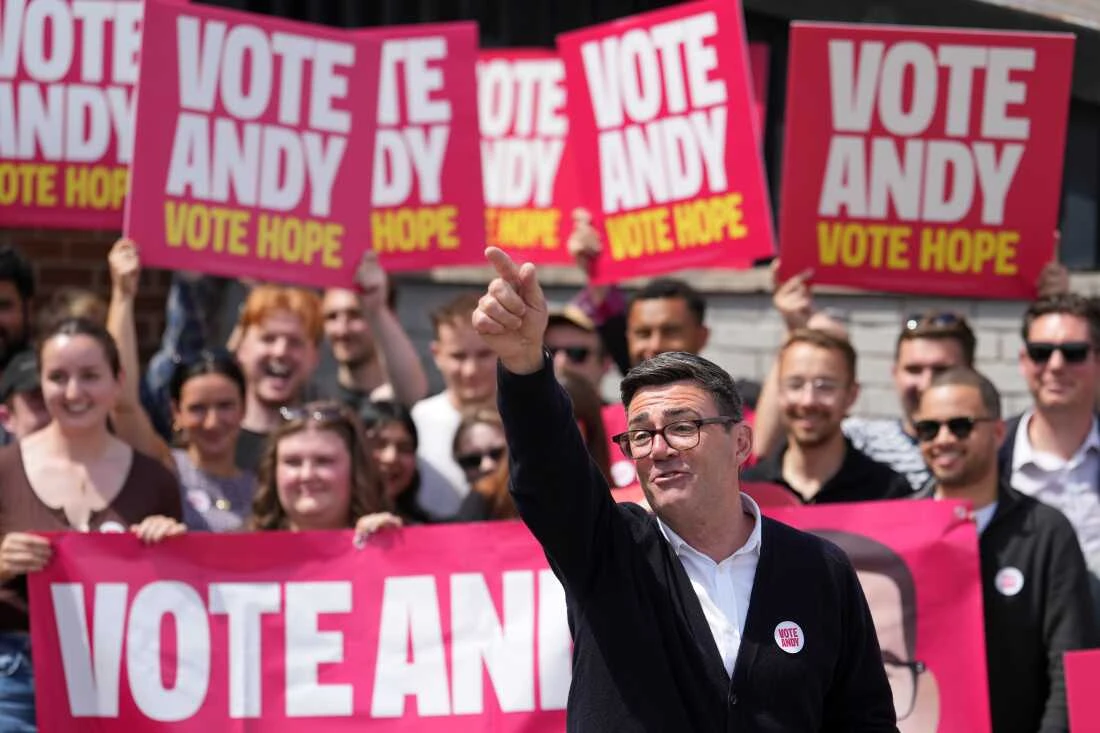
That history matters because the next few weeks could produce a rapid handover of power at Westminster. Burnham’s win has revived the long-running argument that he is now positioned to succeed Starmer, yet the greater challenge is proving he can turn a local victory, and a wave of party momentum, into a durable national claim to govern.
Sources
- [1]bbc.com
- [2]manchestereveningnews.co.uk
- [3]pollcheck.co.uk
- [4]telegraph.co.uk
- [5]nytimes.com
- [6]time.com
- [7]en.wikipedia.org
- [8]uk.news.yahoo.com