Politics
Burnham vows to stick to Labour manifesto, rules out early election
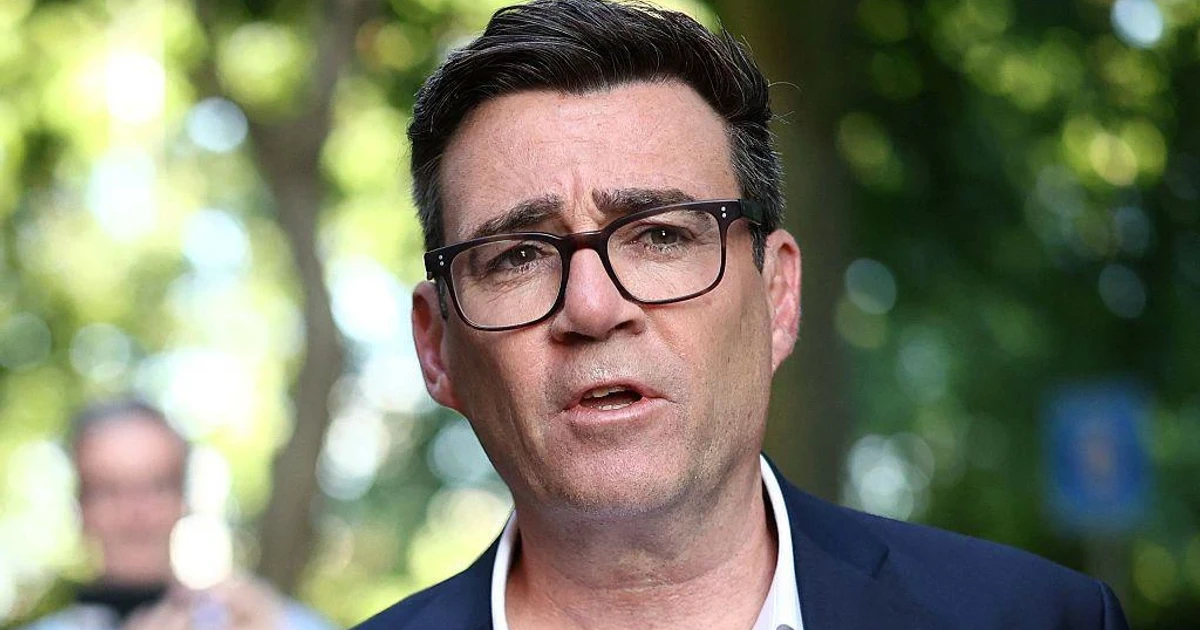
Andy Burnham has moved to tie himself to Labour’s 2024 election pledges, saying he will “stick by” the manifesto and its promises while ruling out an early general election if he becomes prime minister. The stance narrows the room for manoeuvre around taxes at a moment when Labour’s leadership rules and timetable could decide how far the party shifts after Keir Starmer.
Labour’s manifesto pledged not to raise National Insurance, the basic, higher or additional rates of income tax, or VAT, and said corporation tax would be capped at 25% for the whole parliament. It also promised that Labour’s first steps would include 40,000 more NHS appointments each week and the creation of Great British Energy, the publicly owned clean power company.

Burnham, who is the only candidate currently in Labour’s leadership process, has said there is still “some room” within the manifesto for movement on tax. That leaves open the possibility of adjustment without formally breaking with the party’s 2024 platform, a distinction that matters for ministers, MPs and voters watching whether Labour keeps Starmer-era fiscal discipline or resets its economic tone.
The contest itself is tightly governed. A challenger must win the backing of 81 MPs, or 20% of the parliamentary party, to enter the race. The Labour National Executive Committee has set 9 July to 16 July 2026 as the nomination window, and Starmer will remain leader and prime minister until the contest concludes.
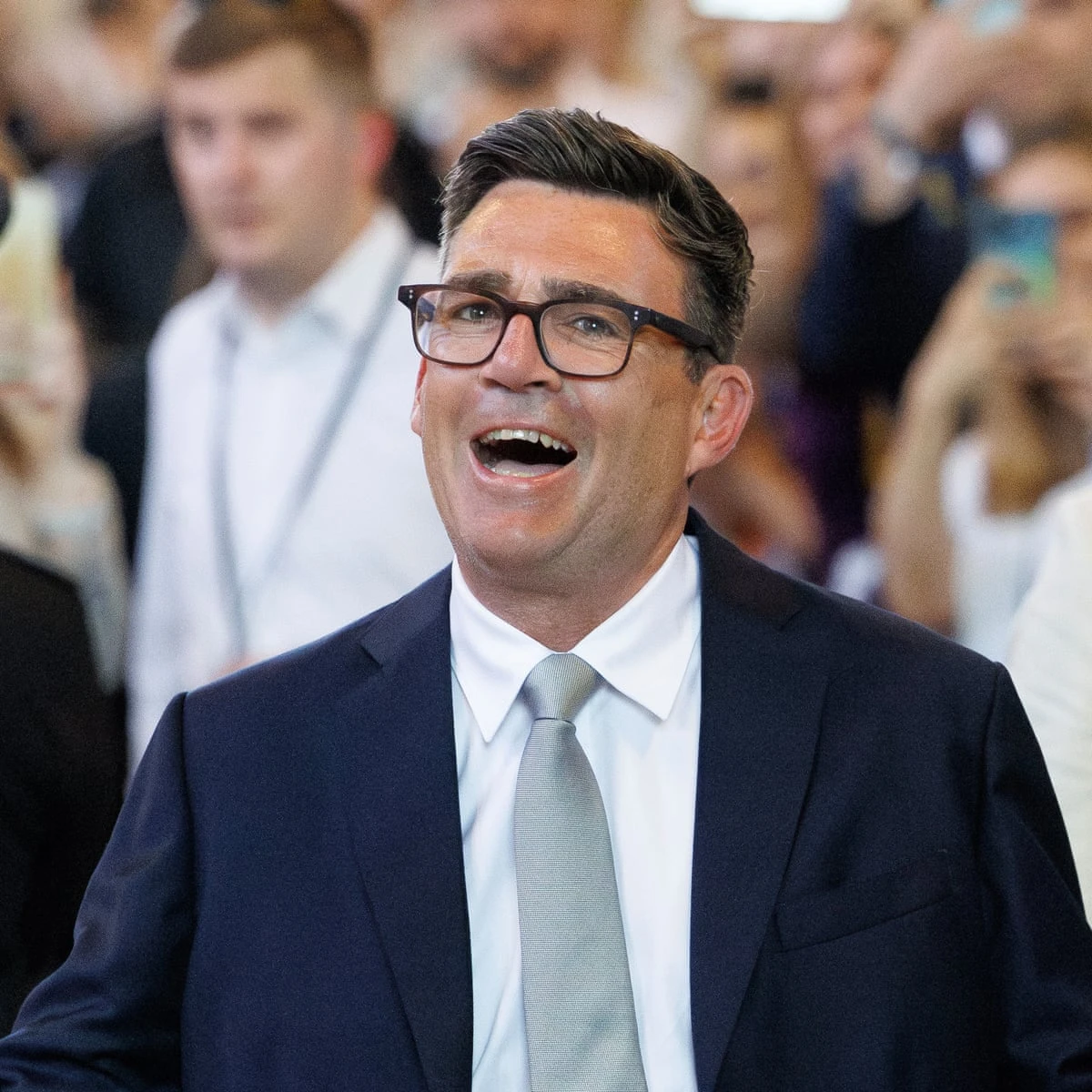
If another candidate is validly nominated and a ballot is required, it would run from 6 to 27 August, with the final result announced on 29 August 2026. For now, Burnham’s path depends on whether anyone can reach the threshold needed to force a vote.
The wider constitutional clock also shapes the politics. The next UK general election must be held no later than 15 August 2029, though a prime minister can call one earlier. Burnham’s decision to rule out an early election suggests he wants no break from the existing parliamentary timetable, even if he secures the top job before the next scheduled vote.
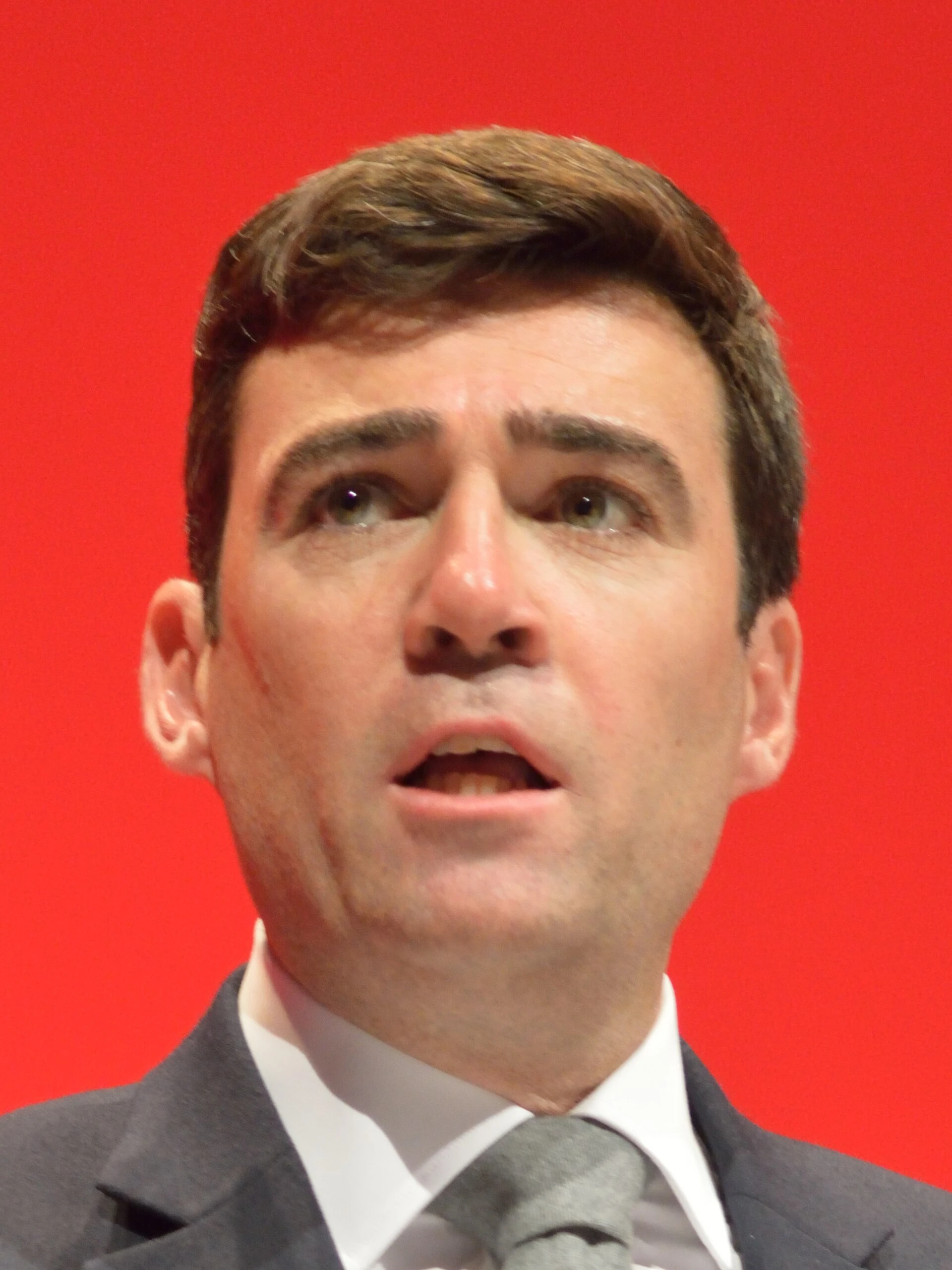
His position now sits at the centre of Labour’s internal balance of power in Westminster, where the party’s leadership rules, manifesto commitments and fiscal promises are set to define how much room the next prime minister has to move.
Sources
- [1]bbc.co.uk
- [2]news.sky.com
- [3]labour.org.uk
- [4]commonslibrary.parliament.uk
- [5]labourlist.org
- [6]cnbc.com