Politics
Burnham’s by-election win fuels Labour leadership challenge to Starmer
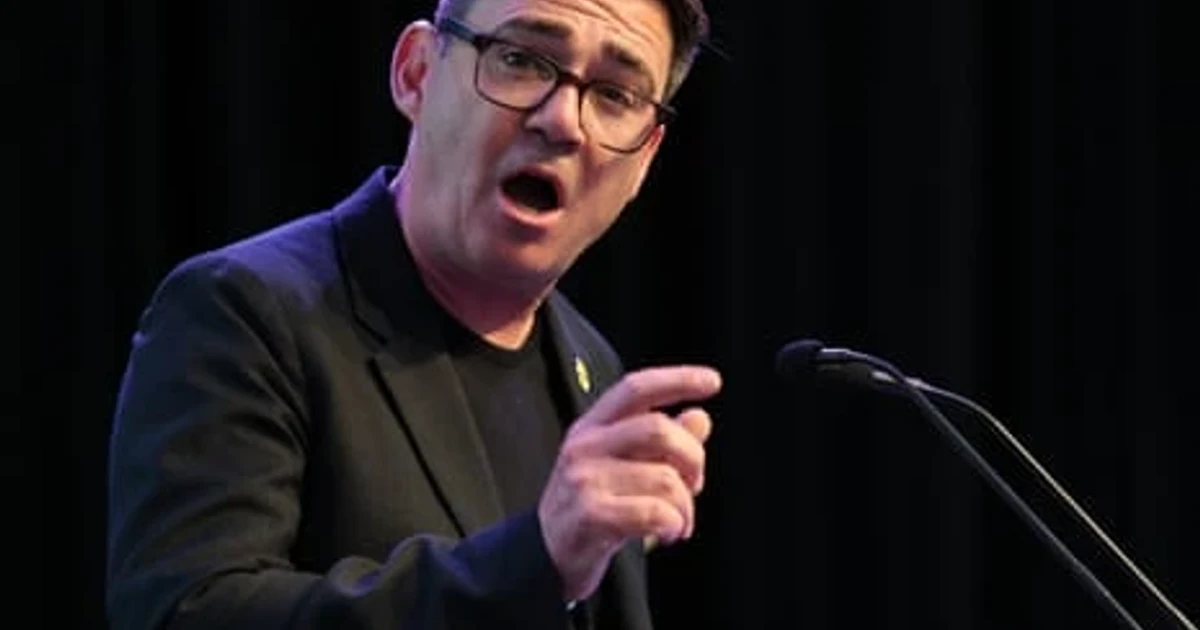
Andy Burnham’s return to Westminster came with a blunt electoral verdict: he took the Makerfield by-election with 24,927 votes, or about 54.8%, and beat Reform UK’s Robert Kenyon by 9,231 votes. The result, which gave Labour a 9.61% rise in vote share and 5,399 more votes than in 2024, restored Burnham to Parliament for the first time since 2017 and immediately intensified speculation that he could lead a challenge to Keir Starmer.
The win matters because Labour’s rules still put a hard gate in Burnham’s path. A sitting leader can only be challenged if a contender secures nominations from 20% of Labour MPs, a threshold that now works out to 81 MPs, and the challenger must be a member of the House of Commons. Burnham’s victory in Makerfield cleared that second hurdle. He is now back inside Westminster at the very moment Labour MPs are weighing whether a more popular figure can reverse the government’s slide in the polls.
Starmer has made clear he would not step aside. He has said he would not walk away and would fight any leadership challenge, warning that a contest would risk plunging the party and the country into chaos. That threat gives the contest more weight than a routine internal dispute: it is being framed as a test of whether charisma and a tougher populist message can compensate for the structural problems Labour now faces in government.
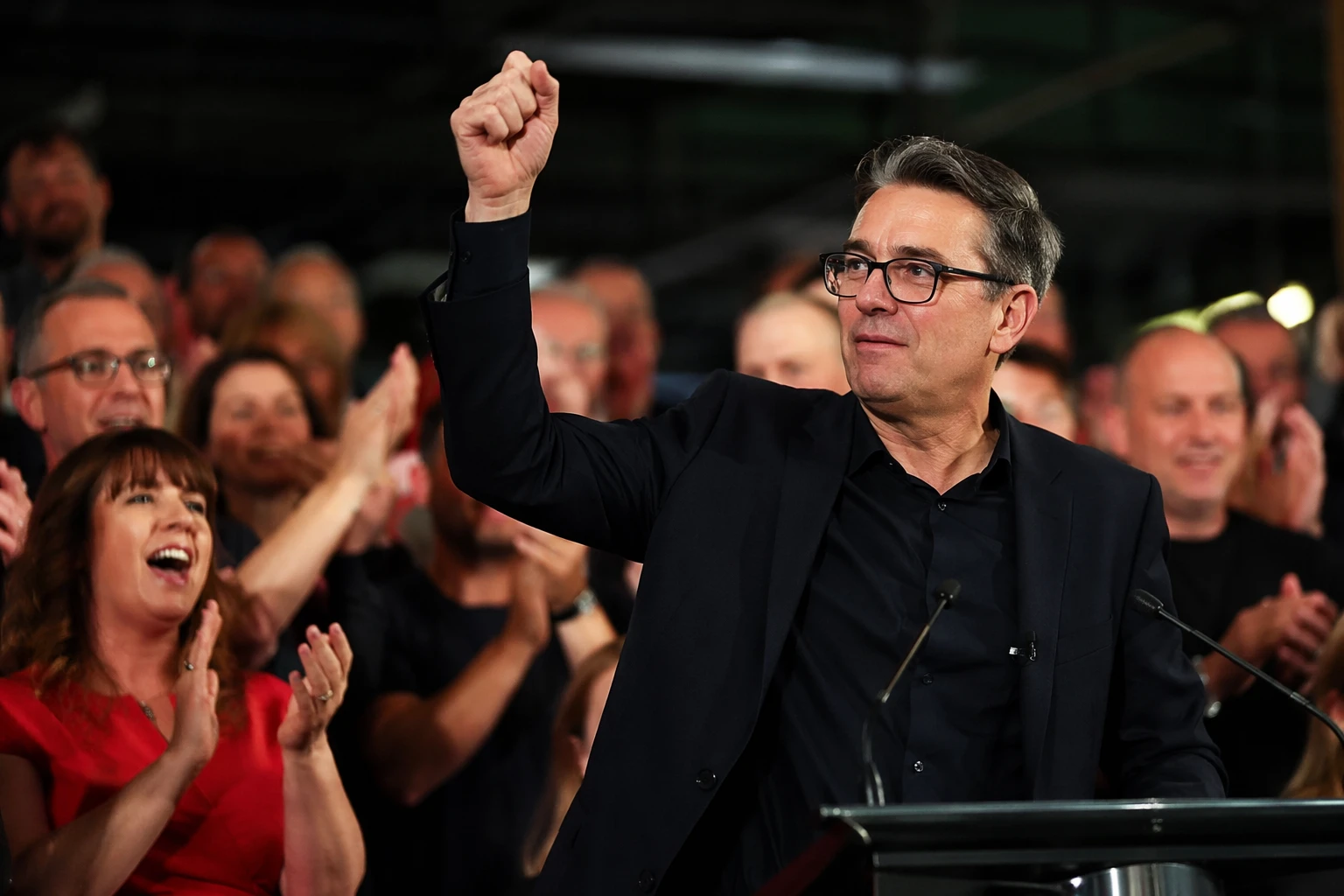
Burnham’s appeal is not in doubt. He was elected Mayor of Greater Manchester in May 2017 and re-elected in May 2021 and May 2024, building a profile that has long made him one of Labour’s most recognisable figures outside Westminster. Yet his return also lays bare the limits of personality politics. Burnham would inherit the same weak growth, pressure on public services and voter distrust that have dogged Starmer, alongside Labour’s struggle to hold back Reform UK in working-class seats such as Makerfield.
Burnham has already argued that Labour needs a “final chance to change” and must act on it. The Makerfield result gave that argument fresh force, but it also underlined the deeper problem: a leadership change may alter Labour’s image, yet it cannot by itself solve the economic and political strains now defining the government.