Business
Businesses Invest to Tackle Mechanic and Electrician Shortages
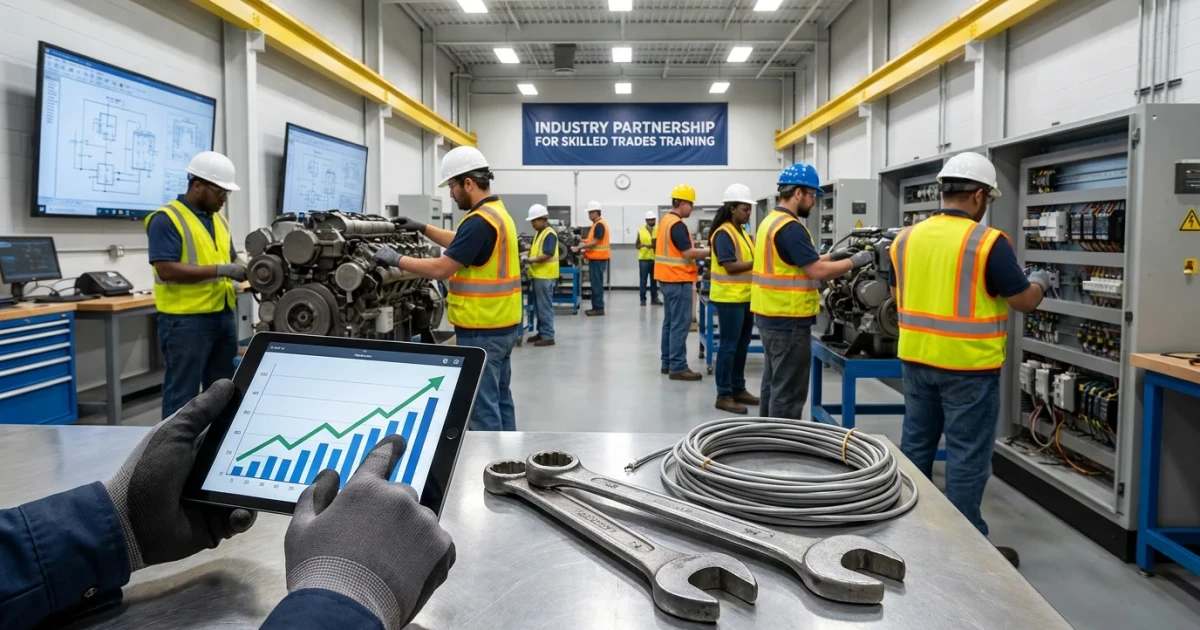
U.S. industries are ramping up investments in training and workforce development to address a critical shortage of mechanics and electricians, as demand for skilled trades continues to outpace supply across the country.
Shortage of Skilled Technicians Reaches Critical Levels
Reports from industry analysts and trade organizations highlight a growing gap in the technical workforce. According to the 2023 TechForce Foundation Supply & Demand Report, the pipeline for collision repair technicians currently fills just 42% of the demand needed by employers. This means for every ten jobs open in the field, fewer than five are likely to be filled by a qualified candidate.
- Automotive service technicians and mechanics face a projected employment growth rate of about 2% from 2022 to 2032, slower than average, yet the need to replace retiring workers keeps job openings high. See the latest BLS Occupational Projections Data.
- For electricians, the Bureau of Labor Statistics projects steady demand, with nearly 80,000 annual job openings expected over the next decade due to growth and retirements.
These shortages are particularly acute in construction and energy sectors, where expanding infrastructure projects and the transition to clean energy are fueling additional demand for electricians and skilled tradespeople.
Big Businesses Step Up Workforce Investments
With the traditional pipeline of technical workers—often fed by high school shop classes, community colleges, and apprenticeships—falling short, major U.S. corporations have begun investing directly in training and career development. The Wall Street Journal reports that automotive and energy companies are launching new apprenticeship programs and funding scholarships to attract more young people to the trades.
- Some employers are partnering with technical schools to modernize curricula and provide hands-on learning opportunities.
- Others are increasing pay, offering signing bonuses, and creating clearer advancement paths to make these careers more attractive.
- National initiatives, such as those supported by the U.S. Department of Energy’s Workforce Development Initiatives, are also providing federal funding for training programs targeting electricians and related trades.
Barriers to Filling Technical Roles
Despite these efforts, several obstacles persist. The TechForce Foundation highlights that public perception of technical careers remains a challenge, with many students and families unaware of the long-term earning potential and job security these roles can offer. National Skills Coalition research further notes that employer investment in training, while increasing, varies widely by region and industry, impacting how quickly shortages can be addressed.
Additional hurdles include:
- Outdated facilities and equipment at vocational schools
- Aging workforce, with many experienced technicians nearing retirement
- Relatively low rates of completion for registered apprenticeships, as tracked by the U.S. Department of Labor
What’s Next for the Trades?
Industry analysts say closing the skills gap will require a sustained, multi-pronged approach—combining public and private investment, modernized education, and ongoing efforts to elevate the profile of technical careers among young people. The 2024 Construction Workforce Shortage Report suggests states with the largest construction activity are already seeing the most aggressive hiring and training efforts.
With billions in infrastructure spending and clean energy projects on the horizon, the need for skilled mechanics and electricians is unlikely to fade. For job seekers, these trades offer a pathway to stable, well-paying careers—if they can acquire the necessary training. For businesses, investing in the workforce is increasingly seen as essential to keeping America’s economy running.