Entertainment
Busy Philipps says daughter’s ADHD diagnosis led to her own discovery

Busy Philipps’ daughter’s school struggles became the clue that changed how the actress understood her own life. After taking Birdie, then 15, to be evaluated, Philipps recognized the same patterns in herself and later learned she had attention-deficit/hyperactivity disorder as an adult, a discovery that puts a familiar but often overlooked pathway into sharp relief.
Philipps, 45, has said the diagnosis was not the first time ADHD had entered her life. She has described being diagnosed as a child, then losing access to treatment after her parents took her off medication, leaving the condition effectively forgotten for years. Another account said she sought a diagnosis when she was 39. Her experience reflects a wider pattern in which symptoms are missed, dismissed, or misread until a child’s evaluation forces a parent to look again at the same behaviors at home, at work, and in daily routines.
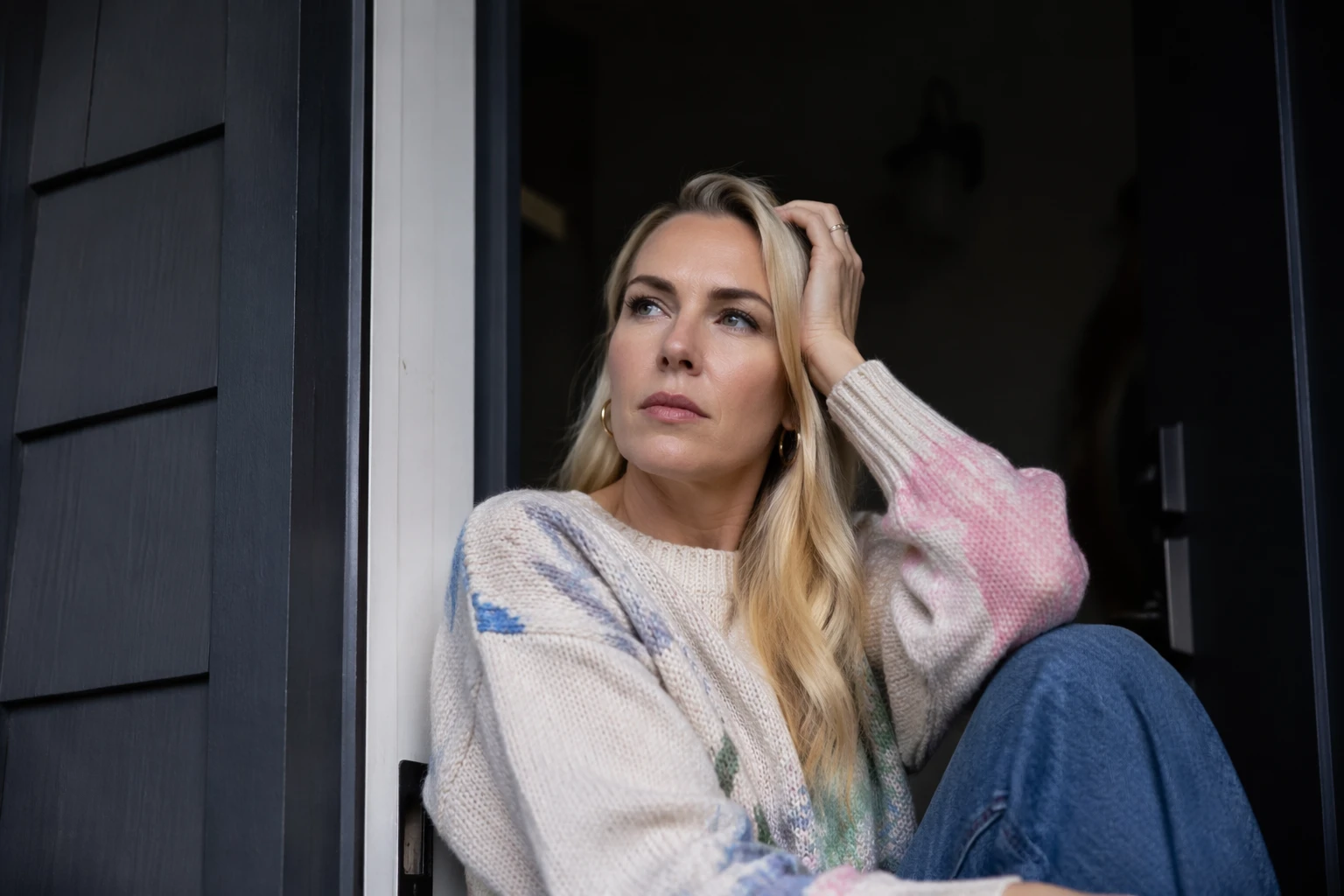
That late recognition is especially common for women. CDC data released in 2024 found that more than half of adults with ADHD were diagnosed in adulthood, and the agency says some adults may have ADHD even if they were never identified in childhood. Research also shows women are more likely than men to receive a first diagnosis later in life, particularly in the 17 to 32 age range. When diagnosis comes after years of struggle, women are more likely to have anxiety and depression or panic disorder alongside ADHD.

The missed years matter because ADHD does not always look like the restless child sitting still has long suggested. In adults, symptoms can shift with age and show up as disorganization, trouble focusing, forgetfulness, emotional overload, or chronic difficulty keeping up with competing demands. CHADD says many women do not seek an evaluation until after one of their children is diagnosed, and Philipps’ story fits that pattern closely.

The treatment gap remains substantial. CDC adult-ADHD data in 2026 found that about one-third of adults with ADHD were not receiving any type of treatment, and among adults taking stimulant medication, 71.5% reported difficulty filling prescriptions because of shortages. Philipps has used her platform to push for better understanding of ADHD, particularly in girls and adult women, a message that resonates far beyond one family’s diagnosis and into classrooms, clinics, and households across the country.
Sources
- [1]cbsnews.com
- [2]usmagazine.com
- [3]thehealthy.com
- [4]cdc.gov
- [5]chadd.org
- [6]sciencedirect.com
- [7]today.com