Lifestyle
Butter and margarine behave differently in baking, science explains
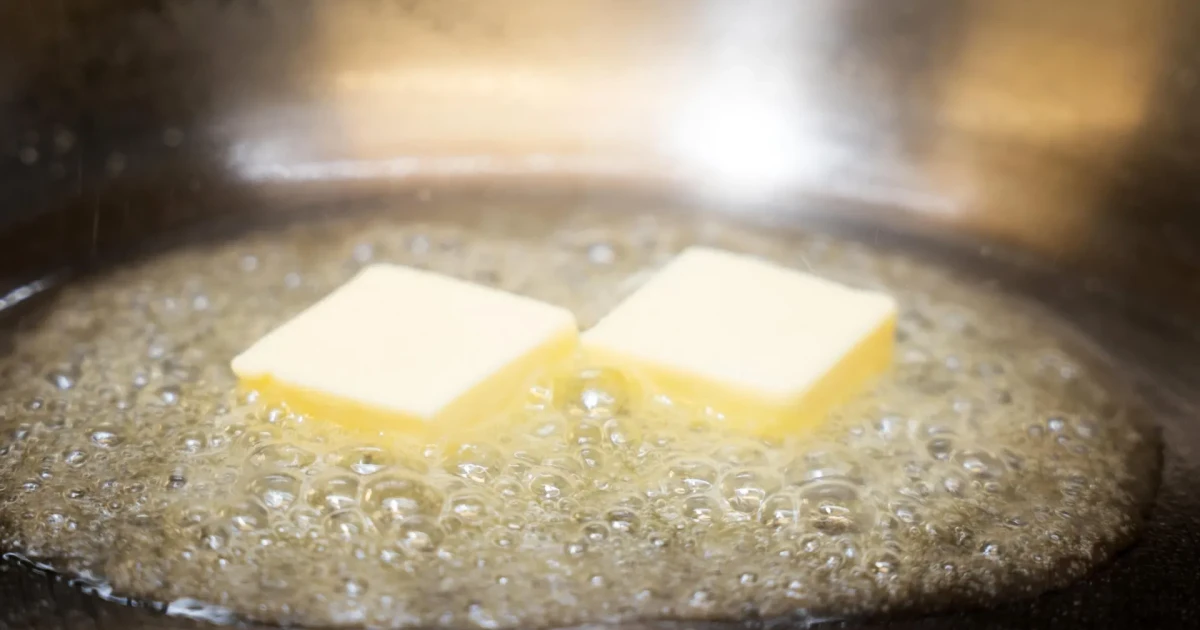
In pie crust, butter creates little pockets that release steam as they bake. Butter and margarine can look interchangeable on a counter, but they do not behave that way in a bowl, a skillet or an oven. Their fat structures, water content and milk solids change how they melt, brown, spread and hold moisture, which is why one ingredient can rescue a recipe and the other can throw it off.
Why the chemistry changes the result
Butter is built from milk fat, water and milk solids. Those milk solids help deliver the deep flavor and golden browning that people notice in cookies, pie crusts and breads, while the fat itself supports tender texture and flaky layers. Margarine was engineered from the start to do something different: provide a butter substitute with more predictable spreadability and a longer shelf life.
Food-science work on shortenings, margarine and butter points to a key difference in microstructure, driven by different raw materials and processing. Fat structure affects moisture retention, how heat moves through dough or batter, and how the final crumb sets.
Why margarine exists at all
Margarine did not begin as a supermarket compromise. French chemist Hippolyte Mège-Mouriès developed it in the late 1860s after winning a prize offered by Napoleon III for a satisfactory butter substitute, and he received a U.S. patent in 1873. The product’s history explains its design: margarine was meant to imitate butter’s usefulness while offering a different industrial and culinary profile.
Federal regulation still treats margarine as a defined product, not just a vague spread. U.S. rules define it as a plastic form or liquid emulsion containing not less than 80 percent fat. That standard helps explain why some products behave more like butter in recipes than others do.
When butter helps, and when it gets in the way
Butter shines in recipes where flavor and browning matter most. The naturally occurring fats help create rich taste, golden color and the delicate layers that make pastry feel airy instead of dense.
Its water and milk solids can also be a drawback. In some batters and doughs, that extra water changes hydration enough to alter texture, and the milk solids can brown faster than the rest of the fat. That is useful when you want a cookie edge or a bread crust to color quickly, but it can work against a formula that depends on very steady fat behavior.
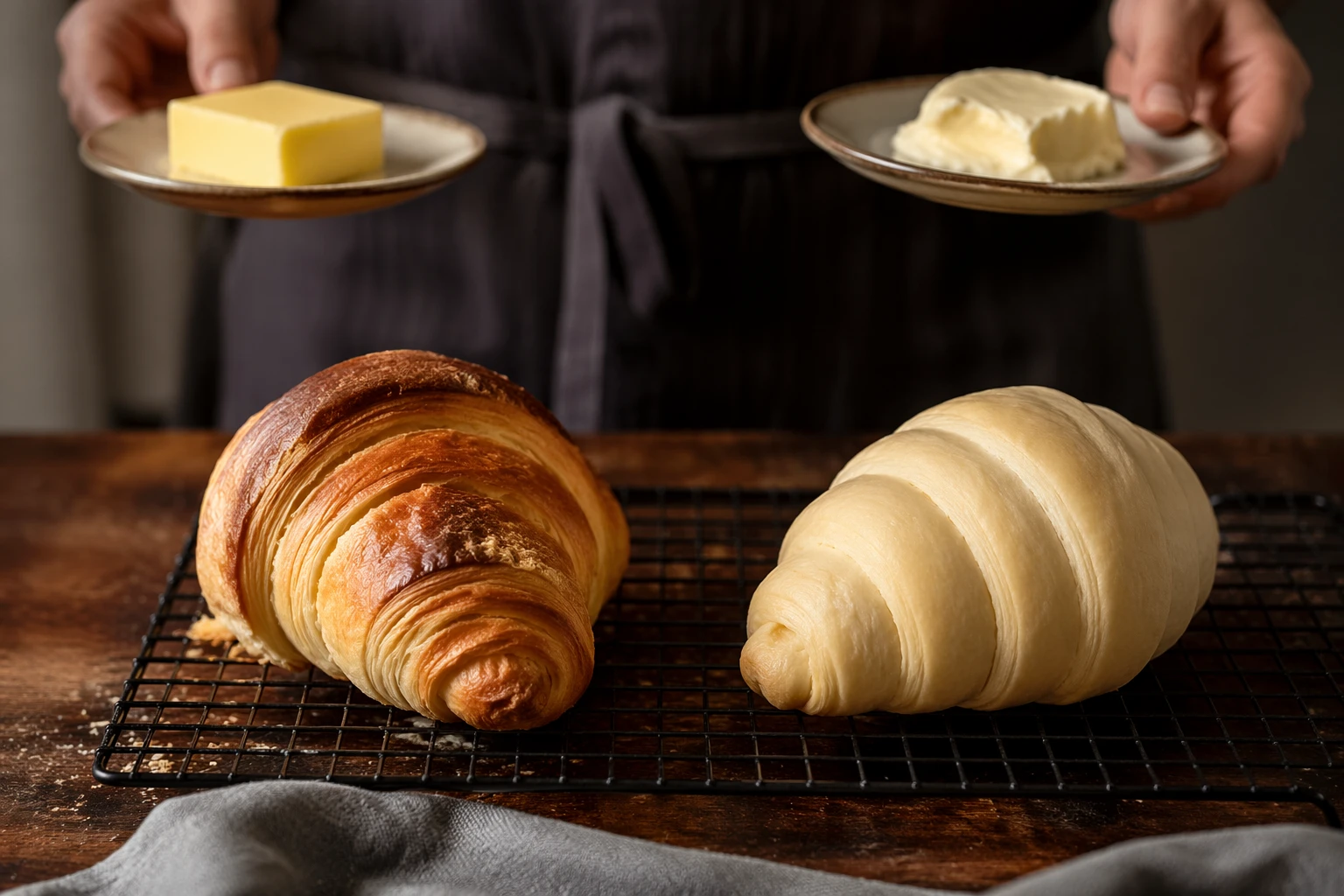
The old spreadability problem helps explain why butter is less forgiving in cold conditions. In 1999, CSIRO researcher Suresh Gulati linked butter’s poor spreading when chilled to its high proportion of saturated, hard fatty acids. Butter taken straight from the refrigerator can tear bread or resist creaming, even when the label makes it sound as if it should act like a soft spread.
When margarine makes more sense
Margarine tends to perform better when consistency is the priority. Because it is made from modified plant oils, its structure is designed for spreadability, steadier handling and a longer shelf life. That can be useful in recipes where you want a uniform fat distribution, a softer refrigerator spread or a product that behaves the same from one batch to the next.
For baking, that predictability matters in practical ways. If a dough or batter depends on even mixing and a controlled spread, margarine can be the more reliable choice. If a recipe depends on butter flavor, visible browning or a particular flaky texture, substituting margarine can change the result enough that the finished food looks and tastes different even if the ingredient swap seems minor.
Heat is another place where the difference shows up. Butter’s milk solids are part of its flavor advantage, but they also mean it can brown quickly in a pan. Margarine, with its engineered plant-oil base and more uniform structure, can be the steadier option when the goal is a moderate-heat cook with less pronounced dairy browning.
How to choose at the store and in the kitchen
Butter remains a mainstream household ingredient. The University of Wisconsin Center for Dairy Research put U.S. butter consumption at 6.2 pounds per person in 2019, more than 26 percent higher than in 2010.
A simple way to decide is to work backward from the recipe:
• Choose butter when flavor, browning and flaky structure matter most, especially in pie crusts, cookies and breads. • Choose margarine when spreadability, consistency and a longer shelf life matter more, especially in recipes that need a stable, even fat. • Pay attention to fat content, because a product that meets the 80 percent fat standard is more likely to behave like traditional margarine than a softer spread with more water.