Politics
BWCA Protections Face Uncertain Future After House Vote
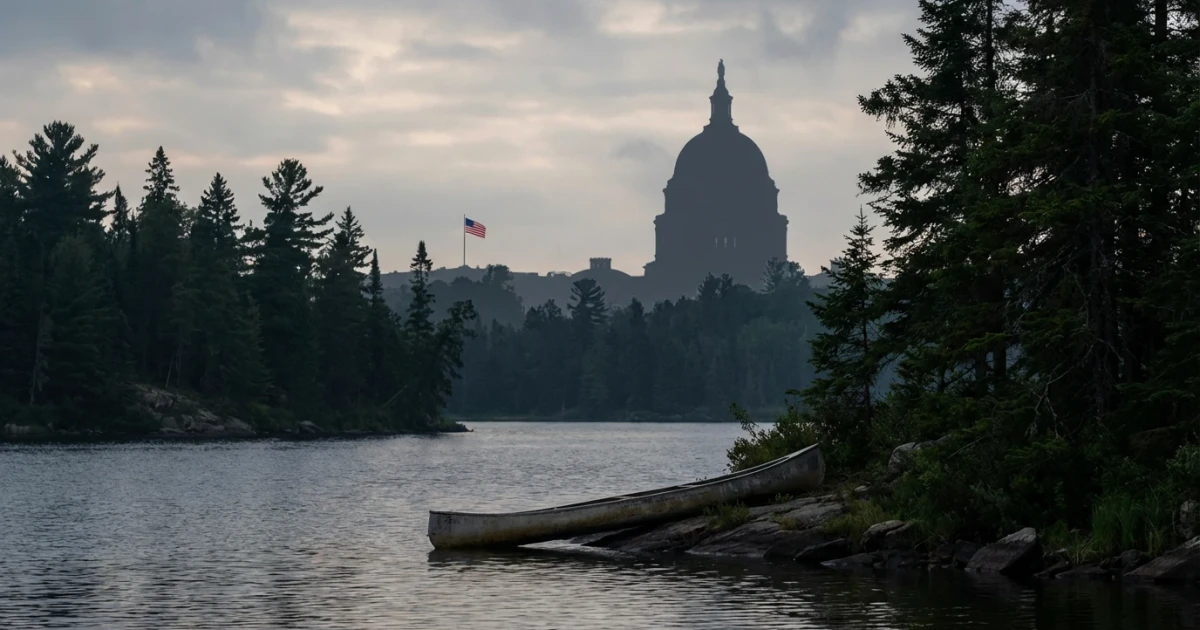
Protections for the Boundary Waters Canoe Area Wilderness (BWCAW) are in doubt after the U.S. House of Representatives passed legislation that could clear the way for mining near the popular wilderness area. The decision has sparked alarm among conservationists and local advocates, who warn of potential risks to one of America’s most-visited wilderness destinations as the Senate prepares to review the measure.
House Passage Raises Concerns
The legislation in question is H.R.3195, the Superior National Forest Restoration Act, which seeks to reverse recent federal actions restricting mining activities on lands near the BWCAW. Proponents argue that the bill will boost economic opportunities, but opponents say it threatens the region’s delicate ecology and recreational economy.
The BWCAW drew over 165,000 visitors in 2022, sustaining an outdoor recreation industry that supports local jobs and businesses. Conservation groups point to these figures as evidence of the area’s enduring value and vulnerability to industrial development.
Environmental Implications
At the heart of the debate is the risk that copper-nickel mining poses to the interconnected waterways, forests, and wildlife that define the BWCAW. The U.S. Geological Survey has documented the region’s sensitive water quality, which could be affected by mining runoff and waste. The area’s lakes and streams are critical not only for recreation, but also for maintaining biodiversity and supporting downstream communities.
The Superior National Forest, which encompasses the BWCAW, is managed under a comprehensive land management plan designed to balance resource protection with public access and sustainable use. Critics of the House bill argue that it undermines these longstanding protections by allowing new mining leases near the wilderness edge.
Divided Stakeholder Perspectives
- Supporters of the bill say it will revitalize the local economy by unlocking mineral resources and creating jobs in northeastern Minnesota.
- Opponents counter that the risks to water quality, wildlife, and the outdoor recreation economy are too great, referencing the large number of active mining claims already present in the region.
The Star Tribune editorial points out that the House vote represents a significant shift in federal policy, and warns that the Senate’s decision will be critical for the future of the BWCAW. The editorial frames the House action as a “betrayal” of public land protections, reflecting the deep divisions over how best to manage the nation’s wilderness resources.
What’s Next in the Senate
With the bill moving to the Senate, its fate remains uncertain. Lawmakers will face pressure from both sides—those advocating for economic development and those fighting to safeguard the BWCAW’s unique character. The outcome will have lasting implications for federal land management and the precedent set for other protected areas.
As the debate continues, many are urging the public to stay informed and engaged, recognizing the BWCAW’s significance as a natural, cultural, and economic asset. The region’s future may ultimately be decided not only by legislators, but by the voices of citizens who rely on and cherish this irreplaceable wilderness.