Business
BYD delays Hungary EV production to late 2026, pauses Turkey plant
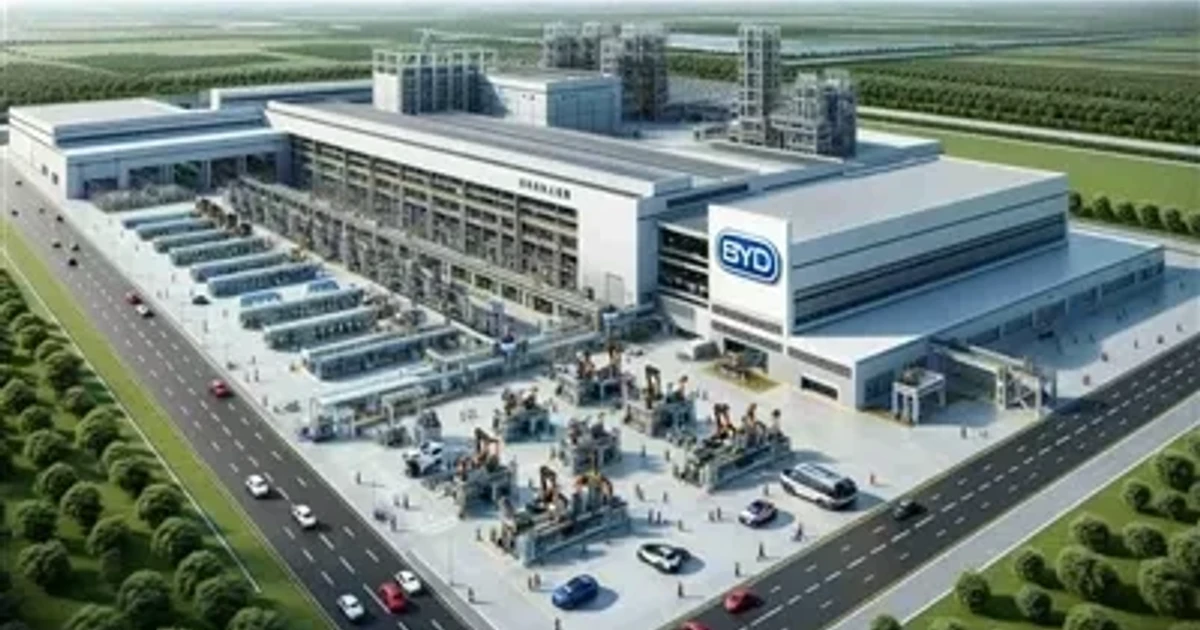
BYD has pushed the start of production at its Hungarian factory into the fourth quarter of 2026, while pausing work on a planned plant in Turkey, a delay that shows how hard it is for Chinese automakers to turn export success into lasting European manufacturing power. The move matters well beyond one factory in Szeged, because Europe is trying to welcome investment without surrendering control of jobs, supply chains and strategic industry.
Stella Li, BYD’s executive vice president, said Hungary is now the company’s top priority and that BYD is still installing equipment at the site in southern Hungary. She also said the Turkey project has not started and has no timeline. That is a sharp retreat from the company’s earlier plan to begin making the Dolphin Surf compact electric car in Hungary by the end of 2025.
The Hungarian plant has been described as designed for an initial annual capacity of 150,000 vehicles, with room to expand to 300,000. BYD had already signaled that the factory would run below capacity for at least its first two years, and the latest delay pushes meaningful output even further into the future. Szeged Mayor László Botka has called BYD’s investment “the largest industrial investment in the city’s history.”
The stakes are rising because BYD’s European business is surging. The company’s sales in Europe grew 270% in 2025 to almost 188,000 vehicles, then rose another 144% year to date through May 2026 to more than 100,000 units. That growth helps explain why the company wants local production: cars built in Europe can avoid the European Union’s tariffs on Chinese-made electric vehicles, including the bloc’s standard 10% car duty and the definitive countervailing duties imposed in October 2024 for five years.
BYD is also looking for a second European production site, with Spain among the countries being considered for an existing factory in southern Europe. That search suggests the company is not backing away from the continent, only recalibrating its route into it. For European policymakers, the challenge is balancing lower-cost Chinese capital against industrial security concerns. For European and U.S. automakers, the delays buy time to defend pricing, sourcing and market share before BYD can scale local production across the region.
Chery has also faced delays in Europe, a sign that the continent’s EV market is no longer won by announcements alone. The next competitive edge will belong to the companies that can actually build cars on European soil, at scale, and on time.
Sources
- [1]uk.finance.yahoo.com
- [2]ec.europa.eu
- [3]finance.yahoo.com
- [4]msn.com
- [5]english.news.cn
- [6]electrive.com