Business
BYD eyes Spain for second European EV plant, seeks factory takeover
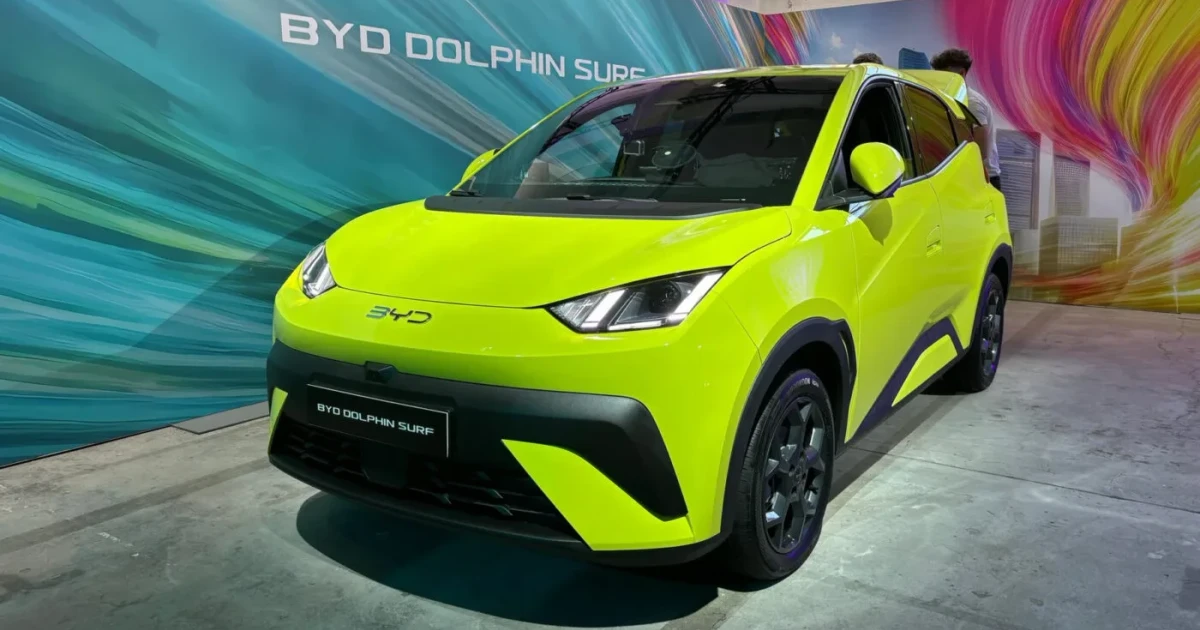
BYD is looking at Spain for its second assembly plant in Europe, and the Chinese carmaker wants a takeover, not a ground-up build. Stella Li, BYD’s executive vice president, said in Berlin that the company preferred to buy or repurpose an existing factory in southern Europe so it could start production faster and tap spare industrial capacity already sitting in the region.
That choice goes to the heart of Europe’s industrial strategy. Spain and other contenders would be judged not just on incentives, but on whether they can offer a ready-made site, a local workforce and a political climate willing to host Chinese investment at a time when Brussels is trying to reduce dependence on Chinese manufacturing. A brownfield deal could bring quicker job creation than a new plant, but it would also invite questions about subsidies and how much public support should go to a foreign rival in a sensitive sector.
The company’s first European factory, in Hungary, is now expected to begin production in the fourth quarter of 2026, about a year later than originally planned. BYD’s planned plant in Turkey has been put on hold. Even with those delays, the company’s European sales are moving sharply higher: sales in the region rose 270% last year to almost 188,000 vehicles, then more than doubled again in the first five months of this year to more than 100,000 units.
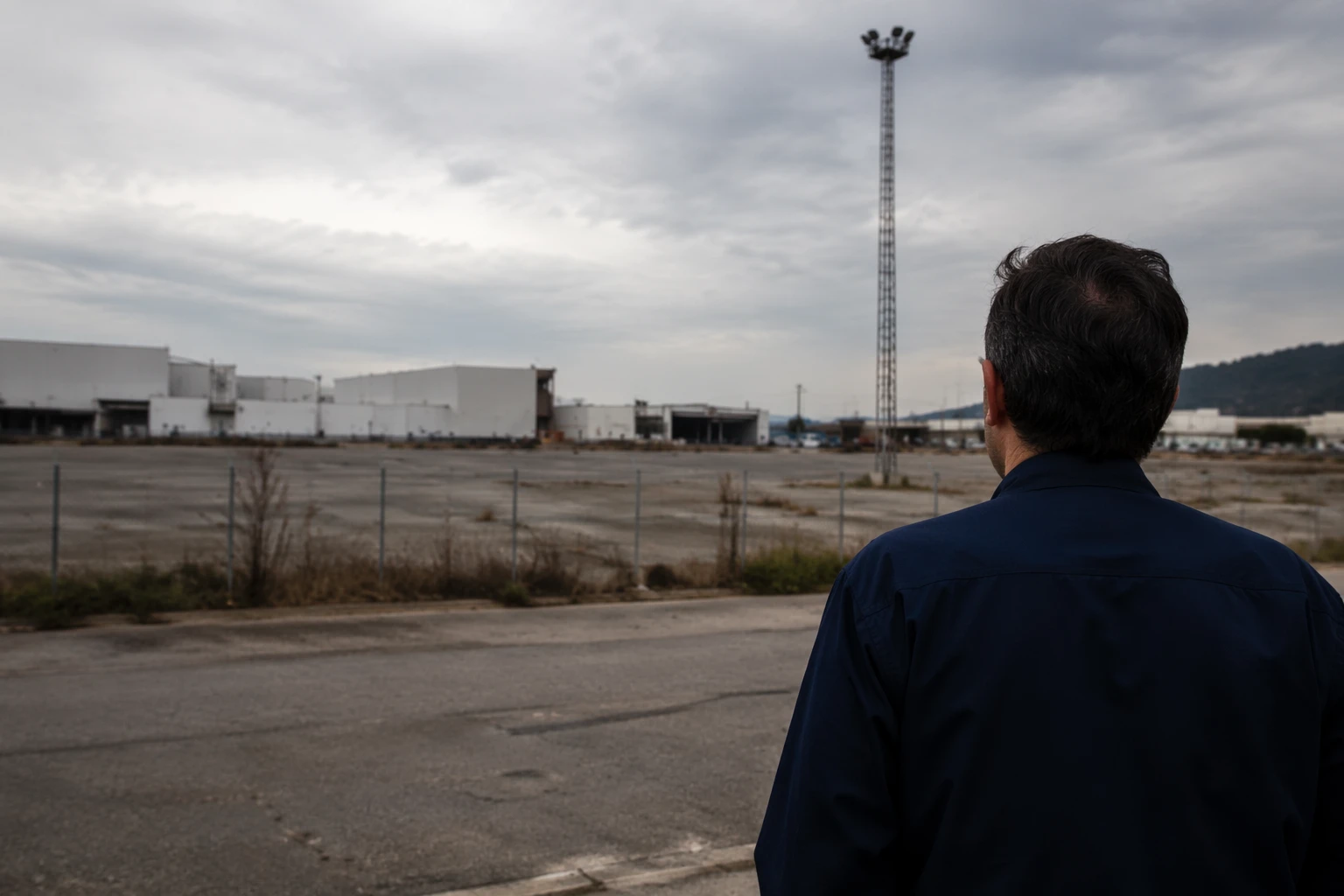
The urgency is clear. The European Union’s definitive countervailing duties on battery-electric vehicles imported from China took effect on 30 October 2024 after the European Commission found that Chinese BEV supply chains had benefited from unfair subsidies that threatened EU producers. Building inside Europe is one way for BYD to blunt that tariff pressure, and a takeover would likely help it localize production sooner and reduce exposure to border costs that can erode margins on imported EVs.
The market backdrop also favors rapid expansion. ACEA said battery-electric cars accounted for 19.7% of EU new-car registrations in the first four months of 2026, while hybrid-electric cars held 38.2% of the market. In that same period, BYD registered 101,221 vehicles across Europe, up 143.9% from a year earlier, underscoring how quickly the company is moving from outsider to serious competitor. For Spain, the prize is new manufacturing activity and a chance to recycle industrial capacity; the risk is a backlash from workers, policymakers and domestic carmakers who may see another Chinese foothold as progress for investment but drift toward deeper strategic dependence.