World
Cairngorms wildfire ravages moorland and woodland as Scotland warms
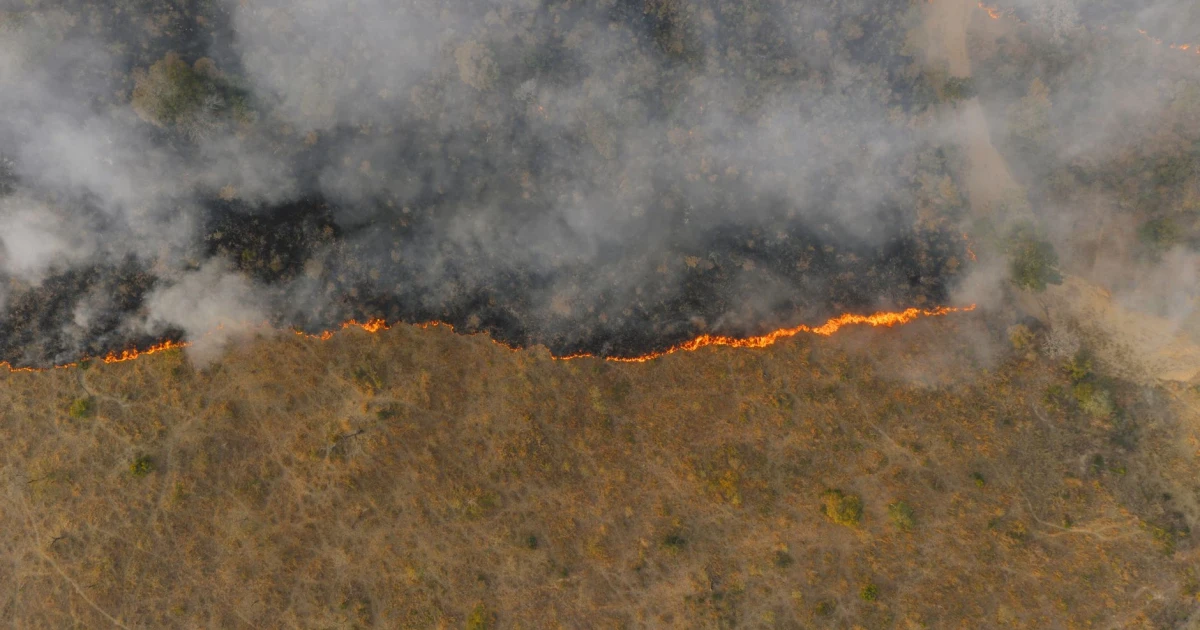
A wildfire in Cairngorms National Park burned through about 10 square miles of moorland and woodland, leaving what park bosses called an “apocalyptic” scene of devastation. The blaze burned for two weeks after starting near Ryvoan Bothy, south of Nethy Bridge, and turned one of Scotland’s most iconic protected landscapes into a fast-moving fire ground.
The first evacuations came on 15 July, when villagers, campsites and ski resorts were cleared as the fire spread across about 2 km of dry land. By the next day, Scotland’s justice secretary, Neil Gray, said the fire was “currently contained” thanks to “exceptional work of firefighters,” but the Scottish Fire and Rescue Service still had six appliances at the site and nearby homes remained evacuated. The shift from alarm to partial containment did not erase the wider hazard: the park was still living with the conditions that allowed the blaze to take hold in the first place.
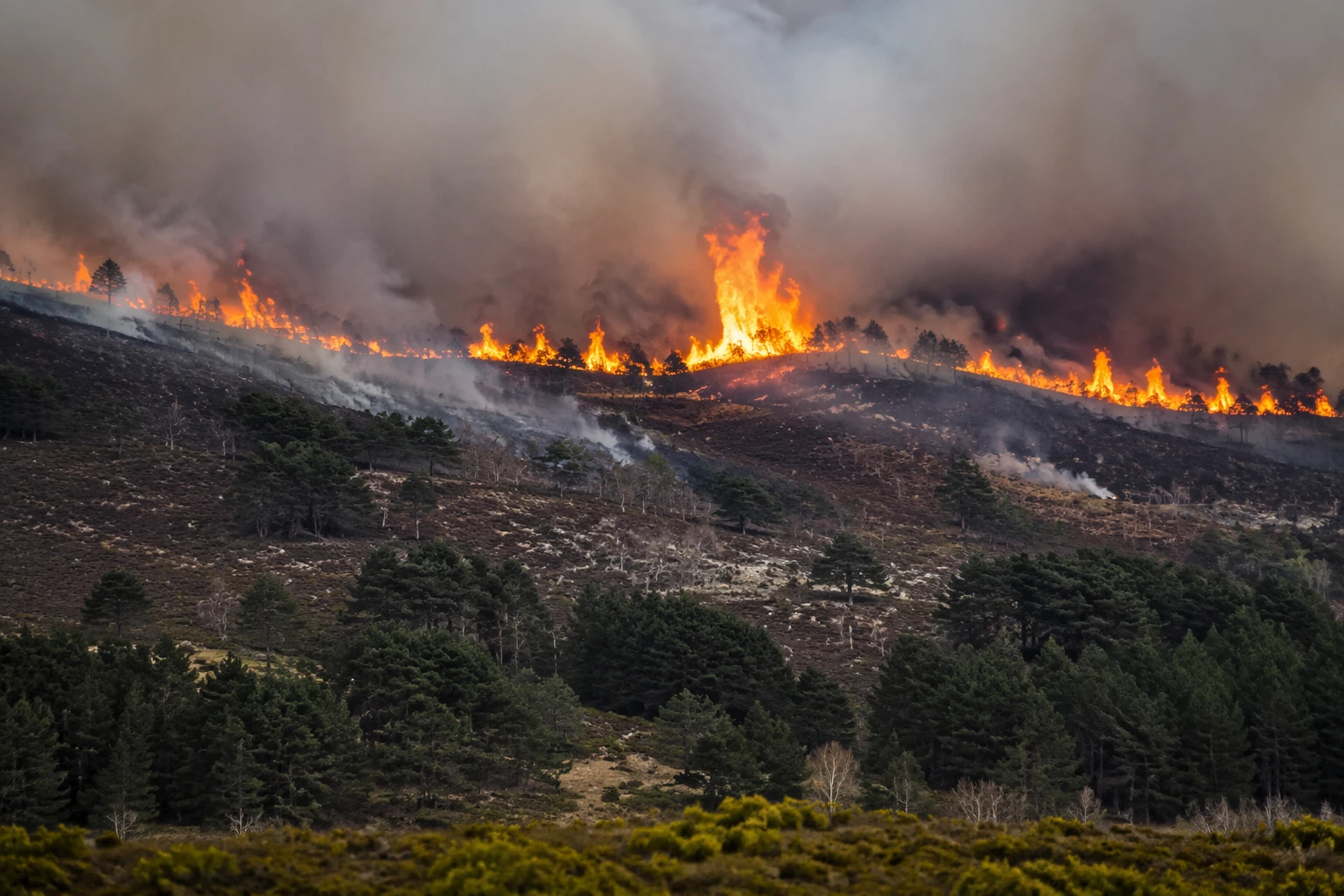
That danger flared again on 24 July, when smoke from the fire could be seen 59 miles away in Aberdeen after a change in wind direction pushed the flames back into view. RSPB Scotland said conditions were “serious” again at its Abernethy reserve, underscoring how quickly a Highland wildfire can move across open ground, woodland edges and protected habitats when weather turns.
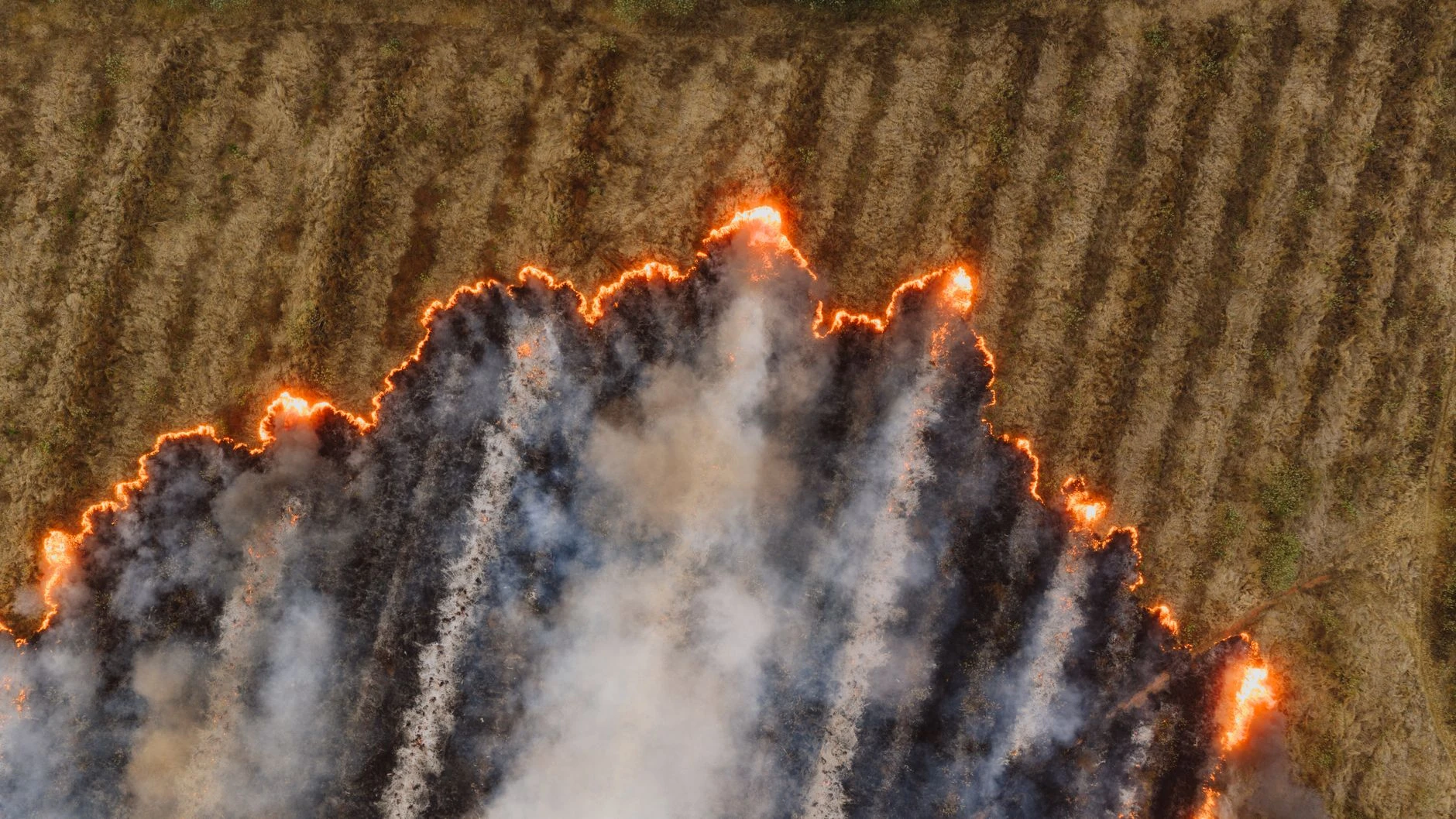
By 26 July, First Minister John Swinney said “welcome progress” had been made after a meeting of the Scottish government’s resilience response. The language of progress sat alongside an uneasy truth for the Cairngorms: the park authority is now managing wildfire as a standing threat, not a rare emergency. It has introduced new rules banning fires and barbecues across the park, and its Integrated Wildfire Management Plan, dated August 2025, set out formal guidance as fire risk grew.
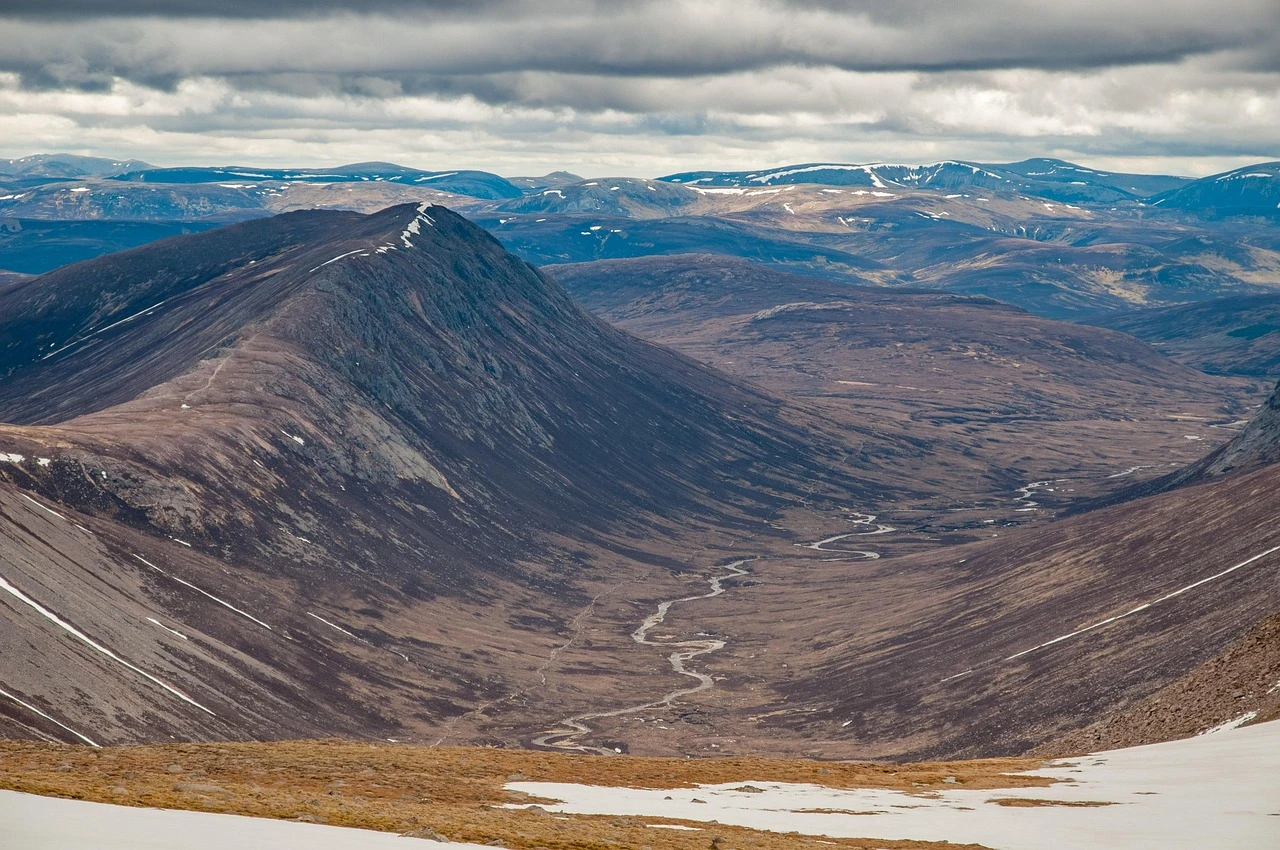
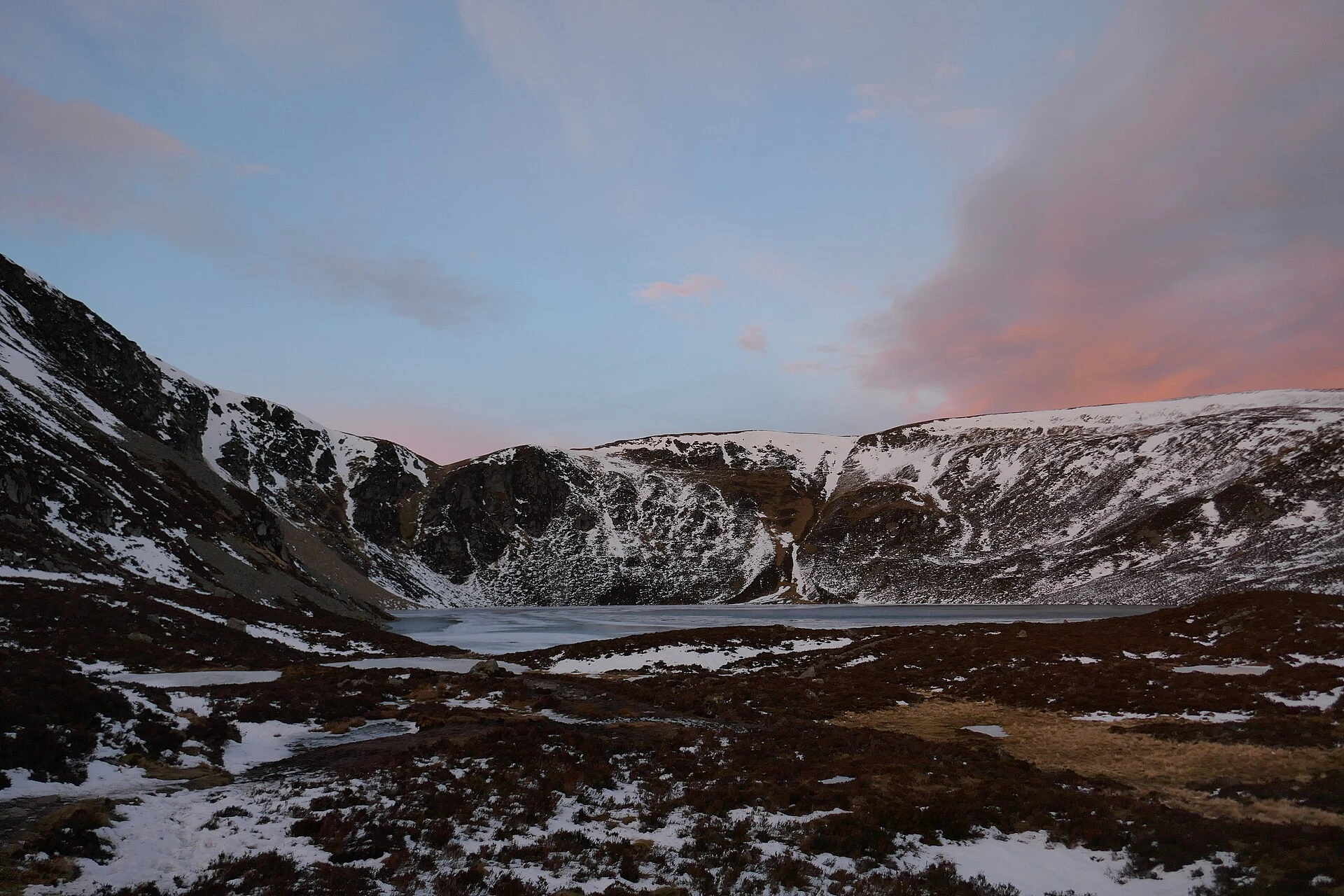
The Cairngorms fire now stands as a warning for other protected areas across Scotland and beyond. A landscape once assumed to be too wet, too cold or too exposed to burn has shown that climate change is redrawing the map of risk, and that adaptation now has to include bans, planning, rapid evacuation protocols and year-round readiness for fire in places built around the expectation of safety.
Sources
- [1]nytimes.com
- [2]bbc.co.uk
- [3]bbc.com
- [4]cairngorms.co.uk