Business
Cal-Maine and egg suppliers near settlement in price-fixing probe
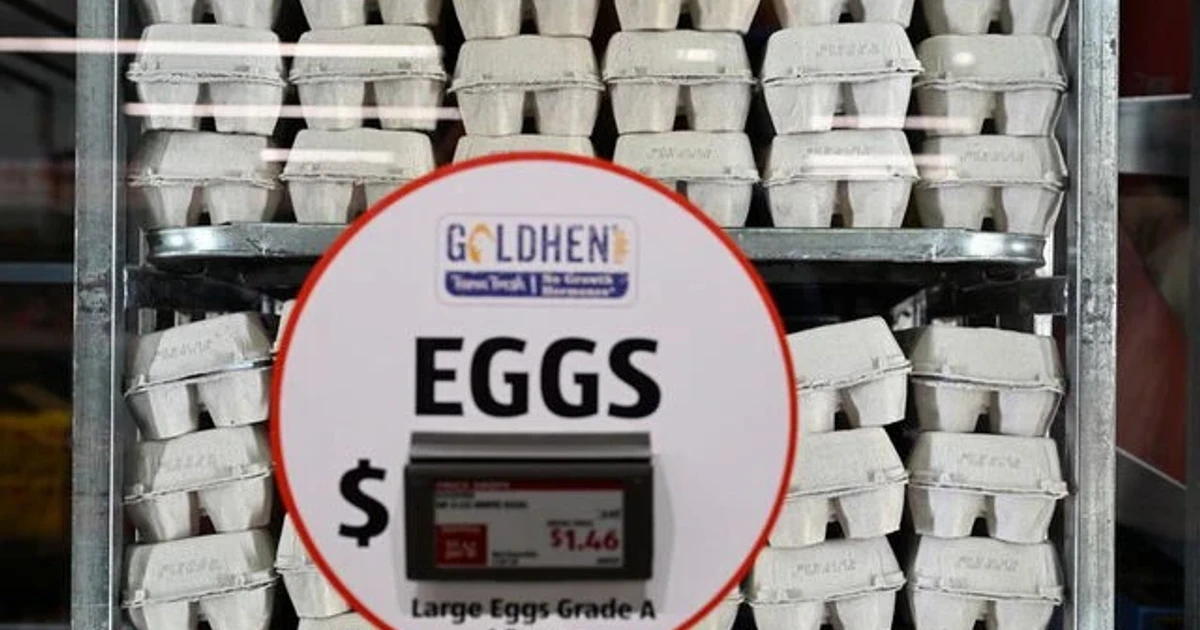
Cal-Maine Foods and other egg suppliers are close to resolving a Justice Department and state investigation into alleged price coordination, a deal that could bring several million dollars in civil penalties and a donation of more than 50 million eggs. The companies, including Versova and Hickman's Egg Ranch, would also agree to stop exchanging prices and other competitively sensitive information, an arrangement that goes to the heart of whether grocery shoppers paid more because of a supply shock, illegal coordination, or both.
For consumers, the settlement would not erase the basic history of the egg market's price surge. U.S. egg prices hit an all-time national average retail high of $6.23 per dozen in March 2025, after bird flu outbreaks wiped out millions of laying hens and tightened supply. The USDA said strong demand and tight supplies pushed wholesale and retail egg prices to record levels by early 2025, and the department later unveiled a $1 billion avian flu strategy on Feb. 26, 2025 to curb highly pathogenic avian influenza, protect poultry producers and lower egg prices.
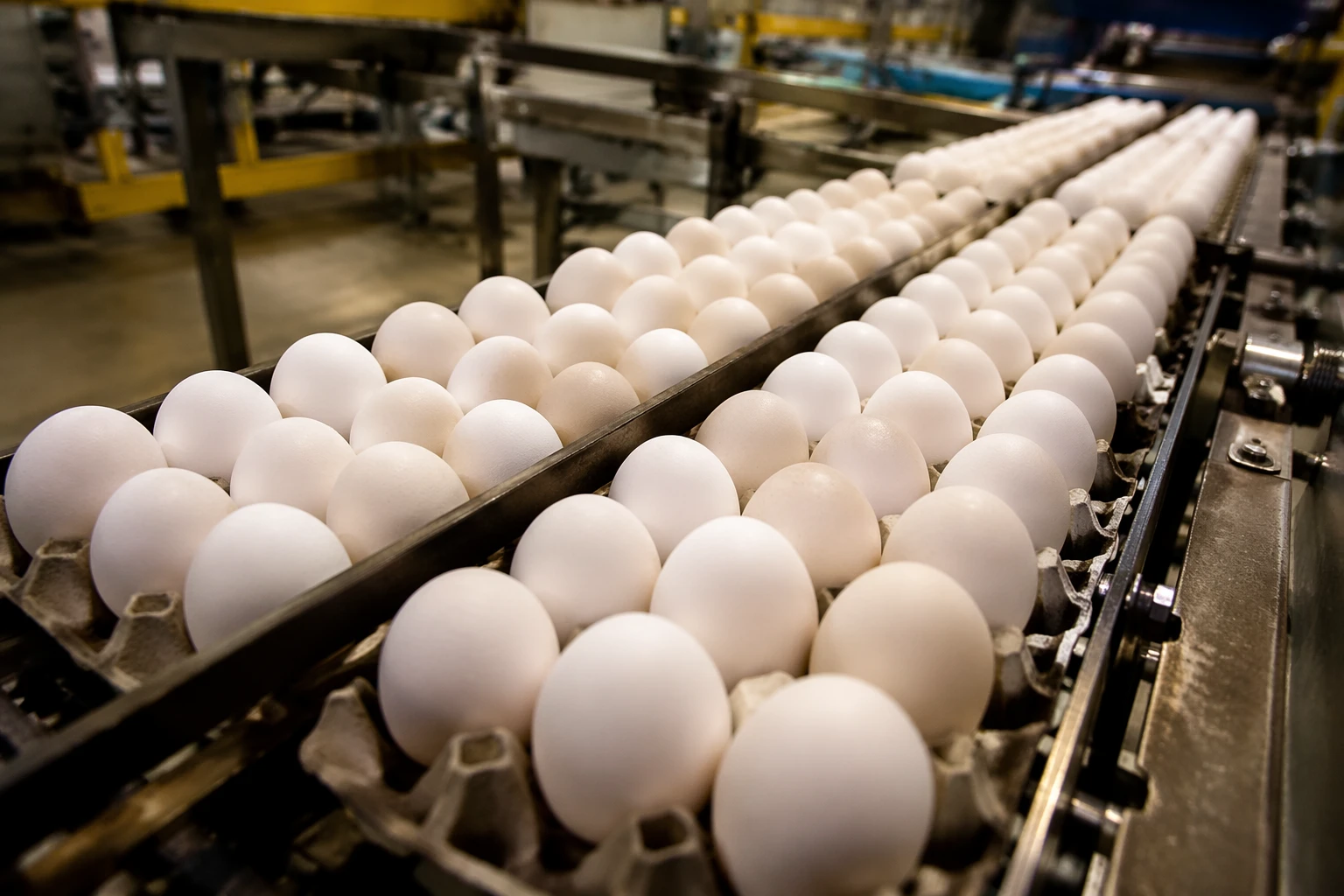
That distinction matters because the antitrust inquiry sits on top of a real production crisis. Cal-Maine, the largest producer and distributor of fresh shell eggs in the United States, said in its fourth-quarter fiscal 2025 results that average layer hens were up 18% from a year earlier as it expanded production capacity. Even with more hens coming back into the system, prices had already surged, showing how quickly retail costs can remain elevated after an animal-health shock has begun to ease.
At the same time, regulators have been looking at whether industry pricing practices made a bad market worse. In April, a lawsuit alleged that producers coordinated through a price-benchmarking service, and egg makers have faced a wave of class-action claims over price-fixing. The benchmarking infrastructure itself is long established: Urner Barry, now part of Expana, dates to 1858 and built its business on market news and benchmark pricing for food commodities. That history has made the service a natural focus for investigators trying to determine whether a shared pricing system became a channel for coordination rather than just information.
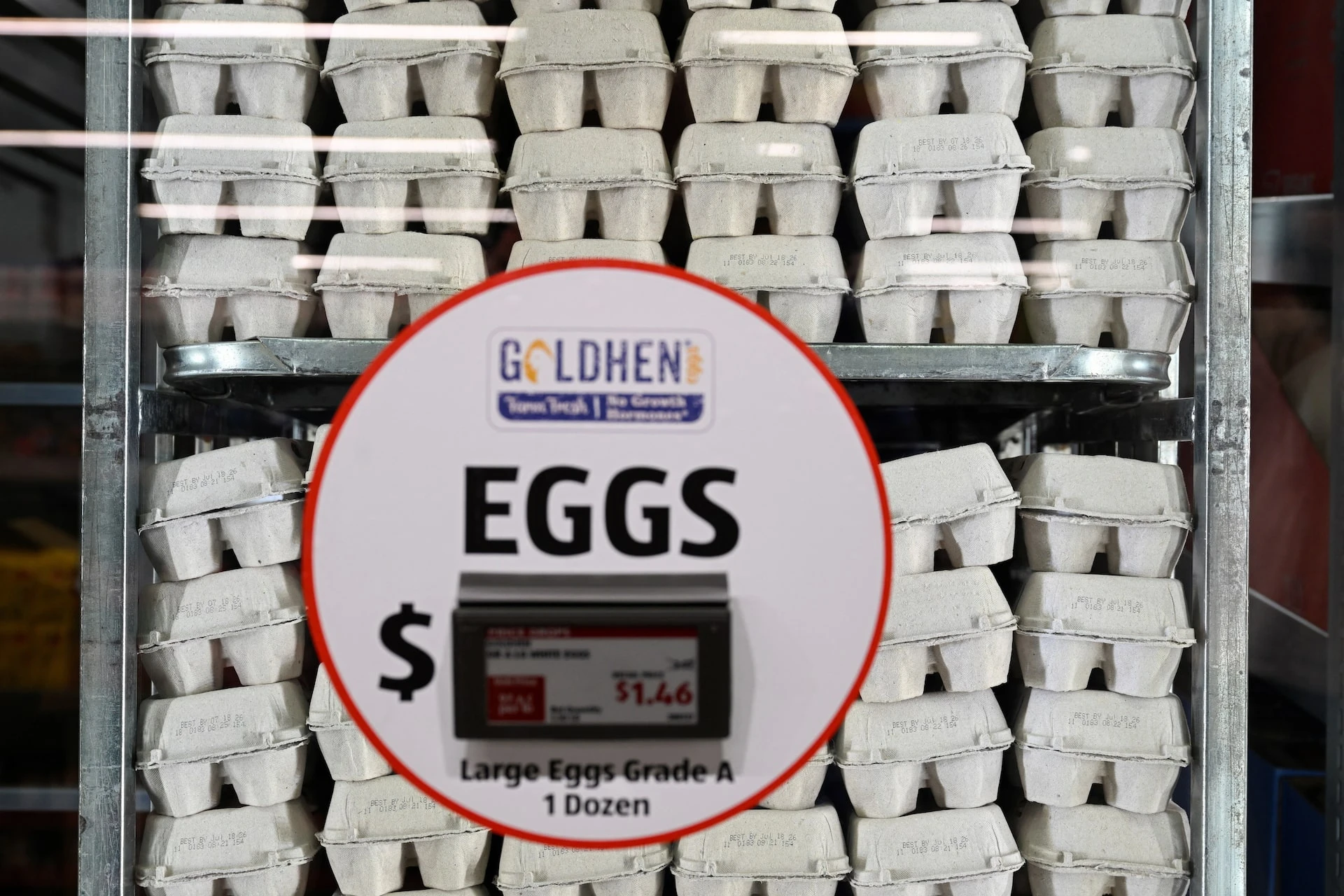
A settlement would likely answer one narrow question, whether regulators believe they have enough evidence to close a case without a courtroom fight. It would not fully answer the consumer question that still lingers in grocery aisles: how much of the spike came from avian flu shortages, and how much came from conduct prosecutors suspect was illegal. If the deal is finalized, shoppers may get a public penalty and a large egg donation, but they will not get lower prices by decree. Those depend on flock recovery, supply rebuilding and whether the market stays free of the coordination regulators now say they were investigating.
Sources
- [1]usnews.com
- [2]congress.gov
- [3]ers.usda.gov
- [4]usda.gov
- [5]investors.calmainefoods.com
- [6]expanamarkets.com
- [7]thepoultrysite.com
- [8]marketscreener.com