Health
Calgary trial tests niacin to help fight deadly brain cancer
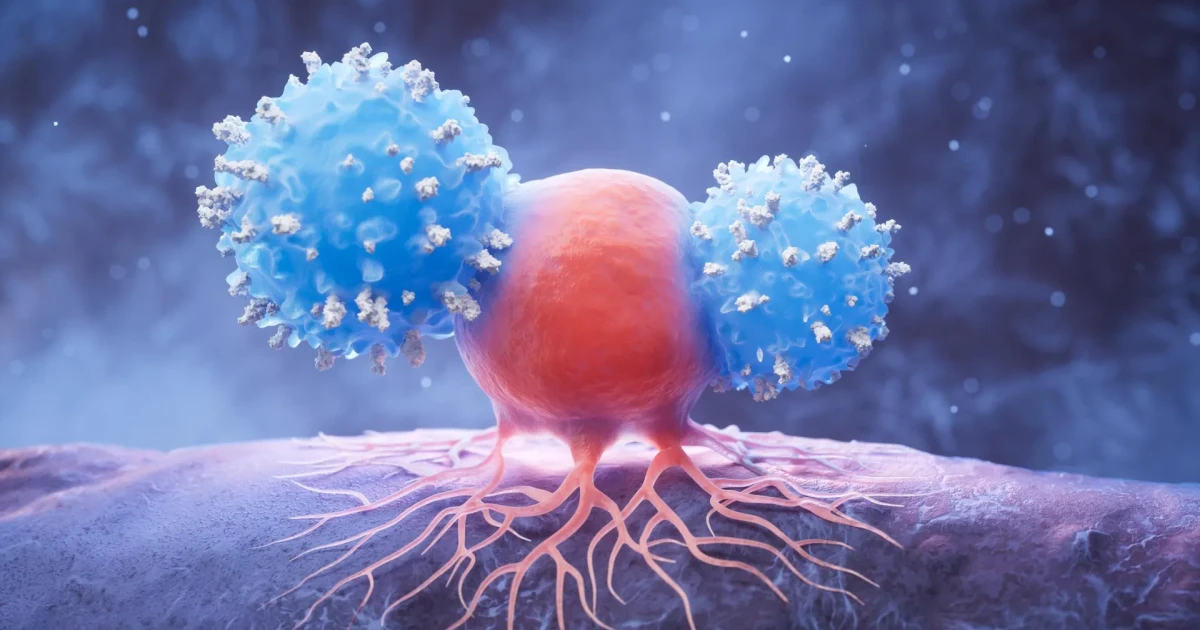
The promise is simple, but the evidence still has a long way to go. At the University of Calgary, researchers are testing whether niacin, a common form of vitamin B3, can help adults with glioblastoma by reawakening immune cells that tumors have suppressed and making standard treatment work better.
The study has drawn attention because glioblastoma remains one of the deadliest brain cancers and survival has not changed significantly for about 20 years. Edward Waldner’s case shows how fast it can take hold: at 55, he began feeling exhausted, wondered whether sleep apnea was to blame, then noticed his walking had changed before doctors found a brain mass in the emergency department. He joined the study, he said, to help himself and others, and the research team said that kind of involvement matters in experimental medicine.
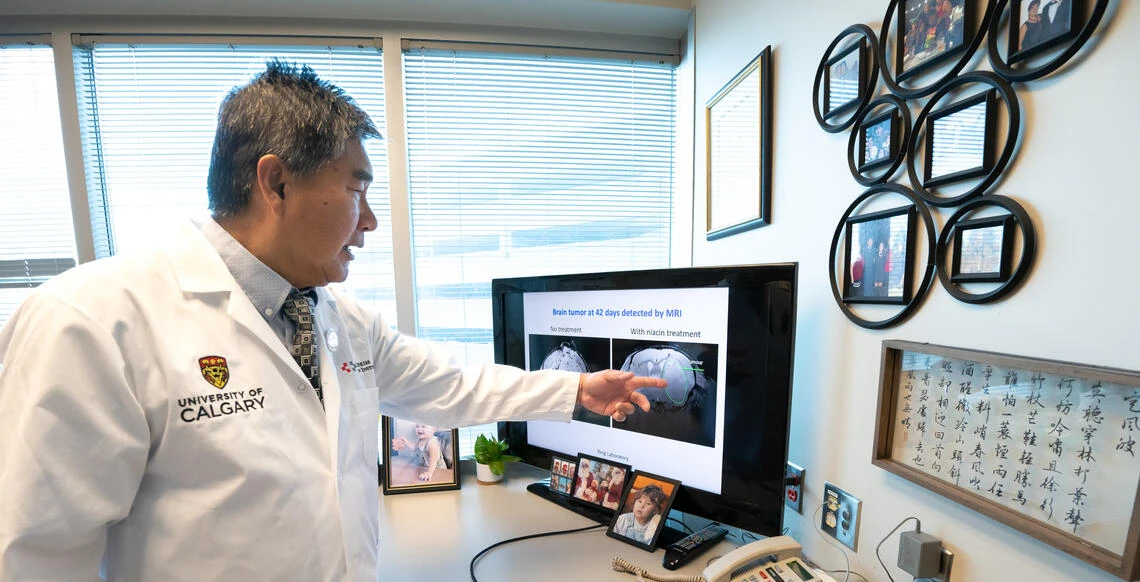
This is not a substitute for established therapy. The trial uses niacin as an add-on to the usual first-line approach of surgery, concurrent radiotherapy and temozolomide, then monthly temozolomide, the regimen known as the Stupp protocol. Investigators began with mouse experiments, where niacin extended survival, before moving into a single-institution Phase I-II trial registered as NCT04677049. Recruitment began on March 18, 2021; a ClinicalTrials.gov update dated Jan. 2, 2026 listed enrollment as suspended while researchers reviewed whether enough patients were evaluable.

The trial was designed around a demanding benchmark. Researchers said they would stop if six-month progression-free survival did not improve by at least 20 percent over older studies, which used a historical reference point of 53.9 percent. Interim results reported six-month progression-free survival of 82 percent in the niacin-treated group, a finding the team described as a 28 percent improvement. Even so, the study remains early, and glioblastoma continues to overwhelm many patients despite aggressive care.
The biology behind the trial is what makes niacin intriguing. In the published phase I dose-escalation study, niacin increased circulating memory T cells and natural killer cells, while decreasing nonclassical monocytes. The paper also reported higher IL-12p70 and granulocyte colony-stimulating factor, along with lower growth-regulated alpha protein, all signs that the immune environment may have shifted toward anti-tumor activity. The protocol aims to find the maximum tolerated dose through dose escalation every four weeks, and investigators noted that flushing is a common side effect.
Researchers also cautioned that high-dose vitamins can be toxic and should be used only under close medical supervision. For now, niacin is a clinical hypothesis with encouraging signals, not a proven therapy, but it points to a broader shift in oncology: familiar compounds may still have a role if they can help the immune system fight back.