Business
California auto sales could halt over domestic violence tech mandate

Gov. Gavin Newsom signed SB 1394 in September 2024 to curb tech-enabled abuse involving connected vehicles. California new and used car sales could be suspended as soon as July 1 unless lawmakers slow a connected-vehicle mandate tied to domestic-violence protections. The Alliance for Automotive Innovation says the state’s timetable for the rule is not feasible this year, putting dealers, manufacturers and buyers in the nation’s largest auto market on a collision course with Sacramento.
SB 1394 requires a manufacturer or connected-vehicle service provider to end remote access within two business days after a qualifying request, and it also requires drivers to be able to disable location access and receive notice inside the vehicle. A portion of the law took effect on July 1, 2025, and the provision now at issue is set to take effect on July 1, 2026.
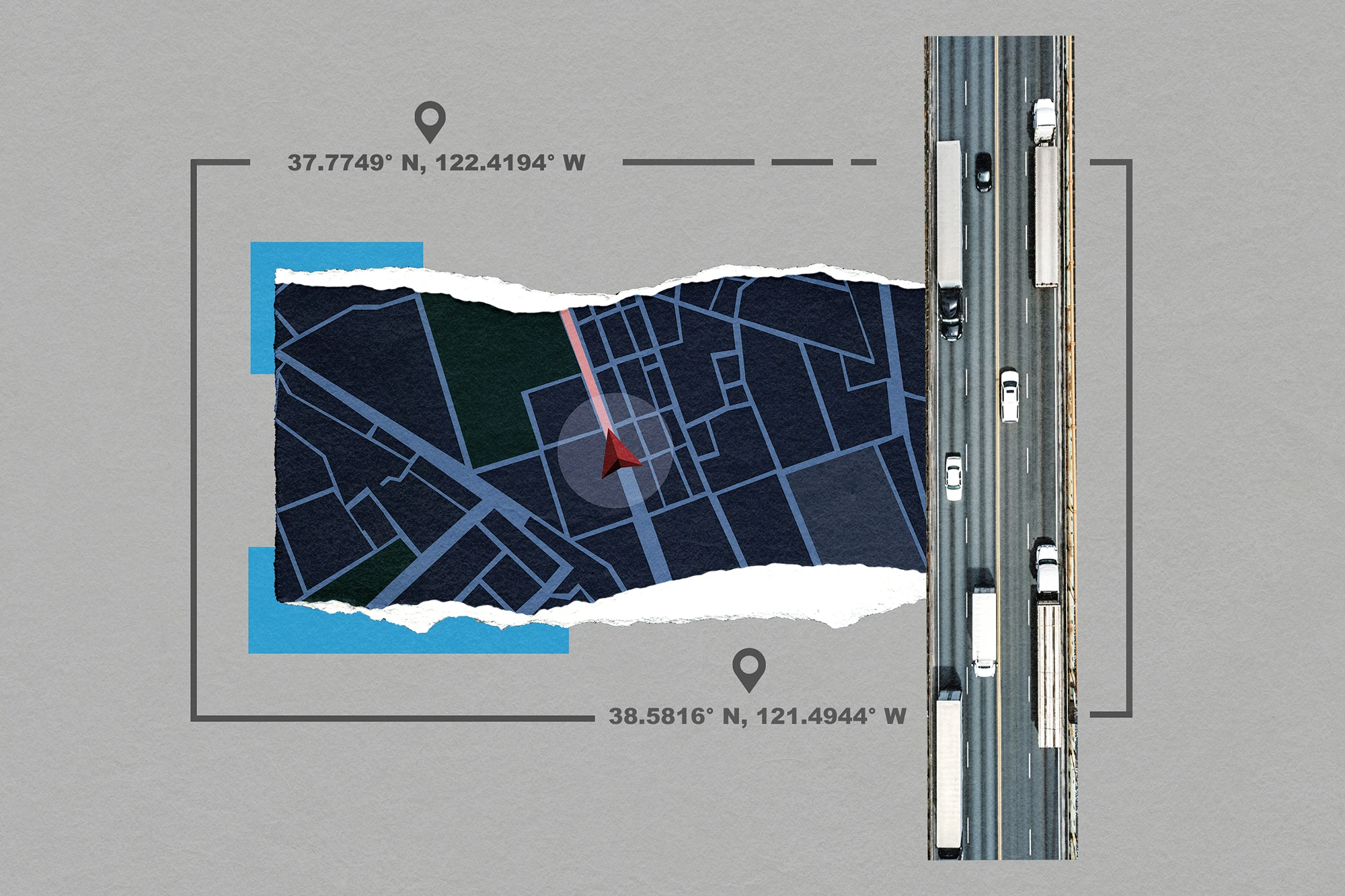
The technology covered by the measure includes smartphone-app access to real-time location data, trip history, remote lock and unlock, ignition control, climate controls, horn and lights. The bill was co-sponsored by the University of California, Irvine School of Law Domestic Violence Clinic and Ending Tech-Enabled Abuse, and supported by groups including Streets for All. No timely opposition was received when the bill moved through committee.
Automakers are not challenging the goal of limiting abusers’ ability to track survivors. The Alliance says the software and systems changes needed to meet the statute cannot be finished on the current schedule. SB 719 would keep the protections in place while replacing the current deadlines with a more workable implementation schedule.
Consumer advocates oppose a delay, arguing that it would keep survivors waiting for protections already written into law. During the legislative process, lawmakers compared the California law to the federal Safe Connections Act of 2022, which required mobile providers to separate survivors from shared phone lines within two business days.