Politics
California bans sell by dates, standardizes food labels statewide
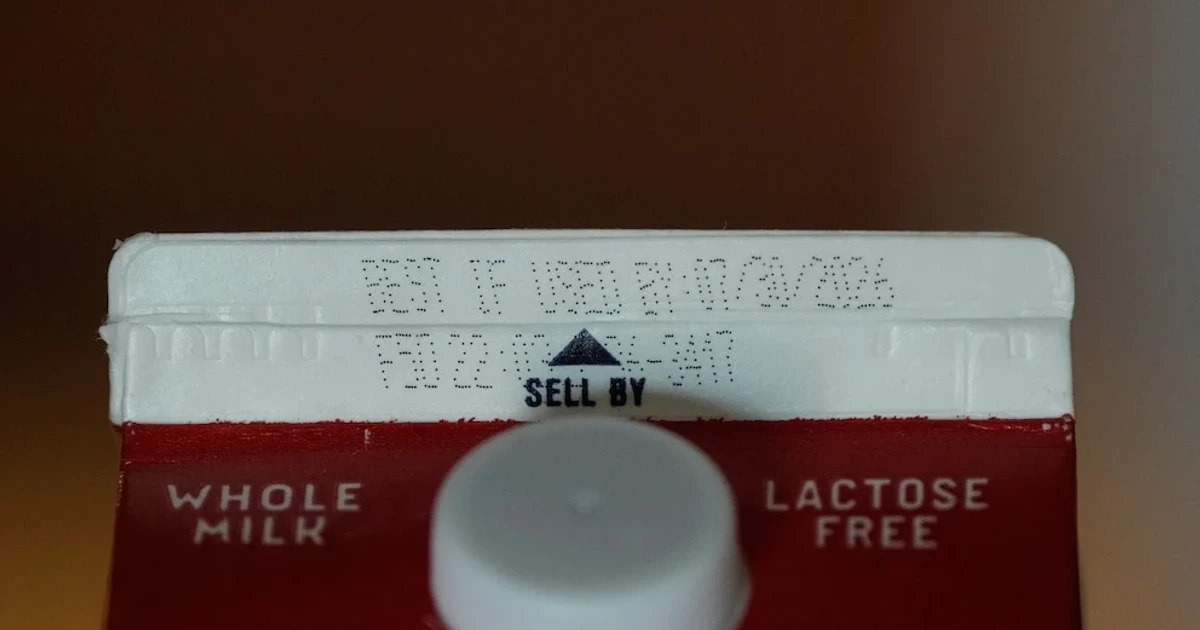
California’s ban on consumer-facing “sell by” dates took effect, forcing packaged-food labels sold in the state to use only two standardized terms: “Best if Used By” for quality and “Use By” for safety. The change is designed to make shoppers less likely to toss food that is still safe, a costly habit that has long been fed by inconsistent date labels.
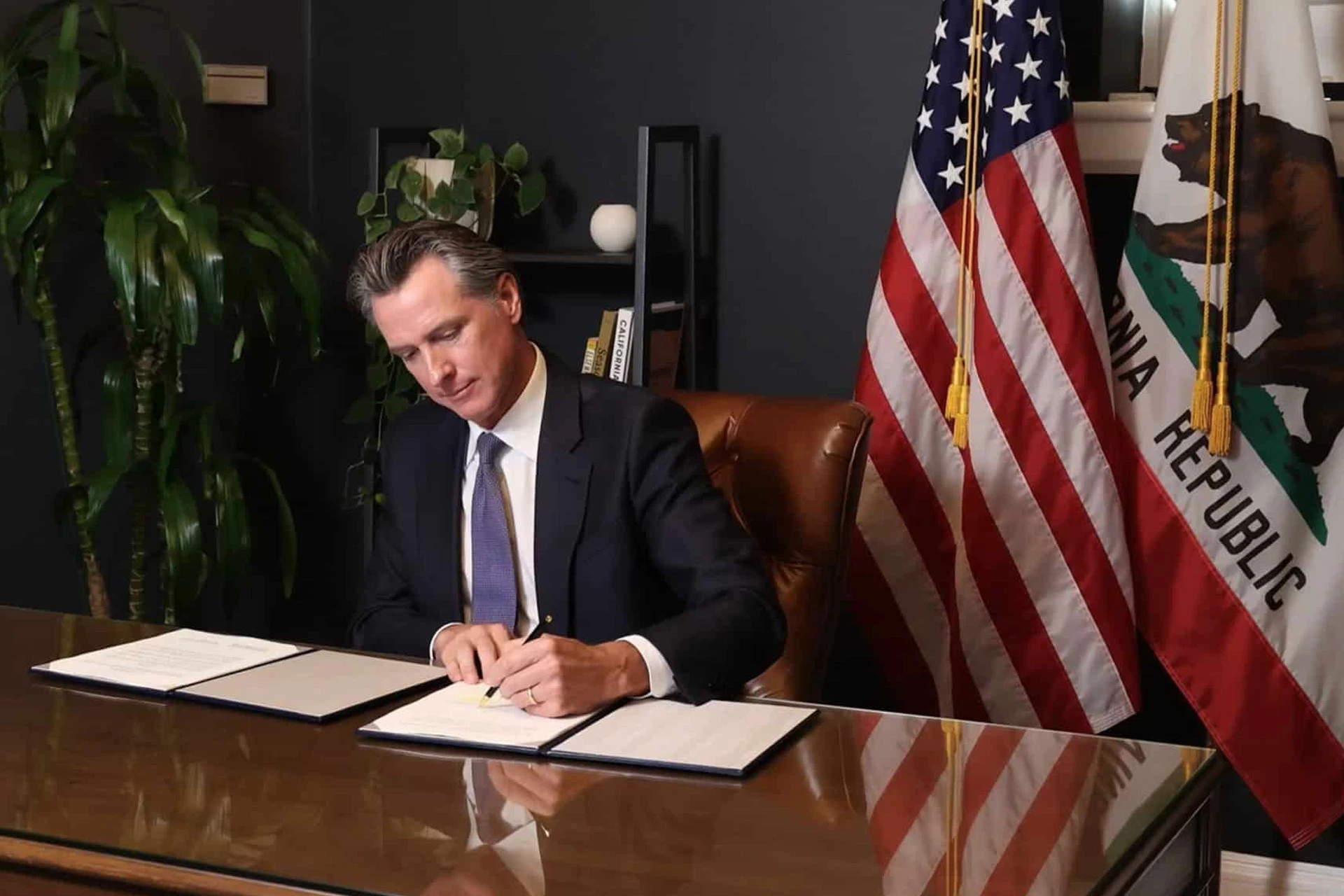
Assembly Bill 660, signed by Gov. Gavin Newsom on September 28, 2024, made California the first state in the nation to require this kind of food date-labeling reform. The law applies to food manufacturers, processors, distributors and retailers that use date labels on packaged food sold in California and covers products manufactured on or after July 1, 2026. Consumer-facing “sell by” dates are now barred, though coded “sell by” dates that are not easily readable by consumers can still be used for stock rotation. Grocery stores may also keep using “packed on” labels for prepared foods if they also include a compliant quality or safety date.
The policy grew out of a problem California has spent years documenting. The California Department of Food and Agriculture says more than 50 differently phrased date labels have been used in the United States, a system that leaves many households guessing about when food is actually unsafe. CalRecycle has said 2.5 billion meals’ worth of unspoiled food is thrown away in California each year, and organic waste makes up 48% of what Californians send to landfills. Federal agencies have made the same case at a national scale: the FDA estimates food waste at 30% to 40% of the food supply, and USDA and FDA said in December 2024 that confusion over date labels accounts for about 20% of food waste in the home.

California had already tried a softer approach. AB 954, passed in 2017, directed the state to publish guidance encouraging voluntary use of uniform quality and safety date terms. AB 660 turned that voluntary model into a mandatory standard, with support from Assemblymember Jacqui Irwin, coauthors including Sen. Ben Allen and Sen. Lola Smallwood-Cuevas, and co-sponsor Californians Against Waste.
Food policy groups and researchers have argued for years that standardization can change consumer behavior. ReFED policy director Kumar Chandran has said shoppers often assume any date on a package means the food should be thrown away, a misunderstanding that drives waste near the kitchen trash can. The Harvard Law School Food Law and Policy Clinic, Johns Hopkins Bloomberg School of Public Health and ReFED have all tracked growing confusion, and a 2025 national survey found consumers said they were discarding food near or past the date label more often than they did in 2016.
California officials have said the Department of Food and Agriculture may use nonstate funds to educate consumers about the new labels. The FDA and USDA also sought public input in December 2024 on food date labeling, signaling that California’s model could push a broader national shift as manufacturers and retailers adjust to a single, clearer standard.
Sources
- [1]abcnews.com
- [2]cdfa.ca.gov
- [3]legiscan.com
- [4]california.public.law
- [5]fda.gov
- [6]usda.gov
- [7]chlpi.org
- [8]irwin.asmdc.org