Politics
California Democrats back billionaires tax, exposing deep party divisions
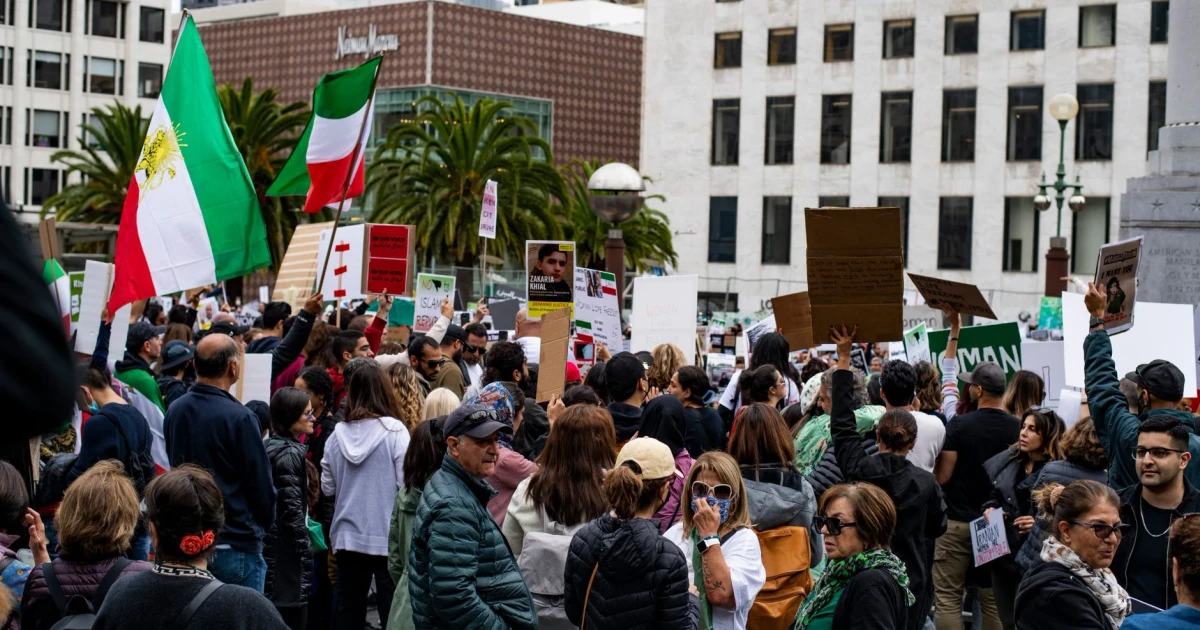
California Democrats endorsed Proposition 40, a November ballot measure that would impose a one-time 5% tax on the net worth of state residents whose wealth exceeds $1 billion as of Jan. 1, 2026. The party’s executive board approved the measure by a narrow margin, underscoring how little consensus exists even as Democratic leaders nationally grapple with widening inequality.
The measure is aimed at roughly 200 Californians and supporters say it could raise tens of billions of dollars in temporary revenue for healthcare, education and food assistance. The California Budget & Policy Center said in July 2026 that the proposal would bring in that scale of short-term money at a moment when backers say California is facing reduced federal funding and rising costs.

Gov. Gavin Newsom opposed the tax, putting him on the other side of his party’s endorsement and sharpening the clash between progressive Democrats and the party’s establishment wing. Labor is split as well, with some unions supporting the effort and others opposing it, turning the fight into a test of whether California Democrats can translate anti-inequality rhetoric into a workable fiscal plan.
Supporters have cast Proposition 40 as an emergency measure to protect California’s healthcare system and blunt the state’s cost-of-living squeeze. Opponents warn that the tax could weaken long-term state revenue, invite legal and constitutional challenges and inject uncertainty for wealthy residents and family offices that would have to plan around a tax on assets rather than annual income.
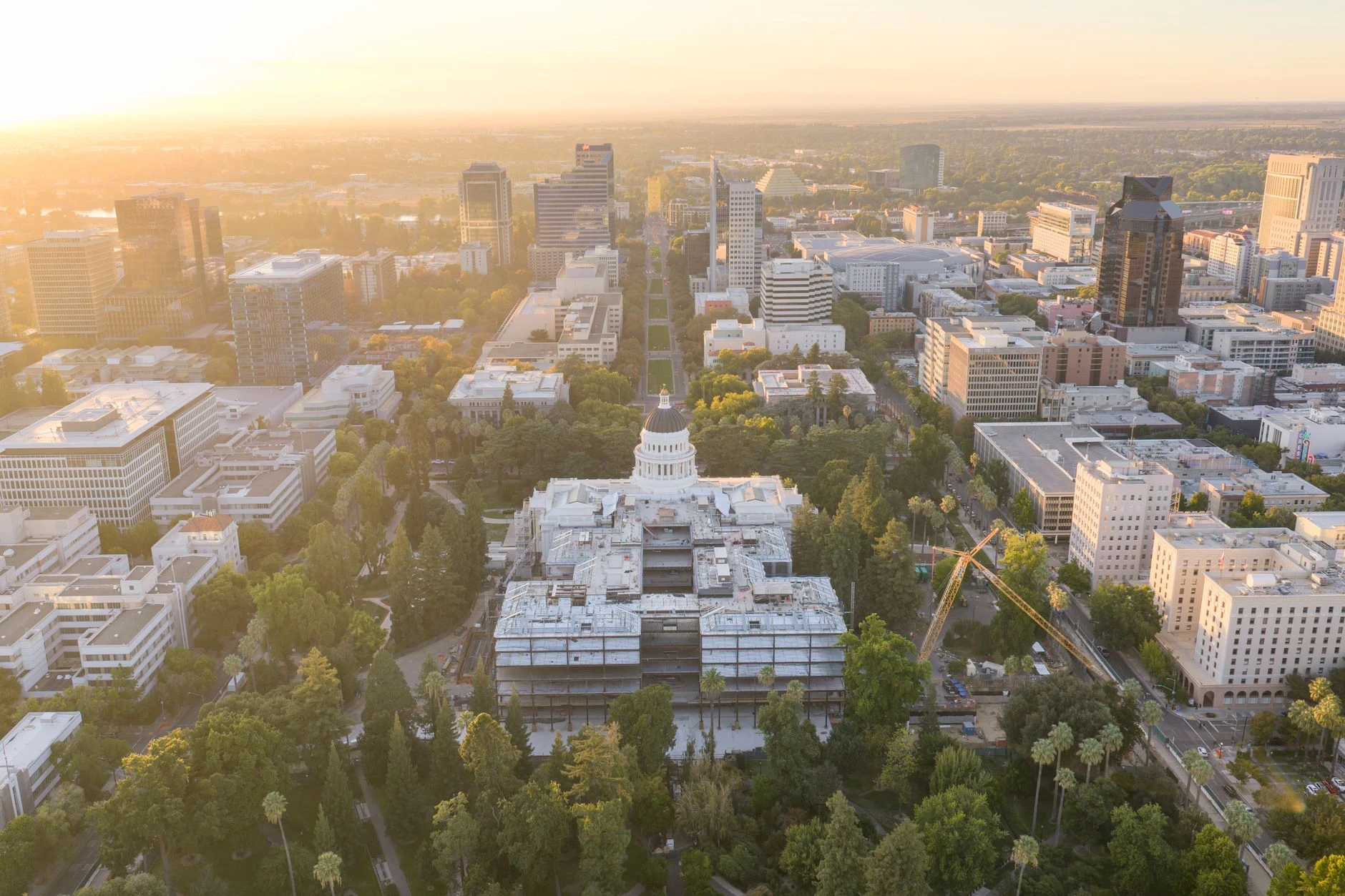
The policy debate has also drawn outside scrutiny. A research report by Brian Galle, David Gamage, Emmanuel Saez and Darien Shanske examined the measure’s revenue, economic and constitutional implications, while private-firm analyses from PwC, Nuveen, ArentFox Schiff and Baker Botts raised procedural, planning and legal risks. Proposition 40 is identified as the November 3, 2026 California ballot question, and its fight now serves as a live stress test for whether Democratic economic populism can move from slogan to governing model without collapsing under the details.
Sources
- [1]nytimes.com
- [2]washingtonexaminer.com
- [3]wsj.com
- [4]sfchronicle.com
- [5]thehill.com
- [6]politico.com
- [7]calmatters.org
- [8]calbudgetcenter.org
- [9]lao.ca.gov
- [10]eml.berkeley.edu
- [11]itep.org
- [12]seiu-uhw.org