Business
California Gas Prices Climb as Iran Conflict Intensifies
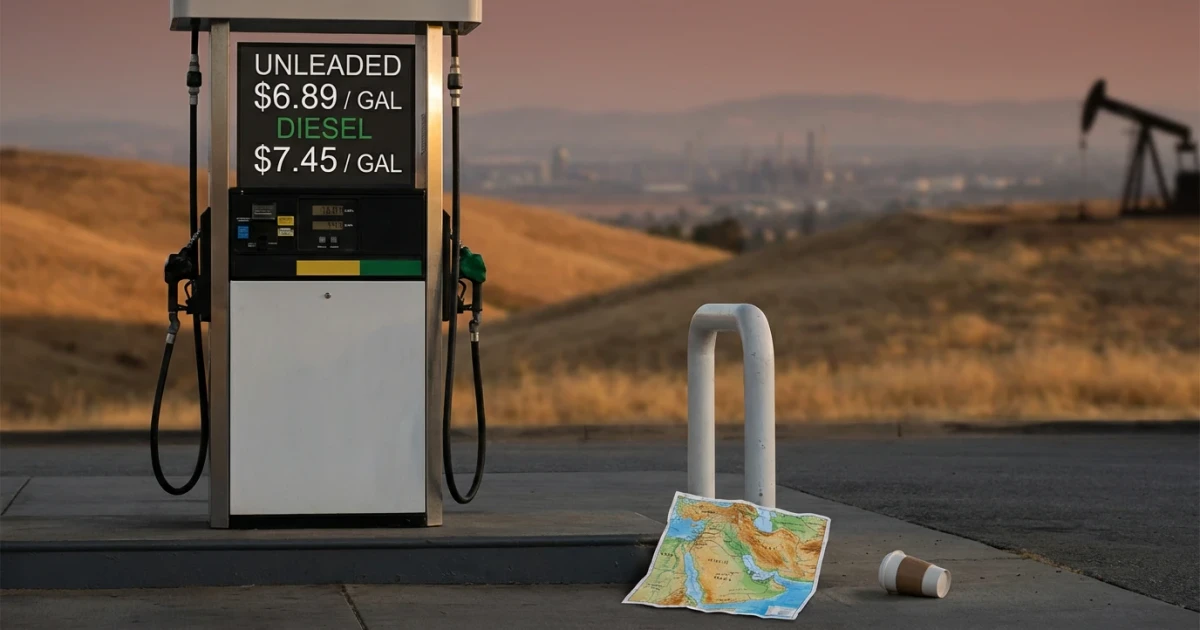
California drivers are grappling with the highest gasoline prices in the United States as the conflict in Iran continues to disrupt global oil markets, prompting concerns over the future trajectory of American energy costs.
California Stands Out for High Gasoline Prices
According to weekly price data from the U.S. Energy Information Administration (EIA), California's average price for regular gasoline remains well above the national average. While American consumers nationwide have felt the sting of rising energy costs, the burden has been particularly acute on the West Coast, where a combination of taxes, environmental regulations, and limited refining capacity push prices higher.
- California's average regular gasoline price is consistently over $5 per gallon, compared with a national average closer to $3.50.
- The state’s unique gasoline blend, required for environmental reasons, further restricts supply and adds to cost pressures.
Impact of the War in Iran
The ongoing conflict in Iran has sent shockwaves through global energy markets. Iran remains a significant oil producer, and instability in the region often leads to price volatility worldwide. The Guardian reports that as the conflict persists, American drivers are seeing direct consequences at the pump.
The geopolitical uncertainty has led to a spike in crude oil prices, which is a major component of gasoline costs. Previous research by the Congressional Budget Office has shown that oil price shocks can quickly filter through to consumer fuel prices, affecting inflation and broader economic growth.
No Evidence of Price Gouging in California
Despite consumer frustration, there is no conclusive evidence of widespread price gouging by gasoline retailers in California. As highlighted by The Guardian and further analyzed by the Public Policy Institute of California, the state’s high prices are primarily the result of structural factors:
- Higher state and local gasoline taxes
- Stringent environmental regulations requiring a unique fuel blend
- Limited supply due to few refineries and restricted imports
These factors mean that even when global oil prices surge, California’s market amplifies the impact on local consumers.
Broader Inflationary Pressures
Rising gasoline costs are a key driver of overall inflation in the U.S. The energy component of the Consumer Price Index (CPI) has shown marked increases in recent months. Official Bureau of Labor Statistics data confirm that energy prices are contributing to higher living costs for most U.S. households, squeezing disposable incomes and raising concerns for economic policymakers.
Looking Ahead: Uncertainty Remains
As the war in Iran continues with no clear resolution in sight, experts caution that further volatility is likely. The EIA's Short-Term Energy Outlook highlights the risk of additional supply disruptions and the potential for further price spikes, particularly if the conflict escalates or spreads to neighboring oil producers.
For Californians, the combination of global instability and state-specific factors means that relief at the pump may be slow to arrive. As one Guardian source put it, “the good old days are gone”—at least for now—when it comes to affordable gasoline.
Conclusion
While U.S. motorists nationwide feel the effects of higher gasoline costs, Californians face a double burden due to unique state factors layered atop global energy market turmoil. With the war in Iran showing few signs of abating, American consumers and policymakers alike must brace for continued price pressures and economic uncertainty in the months ahead.