Science
California Gets Front Row Seat to March Lunar Eclipse
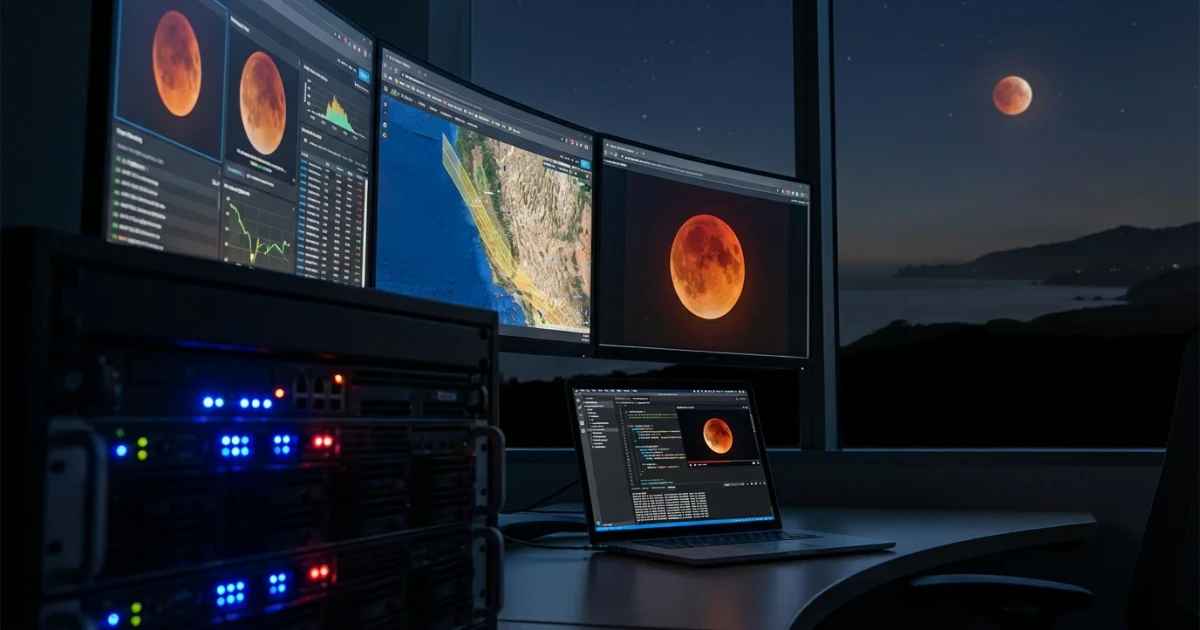
Californians are in for a celestial display as a total lunar eclipse—often called a "blood moon"—is set to occur on the night of March 25, 2024. This astronomical event, visible across much of the state, will offer a dramatic transformation as the full moon passes through Earth’s shadow and takes on a reddish hue.
What Is a Total Lunar Eclipse?
A total lunar eclipse happens when Earth positions itself directly between the sun and the moon. This alignment causes Earth’s shadow to fall on the moon, and during the total phase, the moon turns a coppery red due to sunlight filtering through Earth’s atmosphere—a phenomenon that gives rise to the term "blood moon." According to Caltech, this is a safe event to observe without special equipment, unlike solar eclipses.
When and Where to Watch in California
The total lunar eclipse will be visible throughout much of California, but the best viewing windows and visibility can vary by location. According to Time and Date’s eclipse tracker:
- Partial eclipse begins: Late evening on March 24
- Total eclipse phase: Peaks in the early hours of March 25
- Duration of totality: About 1 hour and 10 minutes
Major cities such as Los Angeles, San Francisco, and San Diego will see the moon high in the sky during the maximum eclipse, offering ideal conditions for skywatchers. However, as NBC 7 San Diego notes, some coastal regions could experience patchy cloud cover, so checking local forecasts is advised.
How to View the Eclipse
No special glasses or equipment are needed to safely enjoy a lunar eclipse. The National Weather Service recommends finding a location with a clear view of the sky, away from city lights, for the best experience. For those interested in the precise timing for their city, NASA’s official eclipse bulletin provides a detailed timetable, including when the penumbral, partial, and total phases occur for California locations.
What to Expect During the Blood Moon
During the peak of totality, the moon will appear deep red or coppery, a result of Earth’s atmosphere scattering shorter blue wavelengths and allowing redder light to reach the lunar surface. This spectacle can be photographed with standard cameras, but a tripod and telephoto lens will yield the best results.
Why This Eclipse Matters
Total lunar eclipses are not especially rare, but each one offers unique viewing circumstances. According to the NASA Eclipse Web Site, the March 25 event is the only total lunar eclipse visible in North America in 2024, making it a significant opportunity for stargazers and educators alike. Local astronomy clubs and science museums often host viewing parties, providing telescopes and expert commentary for the public.
Tips for a Great Viewing Experience
- Find a location with minimal light pollution.
- Arrive early to adjust to the darkness.
- Bring binoculars or a small telescope for a closer look.
- Dress warmly—March nights can be chilly in many parts of California.
- Check forecasts for clouds, especially along the coast.
Looking Ahead
For those unable to see the eclipse in person, several observatories and science organizations will offer live streams online. The next opportunity for a total lunar eclipse won’t come until 2025, according to NASA’s comprehensive lunar eclipse database, so skywatchers are encouraged to take advantage of this March event.
Whether you’re a seasoned astronomer or simply curious, the March 25 total lunar eclipse promises a memorable spectacle for California and beyond.