US News
California Governor Primary Reveals Shifting County Trends
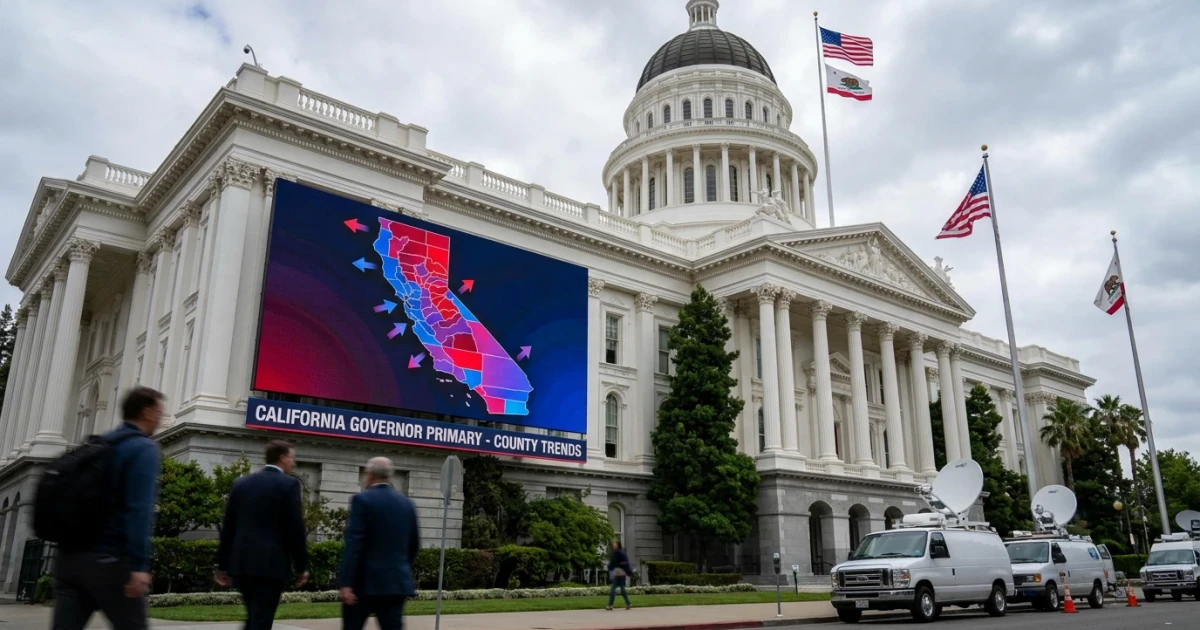
California's 2026 governor primary has produced updated vote counts that shed light on how every county cast its ballots, illustrating both familiar patterns and emerging shifts in the state's political landscape. As reported by SFGATE, the latest tallies underscore the complexities of California's electorate and highlight the importance of regional dynamics in statewide contests.
County-Level Results Show Diverse Preferences
California's vast geography and population diversity were reflected in the official county-by-county vote counts. Urban counties such as Los Angeles, San Francisco, and Alameda continued their trend of favoring Democratic candidates, as revealed in the updated results. Meanwhile, many rural and inland counties—including Kern, Tulare, and Shasta—leaned towards Republican contenders, maintaining historical partisan divides.
- Los Angeles County: The largest share of votes, with Democrats securing a strong lead.
- Orange County: A more competitive landscape, with recent years showing narrowing margins between parties.
- Central Valley counties: Consistently Republican, though SFGATE notes subtle shifts in turnout and vote shares.
Why California's Vote Counting Takes Time
SFGATE highlighted California's lengthy counting process, which is largely due to the state's expansive use of mail-in ballots and the need to verify provisional votes. In recent years, increased voter participation and more complex ballot verification protocols have contributed to extended timelines for finalizing results. The statewide election results archive shows that delays are not new, but the scale has grown with each cycle.
Impact of Mail-In Ballots
- Over 70% of ballots in the primary were submitted by mail, according to SFGATE.
- Ballot verification and postmark deadlines mean votes continue to be counted for days after Election Day.
- Counties differ in processing speed, with urban centers handling larger volumes.
Emerging Demographic and Political Shifts
The updated county results point to evolving trends. Urban areas remain reliably Democratic, but suburban counties like San Diego and Orange have shown movement towards the center, as seen in the live county vote maps. SFGATE observed that some rural counties saw increased turnout among younger and Latino voters, potentially signaling gradual shifts in local politics.
- San Diego County: Higher turnout among younger voters, narrowing partisan gap.
- Fresno County: Latino voters played a more prominent role, according to SFGATE's analysis.
- Bay Area counties: Remain strongly Democratic, but voter engagement was especially high.
Looking Ahead to the General Election
As California moves toward the general election, the primary's results provide insight into broader statewide trends. The county-level data, accessible via the interactive Tableau dashboard, will be critical for campaigns strategizing for November. SFGATE notes that while partisan divides persist, nuanced shifts in turnout and voter demographics are likely to influence future outcomes.
With the state's counting process still underway in some areas, observers are watching for late shifts in tight races. The primary has once again underscored California's role as a bellwether for national trends, where local changes can have outsized impacts on statewide and national politics.
For more detailed county-by-county breakdowns and historical comparisons, readers can explore the PPIC report on California’s changing electorate.
Conclusion: The 2026 governor primary results reaffirm California’s diversity and the complexity of its voting patterns. As updated counts continue to trickle in, the state’s regional divides and demographic shifts remain central to understanding California’s political future.