US News
California Gubernatorial Debate Highlights Key Policy Divides
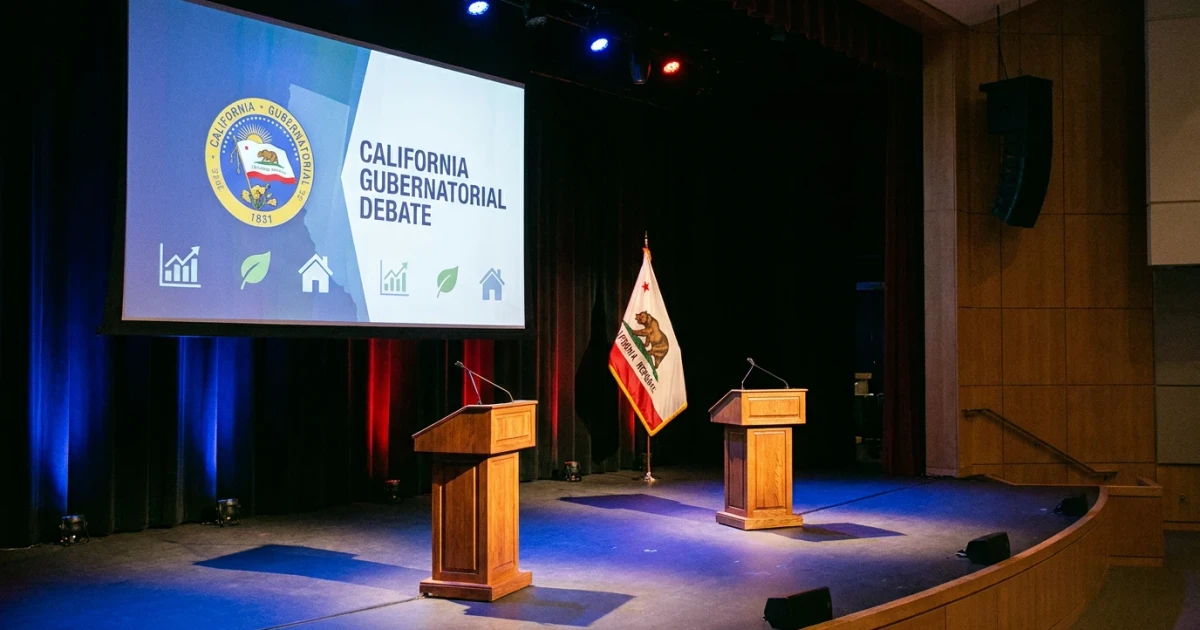
California's leading gubernatorial candidates met in a highly anticipated debate this week, putting their policy differences and leadership styles on full display as the race for the state's top office intensifies.
Democratic Field Faces Intense Scrutiny
The debate stage was dominated by Democratic hopefuls, each vying to set themselves apart in a state where their party holds a commanding advantage. According to recent voter and party profiles from PPIC, Democrats account for nearly half of California's registered voters, making the primary contest especially consequential.
Throughout the evening, candidates were quick to challenge each other's records and proposals, particularly on issues such as housing affordability, climate action, and education funding. The exchanges reflected a Democratic field divided not just by policy nuance, but by broader visions for California's future.
Economy and Budget Take Center Stage
Economic issues took the spotlight early in the debate, with each candidate outlining their approach to managing the state’s massive 2023-24 budget. Several contenders advocated for increased spending on social services, while others called for more fiscal restraint in response to recent projections of slowing state revenue growth.
- Some candidates linked their plans to address homelessness and affordable housing directly to budget priorities, arguing for new investments in public infrastructure and mental health services.
- Others raised concerns about the sustainability of such spending, referencing the Legislative Analyst’s Office warnings about potential long-term deficits.
Sharp Differences on Climate Policy
California’s role as a leader in climate action was another point of contention. Candidates debated how aggressively the state should pursue its ambitious clean energy targets, with some advocating for accelerating the transition to renewables, while others stressed the need to balance environmental goals with economic impacts on workers and industries.
The discussion underscored California’s outsized influence on national climate policy and the challenges in maintaining public support for costly or disruptive initiatives.
Housing Crisis Draws Competing Solutions
With California’s high cost of living and persistent housing shortage, the candidates fielded tough questions about their strategies to make housing more affordable. Proposals ranged from increased state investment in affordable housing construction to regulatory reforms aimed at easing local zoning restrictions.
- One candidate emphasized the importance of "streamlining permitting processes" to speed up development.
- Another called for "expanded tenant protections and rent relief programs" to provide immediate assistance to struggling families.
Data from the U.S. Census Bureau highlights the scale of the challenge, with median home prices and rental costs among the highest in the nation.
Education and Public Safety Also in Focus
While economic and housing issues dominated, the debate also touched on education funding, with candidates clashing over how best to support public schools and address learning loss from the pandemic. Public safety, including approaches to criminal justice reform, was another topic where the field’s ideological diversity became apparent.
What’s Next in the Race?
The debate made clear that California’s gubernatorial race remains highly competitive, with no single candidate emerging as an unequivocal frontrunner. The Los Angeles Times election results dashboard provides a historical perspective, showing how fluid primary contests can be in the state’s unique top-two system.
As the campaign heads toward the primary, voters will be weighing not only the specifics of each candidate’s platform but also their ability to navigate California’s complex economic and social landscape. For more on the responsibilities and powers of the office, readers can visit this comprehensive explainer on the role of the Governor of California.
Ultimately, the debate underscored both the scale of the challenges facing California and the diversity of ideas competing for the state’s highest office.