Politics
California Sets Special Election to Replace Swalwell
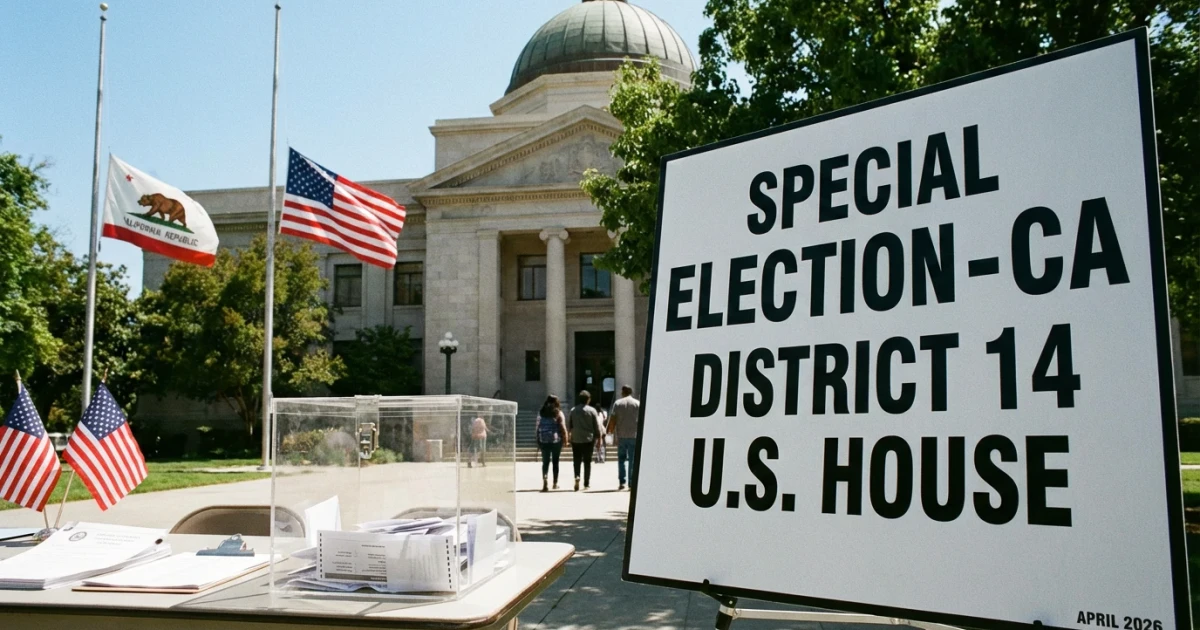
California Governor Gavin Newsom has officially set a special election to fill the vacancy in California's 14th Congressional District following the departure of Representative Eric Swalwell, as reported by the San Francisco Chronicle and confirmed by state announcements. The move initiates a critical process for Bay Area voters, with the outcome likely to impact both local representation and national Congressional dynamics.
Background: Vacancy in the 14th District
Eric Swalwell, who has represented the 14th District in the U.S. House since 2013, recently vacated his seat, prompting the need for a special election. According to state law, the governor is tasked with calling a special election when a Congressional seat becomes vacant. The California Secretary of State lists key dates and candidate filing deadlines for upcoming special elections, ensuring a transparent process for voters and candidates alike.
- The U.S. House of Representatives currently tracks all vacancies and special elections, highlighting the significance of each open seat for Congressional operations.
- California's 14th District encompasses parts of the Bay Area, including portions of Alameda and Contra Costa counties, with a diverse electorate and history of Democratic representation.
- The district’s last general election saw Swalwell win with a significant margin, reflecting the area’s strong Democratic leanings.
Special Election Timeline and Process
Governor Newsom’s announcement kicks off the special election cycle, which includes a primary and a general election if no candidate achieves a majority in the primary. The official proclamation details the legal framework and rationale for the election, ensuring compliance with both state and federal requirements. Voters will have the opportunity to select from candidates who file under the compressed timeline established for special elections.
- Filing deadlines are set by the Secretary of State, and all candidates must comply with disclosure and finance regulations as outlined by the Federal Election Commission.
- The top two vote-getters in the primary, regardless of party, will advance to the general election unless one candidate wins a majority outright.
Implications for Congress and the Bay Area
The vacancy in the 14th District temporarily reduces California’s voice in the U.S. House. With policy debates and narrowly divided chambers, the timing of the special election could affect legislative vote counts and committee assignments until the seat is filled. The House Clerk’s official vacancy list provides ongoing updates on the status of open seats nationwide.
For the Bay Area, the race will determine who will represent local interests in Washington, D.C., including issues such as transportation, housing, and technology policy. The district’s demographics and political history suggest a competitive but likely Democratic-leaning contest.
Looking Ahead
As candidates declare their intention to run and the campaign season begins, voters in the 14th District will soon choose their next representative. The special election process will be closely monitored by local and national observers, given its potential to influence Congressional dynamics and reflect broader trends in California politics. Full details, including dates and candidate information, are available on the California Secretary of State’s special elections page.