Technology
California startup gets permission to test satellite sunlight on Earth at night
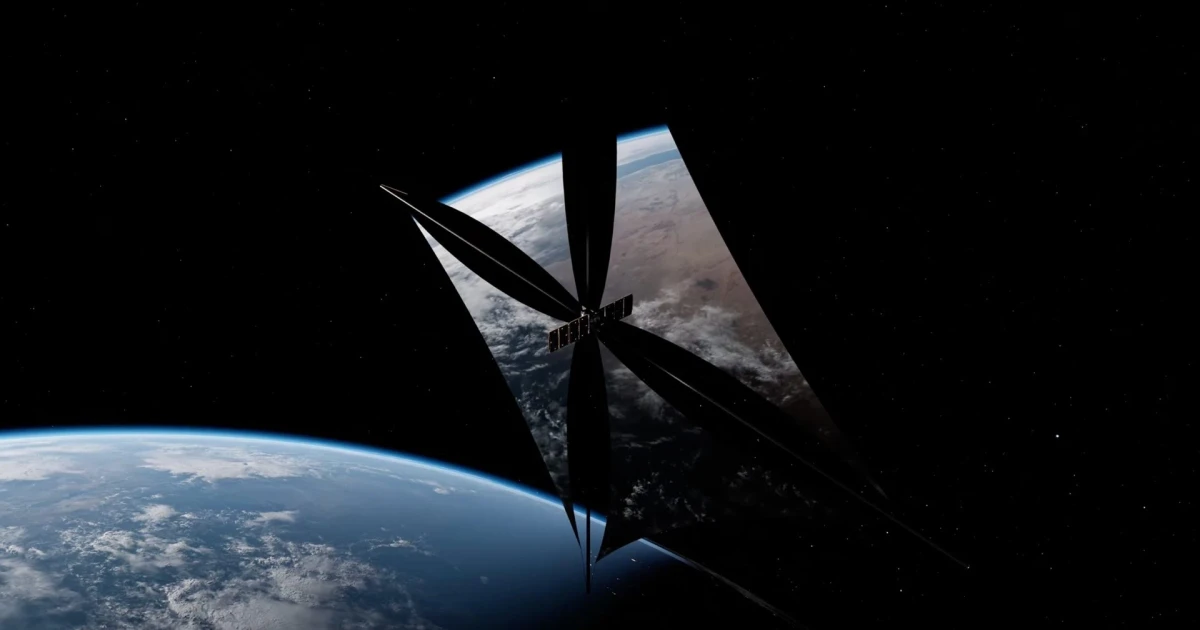
The Federal Communications Commission granted Reflect Orbital permission to test a mirror satellite that would redirect sunlight from low-Earth orbit onto Earth, a plan the Hawthorne, California startup says could brighten a three-mile-wide patch of ground after sunset. The company’s first demonstration craft, Eärendil-1, is meant to prove that sunlight can be bounced from space for use on demand.
Reflect Orbital filed its application in August 2025 under file no. SAT-LOA-20250701-00129. The startup says it raised $20 million in Series A funding in May 2025, led by Lux Capital with participation from Sequoia Capital and Starship Ventures, and that it also received an AFWERX SBIR Phase II contract from the U.S. Air Force. In public materials, Reflect Orbital has said the first prototype was intended for launch in 2026, in an orbit of about 625 kilometers at an 88-degree inclination.
The company’s long-range plans are larger by orders of magnitude. Reflect Orbital has publicly discussed building a constellation of as many as 50,000 satellites by 2035, with each mirror system capable of illuminating areas up to about 5 kilometers wide and, in some cases, producing light as bright as or brighter than full moonlight. The startup has framed the system as a tool for solar farms, emergency response, agriculture, construction, military operations and large outdoor events.
That ambition has drawn immediate resistance from astronomers and night-sky advocates. The American Astronomical Society filed a petition to deny the Eärendil-1 application, arguing that the satellite could interfere with federally funded astronomical research and pose risks to human health and the environment. Public interest groups say the FCC docket drew more than 1,800 comments on the proposal, reflecting how quickly the project has moved from concept to contested test case.
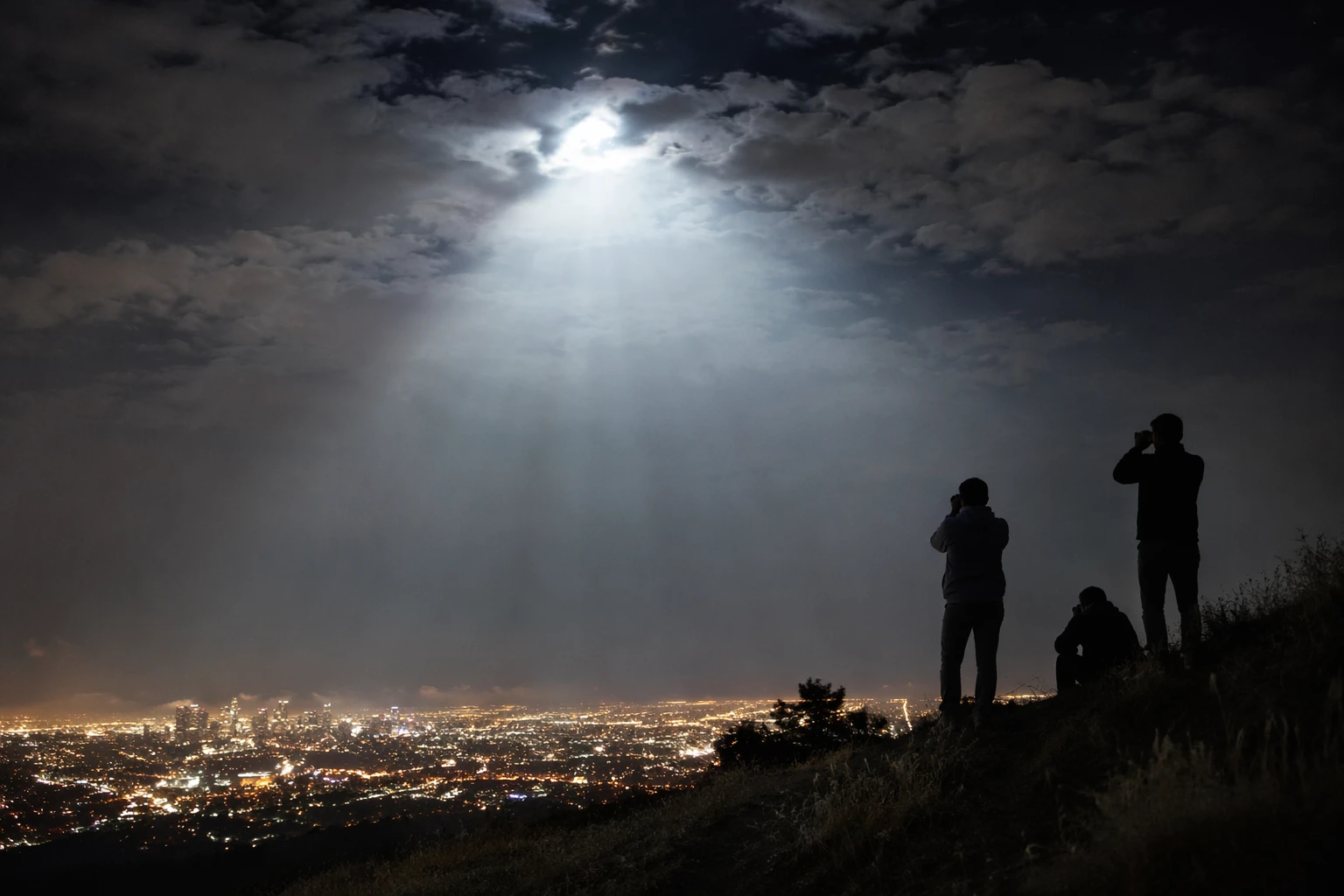
DarkSky International has also opposed orbital illumination systems, warning that they carry ecological, human health, safety and astronomical risks. The group said even low levels of artificial light at night can disrupt navigation, migration, feeding, reproduction, sleep and circadian rhythms, and it said Reflect Orbital’s proposed beams could be several times brighter than a full moon. DarkSky also said multiple satellites would be needed to illuminate a single target for only a few minutes as they pass overhead.
The dispute has exposed a deeper regulatory question. FCC review has traditionally centered on radio spectrum and orbital debris, not visible light on the ground, leaving critics to argue that the mirror itself falls outside the commission’s main technical scope. The case has also revived questions about environmental review under the National Environmental Policy Act, as satellite licensing has often been treated as categorically excluded from full impact analysis. Reflect Orbital now has its first green light, but the wider fight over commercializing the night sky has only begun.
Sources
- [1]nytimes.com
- [2]darksky.org
- [3]journals.law.umn.edu
- [4]lightnowblog.com
- [5]aas.org
- [6]reflectorbital.com
- [7]fcc.gov
- [8]docs.fcc.gov