Politics
California voters reject more local taxes as cost-of-living worries grow
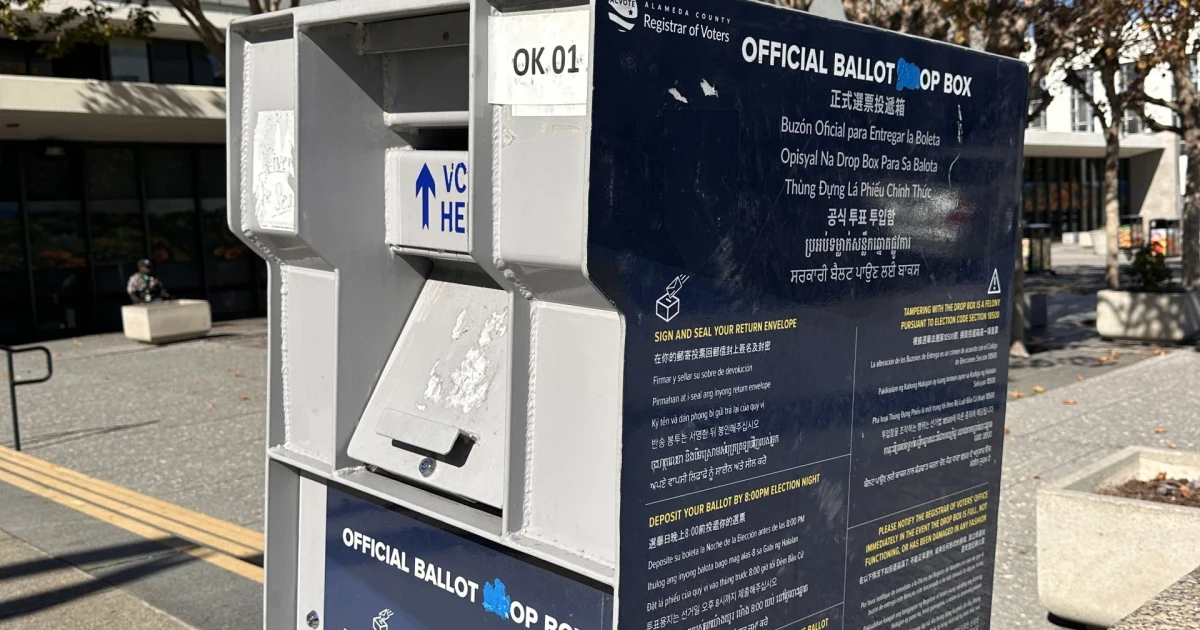
California voters slowed the flow of new local taxes in June, rejecting a larger share of county, city and school revenue measures as inflation, housing costs and everyday expenses kept pressure on household budgets. Preliminary tallies showed 88 local revenue measures statewide on the June 2 primary ballot, but only 57.6% passed, well below the roughly 70% approval rate local tax and bond measures have typically enjoyed in recent years.
The numbers cut across nearly every type of local finance pitch. Voters weighed 47 city, county and special-district fiscal measures, 21 add-on sales tax proposals, 18 parcel taxes and 15 school parcel taxes, while school districts also asked for $3.0 billion in construction bond financing across 41 measures. The cooler reception signals that even measures tied to visible public needs are running into a sharper affordability test at the ballot box.

The clearest split came in Contra Costa County and Los Angeles County. In Contra Costa, Measure B would have imposed a 0.625% sales tax for five years and was estimated to generate about $150 million a year for general county services, but voters rejected it. In Los Angeles County, Measure ER, a half-cent sales tax for five years to support local health departments and related services, narrowly survived after a late-count comeback and will take effect on October 1, 2026.
The divide reflected a broader shift in voter attitudes. A May survey by the Public Policy Institute of California found that 55% of Californians preferred lower taxes and fewer services, compared with 44% who wanted higher taxes and more services. The same survey found inflation, the cost of living and housing prices remained the top concerns shaping voter judgment in 2026.

For local governments, the consequences reach beyond election night. Contra Costa will have to find another way to support services that had been counting on Measure B revenue, while Los Angeles County’s health departments and related services got a reprieve from a narrow win. School districts that went to voters for construction bonds and parcel taxes now face a more skeptical electorate as they try to finance campuses, classrooms and other capital projects.

The June result fits a longer California pattern that dates back to Proposition 13, when tax revolt politics became a defining force in state and local policy. This year, that old tradition again collided with modern pocketbook stress, and the strain was felt first in the budgets that pay for public services.
Sources
- [1]nytimes.com
- [2]calmatters.org
- [3]caltax.org
- [4]californiacityfinance.com
- [5]ballotpedia.org
- [6]nbclosangeles.com
- [7]ppic.org