World
Calls Grow for Ethical Use of International Women’s Day Branding
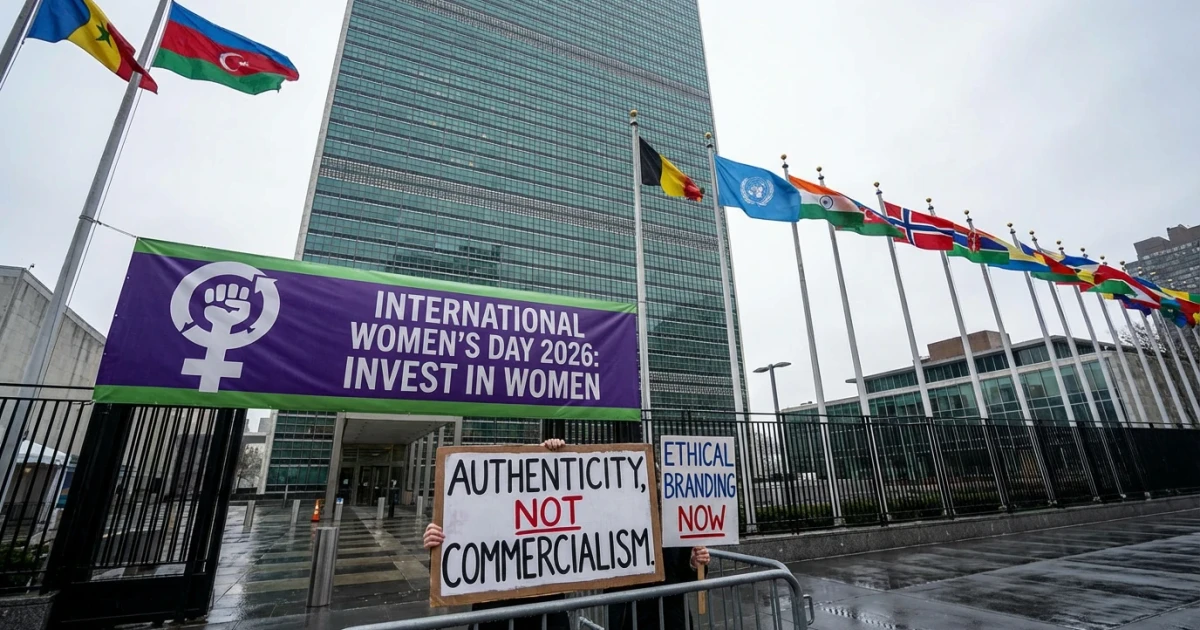
Advocates and campaigners are calling on the owners of the International Women’s Day official website to halt what they describe as the ‘exploitation’ of the annual event, urging a renewed focus on the day’s core mission of advancing gender equality and recognizing women’s achievements worldwide.
Concerns Over Commercialization of International Women’s Day
As International Women’s Day (IWD) has gained prominence as a global celebration and rallying point for gender equality, scrutiny has increased over how its brand and messaging are used. The Guardian recently reported that website owners of the widely recognized International Women’s Day portal have come under criticism for practices perceived as commercial exploitation, including monetized campaigns and paid promotional opportunities that may dilute the day’s original purpose.
Critics argue that the proliferation of branded merchandise, event sponsorships, and paid partnership listings on the official International Women’s Day website risks shifting the focus from substantive action and advocacy to profit-driven activities. This commercialization, they say, threatens to overshadow the achievements and ongoing struggles of women, especially in regions where gender disparities remain acute.
Global Impact and the Need for Authenticity
International Women’s Day, marked every March 8, is recognized by the United Nations and celebrated in over 100 countries. It is designed to highlight progress on women’s rights, rally support for gender parity, and spotlight both achievements and continuing challenges. According to UN Women Data Hub, only 28% of managerial positions globally are held by women, and the gender pay gap persists across regions and sectors. These statistics underscore the need for genuine conversation and action, rather than surface-level engagement.
Global organizers and equality advocates emphasize that the day should remain a platform for activism, policy change, and recognition of grassroots efforts. The United Nations’ official program for International Women’s Day 2024 focused on investing in women and accelerating progress toward the Sustainable Development Goals, a theme that many feel is undermined by excessive commercialization.
What Advocates Are Demanding
- Transparency: Advocates call for clear disclosures about paid promotions and sponsorships on event websites.
- Support for Grassroots Initiatives: Calls have intensified for website owners and corporate partners to direct resources toward grassroots women’s organizations and advocacy groups, particularly in the Global South.
- Inclusive Programming: Critics urge organizers to prioritize initiatives that address intersectional barriers faced by marginalized groups, including women of color, LGBTQ+ women, and women with disabilities.
Balancing Awareness and Action
While the International Women’s Day website provides a valuable hub for resources and event coordination, the debate highlights the challenge of balancing visibility with authenticity. Critics maintain that when the day’s brand is used primarily as a marketing tool, it risks alienating the very communities it aims to support.
As the conversation continues, campaigners hope that increased scrutiny will prompt website owners and event organizers to reaffirm the true purpose of International Women’s Day: driving meaningful change, promoting gender equality, and amplifying the voices of women worldwide.
For readers interested in the data and official initiatives underpinning these debates, the UN Women: International Women’s Day 2024 In Focus page and the UN Women Data Hub offer comprehensive resources, statistics, and campaign materials.