Politics
Calls Grow for Reform in Nepal’s Provincial Governance
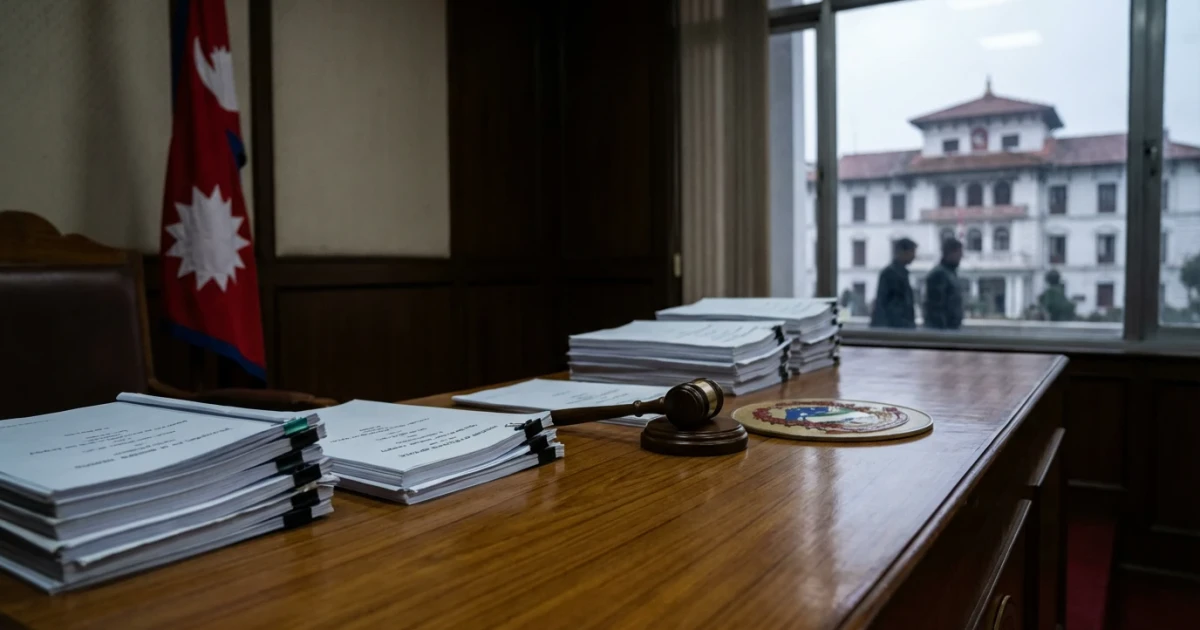
Political analysts are urging Nepal’s leading parties, the Nepali Congress and the Communist Party of Nepal (Unified Marxist–Leninist), to enact reforms in the country’s provincial governance system, warning that their political futures may depend on it. The debate over the effectiveness of Nepal’s provincial structure has intensified, with stakeholders pointing to operational challenges, public dissatisfaction, and systemic inefficiencies since the provinces were established under the Constitution of Nepal.
Mounting Pressure for Provincial Reforms
Since the adoption of federalism in 2015, Nepal’s seven provinces have struggled with overlapping authority, ambiguous mandates, and limited fiscal autonomy. According to official provincial statistics, disparities in development and service delivery persist across regions. Experts quoted by The Kathmandu Post argue that without meaningful reform, the provincial model risks losing public support—posing a strategic threat to major parties who have championed federalism.
Expert Warnings for Major Parties
Political commentators and governance specialists cited by The Kathmandu Post emphasize that both the Nepali Congress and UML have a vested interest in improving provincial governance. Analysts stress that public frustration with provincial inefficiency could erode the parties’ electoral bases, especially as local governments and the federal parliament gain greater visibility.
- Disputes over the division of powers remain unresolved, frequently causing policy gridlock at the provincial level.
- Redundancies in administrative roles and slow budget execution have contributed to perceptions of waste and inefficiency, as detailed in the Provincial Governance Report 2022.
- The National Planning Commission’s recent analysis found that only 63% of allocated provincial budgets were spent in the last fiscal year—a figure lagging behind local governments.
Structural Challenges and Legal Frameworks
Nepal’s provincial governments were created to decentralize authority, improve local representation, and foster regional development. The International IDEA database notes that the system comprises seven provinces, each with its own assembly and government. However, the official structure leaves several areas undefined, including the precise allocation of legislative and fiscal powers between the federal, provincial, and local levels.
The Kathmandu Post highlights expert concerns that these ambiguities have led to frequent disputes between provincial and federal authorities, complicating efforts to address local needs efficiently. Calls for reform center on amending the constitution to clarify roles and responsibilities, rationalizing administrative structures, and improving fiscal management.
Public Sentiment and Political Stakes
Opinion polls and anecdotal evidence cited by analysts suggest that the public remains skeptical about the benefits of the provincial system. Many citizens perceive provincial assemblies as expensive and redundant, especially when their impact on daily life appears minimal compared to local governments. As The Kathmandu Post reports, this sentiment could translate into political costs for Congress and UML unless tangible improvements are made.
Experts argue that reform is not only a matter of governance but also a strategic imperative for the ruling parties. By enhancing transparency, streamlining functions, and delivering visible outcomes, Congress and UML could shore up public trust and reinforce their commitment to federal ideals.
Outlook for Reform
The debate over provincial governance reform in Nepal is likely to intensify as the next electoral cycle approaches. Major parties face mounting pressure from experts, civil society, and the electorate to move beyond rhetoric and deliver substantive changes. Whether these reforms materialize could have lasting implications for Nepal’s political stability and the future of federalism in the country.
For now, the challenge remains: can the Congress and UML seize the initiative and address the shortcomings in provincial governance, or will inertia and inter-party rivalry stall progress further?