Technology
Caltech’s Deep Synoptic Array clears review, construction to begin soon
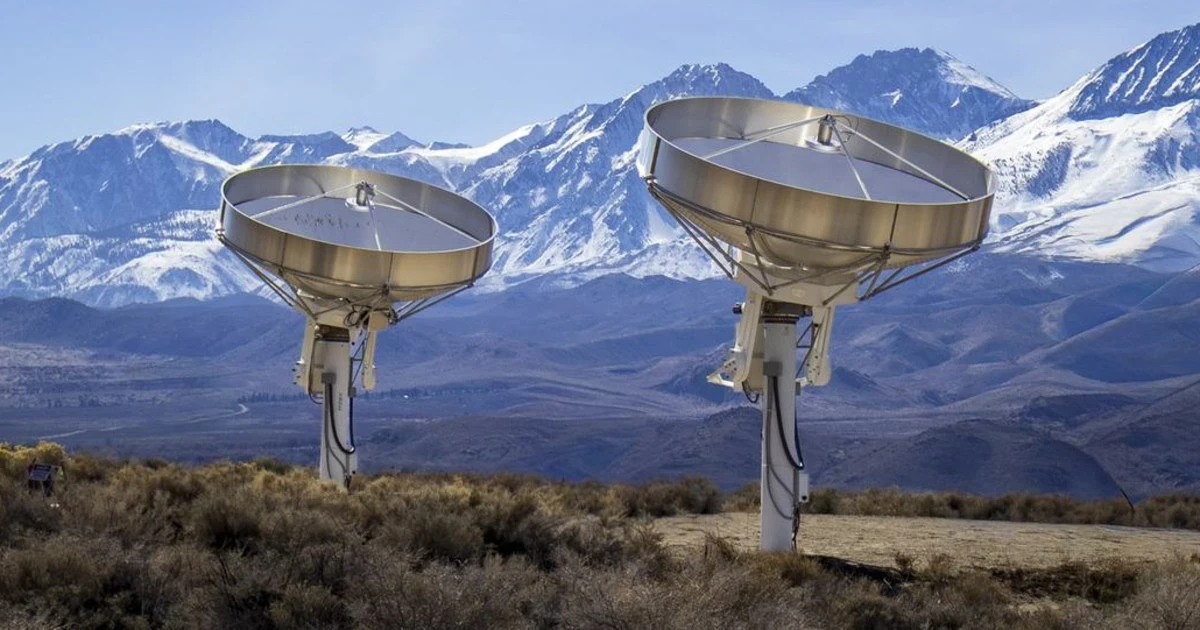
A 1,650-dish radio telescope planned for Spring Valley, Nevada, cleared its final design review and moved closer to construction, putting Caltech’s Deep Synoptic Array on a path to become one of the most ambitious instruments in U.S. astronomy. Backed by Schmidt Sciences, the project is designed to scan the sky faster than any radio telescope current or planned while collecting data on more than 1 billion cosmic sources during its first five-year survey.
The array, formerly known as DSA-2000, will be built from 1,650 dishes, each 6.15 meters across, spread across an area about 20 kilometers by 16 kilometers, or roughly 12 by 10 miles. Caltech has said the telescope will observe across the 0.7 to 2 GHz band, giving it the sensitivity and sharp imaging needed to capture faint signals that smaller arrays can miss. Caltech has also said the project could be operational by 2029.
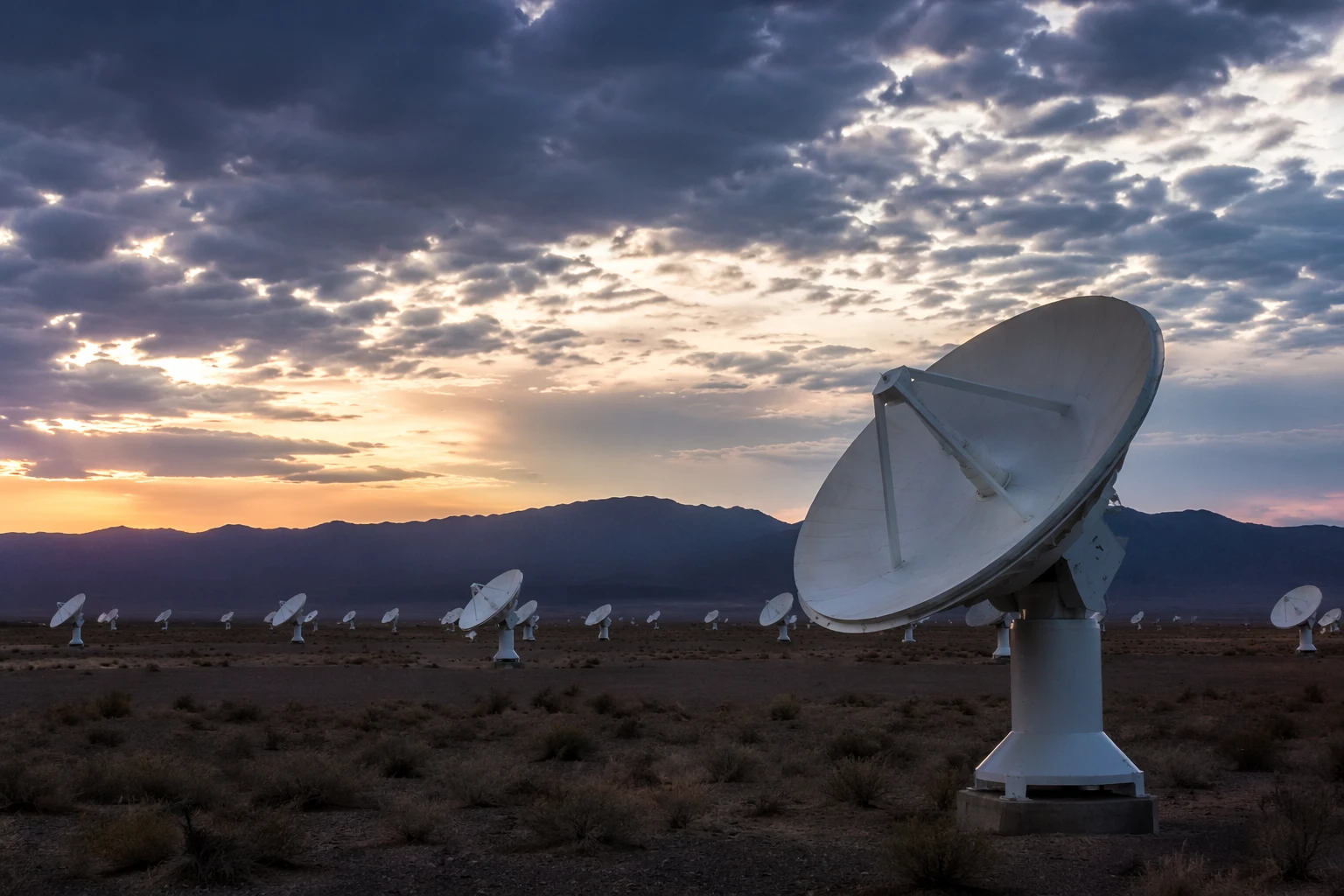
Scientists involved in the project say that scale matters. Gregg Hallinan, a Caltech astronomy professor and director of the Owens Valley Radio Observatory, is the principal investigator, with Vikram Ravi, also a Caltech astronomy professor, serving as co-principal investigator. The massive number of antennas will allow the array to combine extreme sensitivity with detailed imaging, a combination that could sharpen studies of fast radio bursts, planetary systems and the broader radio sky.
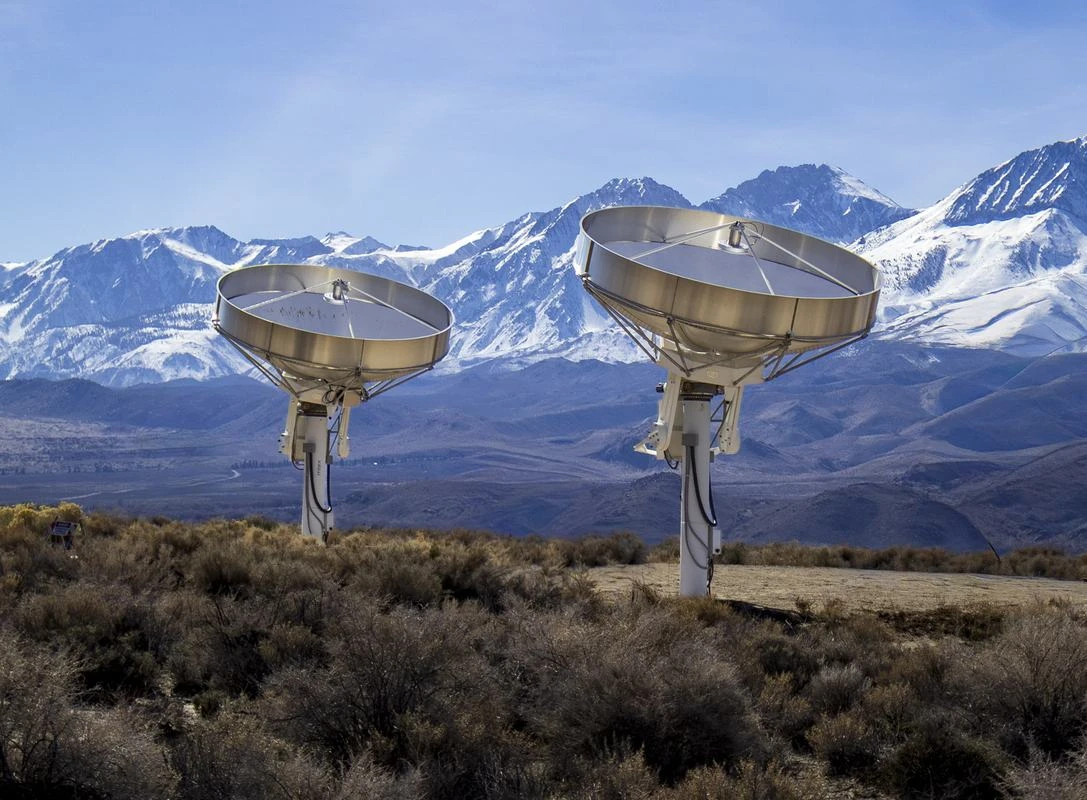
The Nevada site was chosen for a practical reason: Spring Valley is radio quiet, which helps minimize interference that can contaminate delicate measurements. Caltech has said the design also aims to limit environmental impact during both construction and operations, with the team working alongside environmental experts to reduce harm to the local ecosystem. That balance of scientific reach and site protection reflects the tradeoffs that increasingly shape major research projects on public land and in rural communities.
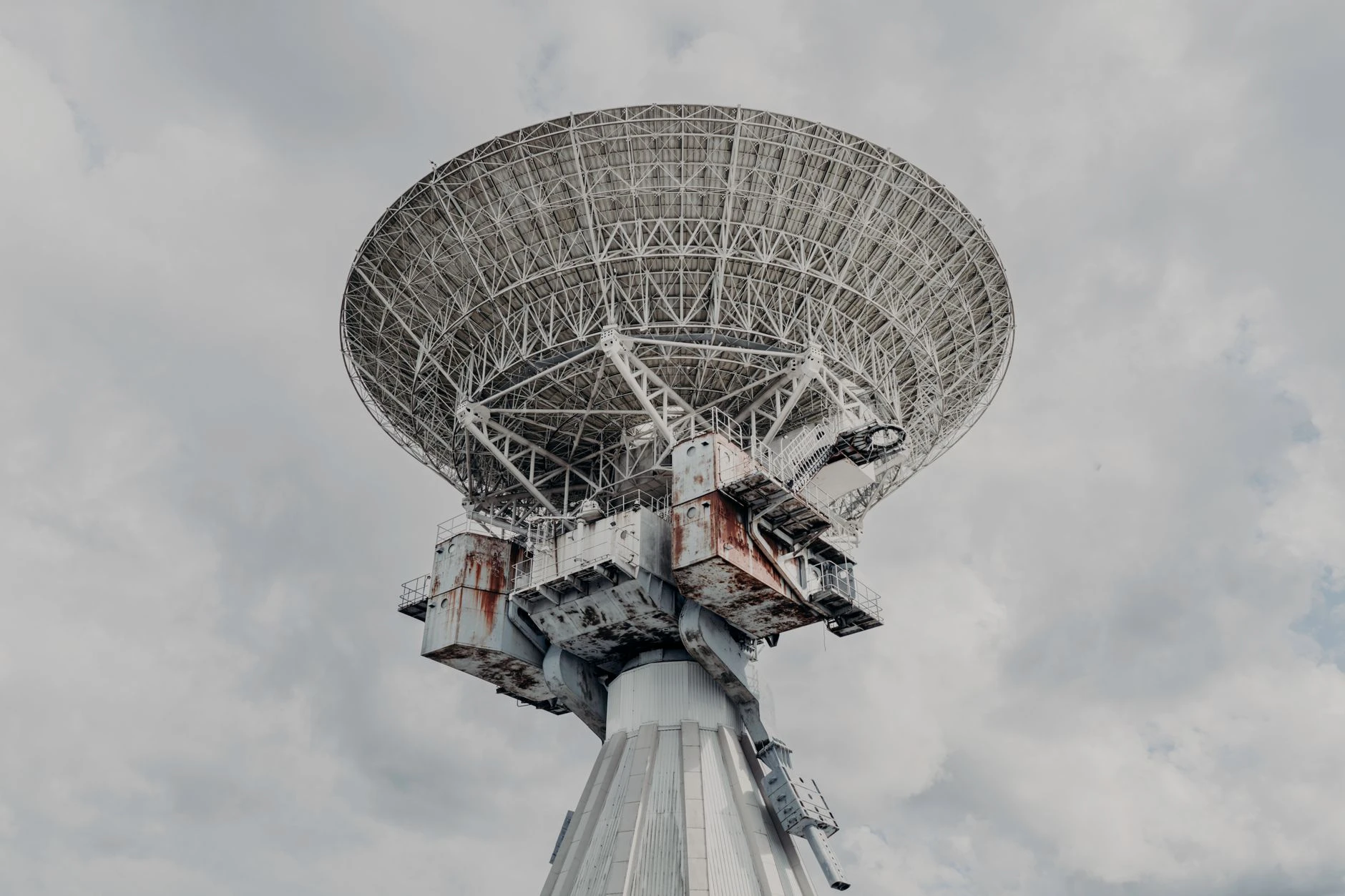
The project also underscores a broader national contest for scientific leadership. Compared with New Mexico’s Very Large Array, which has 27 dishes, the Deep Synoptic Array will have 1,650. In a field where the next discovery can hinge on catching a fleeting burst of energy or mapping a distant source before it fades, that difference in scale could determine which observatory leads the next era of radio astronomy.
Sources
- [1]nbcnews.com
- [2]caltech.edu
- [3]deepsynoptic.org
- [4]alumni.caltech.edu
- [5]newser.com
- [6]physicstoday.aip.org