World
Cambodia seeks return of thousands of looted sacred artifacts
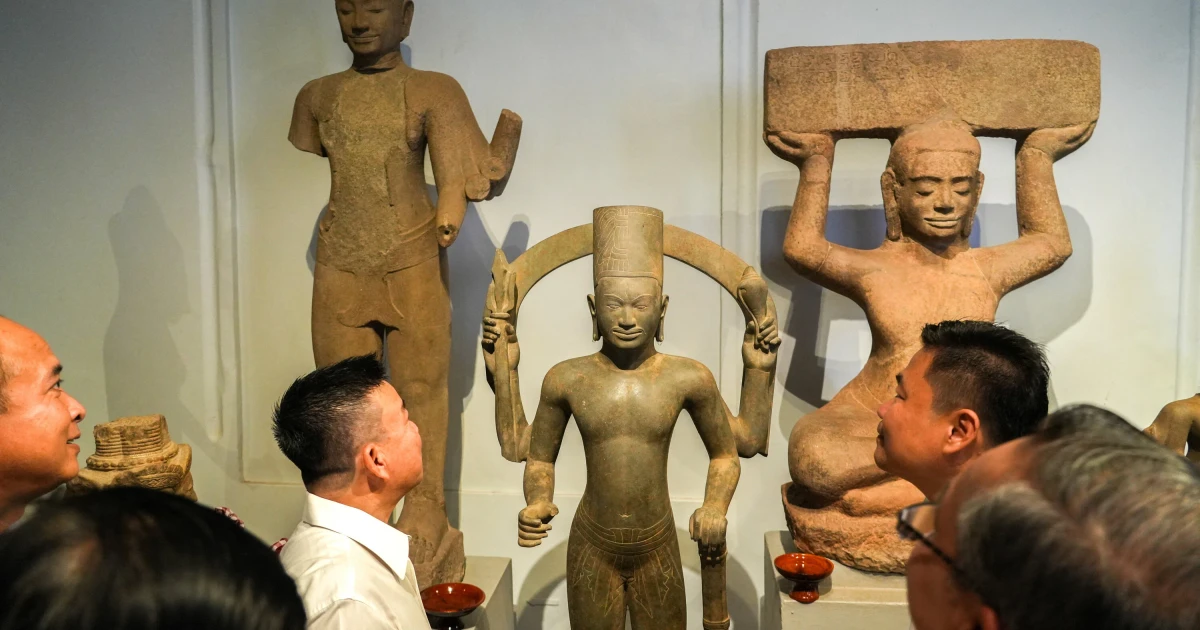
Cambodia is pressing for the return of thousands of sacred stone, bronze and gold artifacts taken from temples and other religious sites, and one of the most visible steps came when the U.S. Attorney’s Office for the Southern District of New York said the Metropolitan Museum of Art would return some of the stolen antiquities. The campaign has unfolded across Phnom Penh, New York and museums and private collections in the United States, where pieces taken over decades have resurfaced far from the shrines they were stripped from.
60 Minutes described the theft as potentially “the greatest art heist in history.” The looting began nearly a century ago under French colonial Cambodia, then intensified in the 1970s, 1980s and 1990s amid genocide, civil war and political turmoil. What started as theft from remote religious sites became a global market, with thousands of Cambodian artifacts entering circulation through dealers, collectors and institutions that often kept them far from public view.
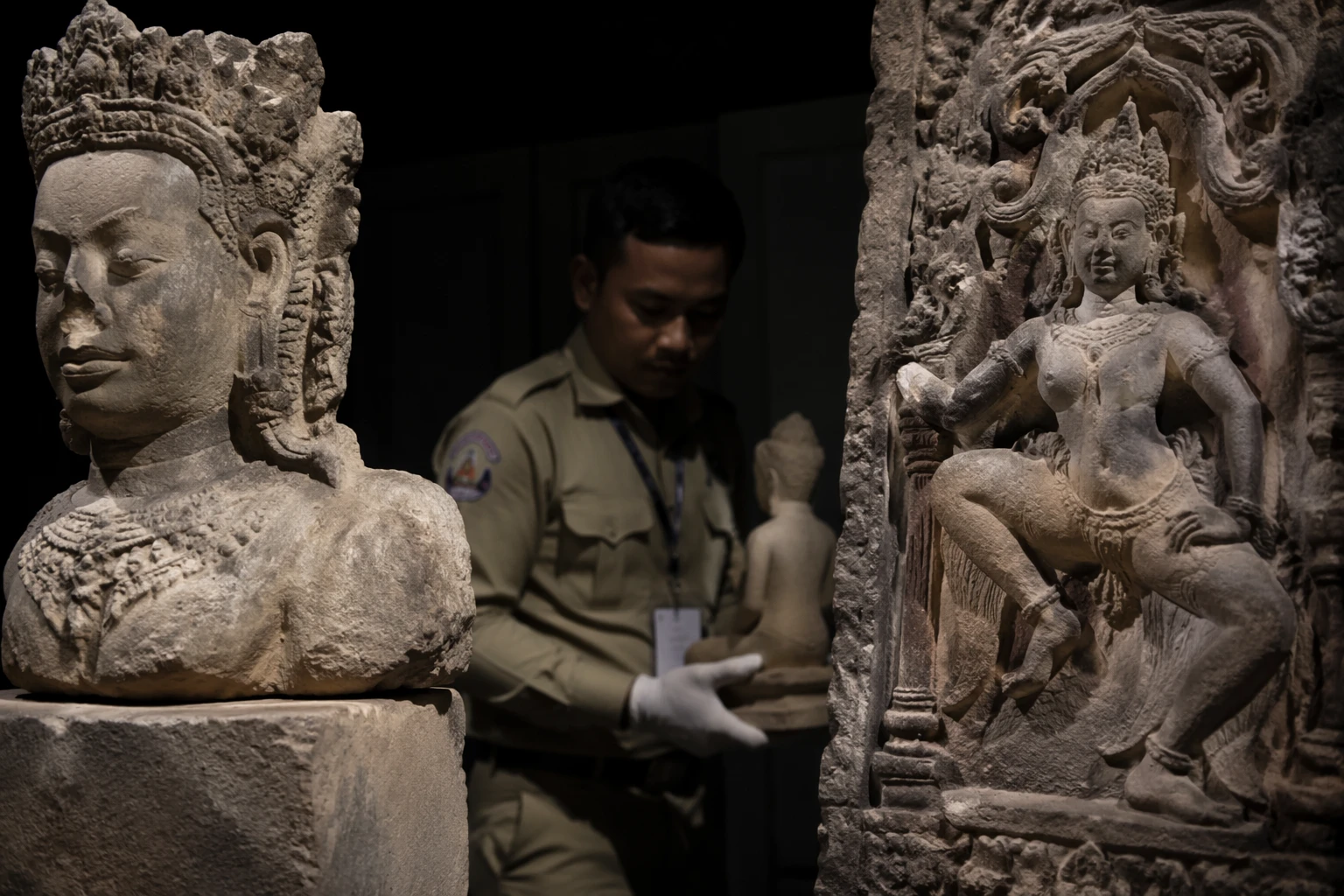
For the last 10 years, the Cambodian government has been tracking the pieces down and pushing for their return. At the center of that effort is Brad Gordon, an American lawyer who has lived in Phnom Penh for more than a decade and has worked with Cambodian authorities to identify and recover looted objects. Gordon has called the trafficked works “blood antiquities,” a description that reflects the violence tied to the trade and the murders that have shadowed it.
The recovery effort has also depended on people who once helped fuel the trade. Toek Tik, a former looter turned confidential informant, helped identify stolen artifacts and reportedly witnessed the return of a Cambodian statue before his death. His role underscored how much of the evidence for restitution still comes from the underside of the black market itself, where names, routes and buyers can be traced only after the damage has been done.
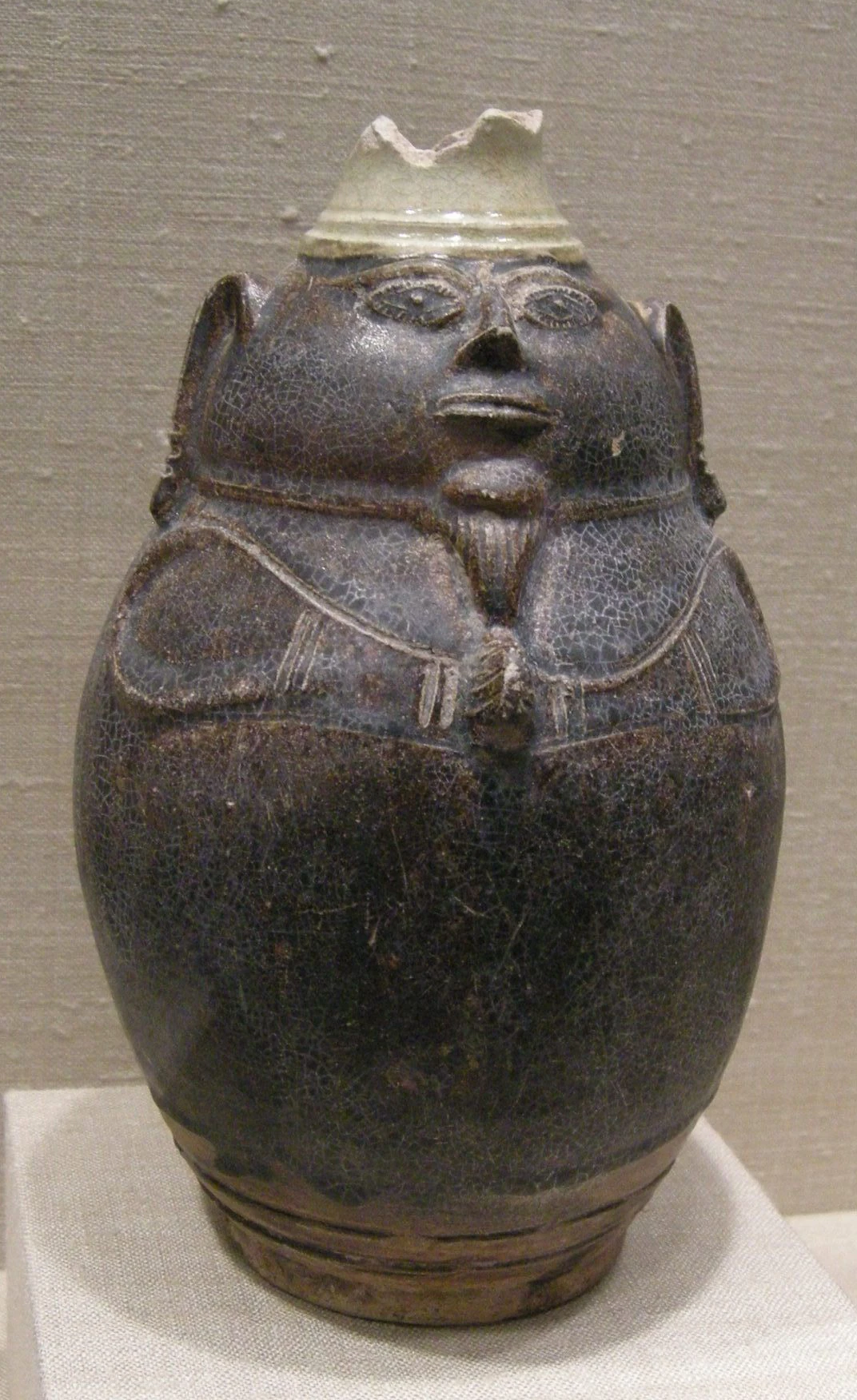
One documented case shows how the market worked. An artifact stolen from a temple in northern Cambodia in 1997 later sold for $1.5 million and ended up with a wealthy family in New York. After Gordon brought in the U.S. Department of Justice, the piece was returned to Cambodia in March 2023. The larger fight now goes beyond individual recoveries, forcing museums and collectors to confront whether objects taken through looting can ever fully be separated from the history of how they were acquired.
Sources
- [1]cbsnews.com
- [2]paramountpressexpress.com
- [3]hls.harvard.edu
- [4]cbs.com
- [5]icij.org