Entertainment
Cambridge study reveals playful side of Alan Turing in lost story
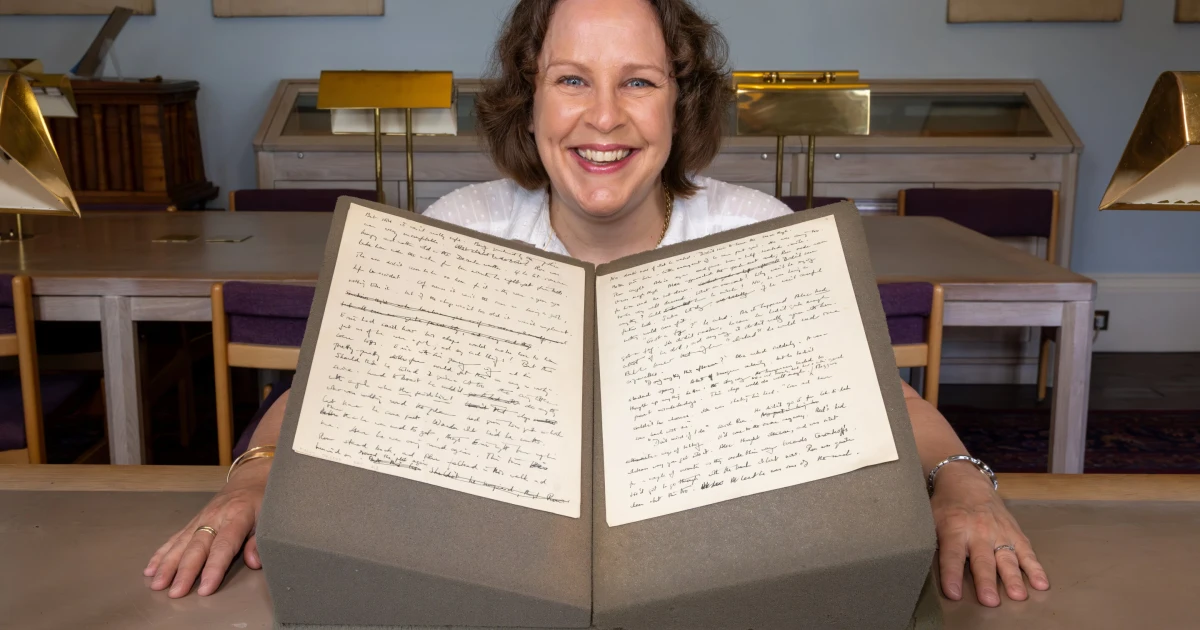
Prof Sarah Dillon of the University of Cambridge has transcribed and analysed a handwritten six-page Alan Turing short story, Pryce’s Buoy, from the Turing collection at King’s College Cambridge. Written likely in late 1952 or early 1953, the manuscript catches the wartime codebreaker in a register far removed from the cold, solitary mathematician image long attached to him.
King’s College Cambridge said the story “rips up” Turing’s “isolated mathematician” image, and Dillon’s reading presents him as “playful, funny, cheeky” rather than the stereotypical lone genius. The story centres on Ron Miller, described as a working-class rent boy, and Alec Pryce, giving the work a bluntly sexual and socially specific setting that adds texture to Turing’s public reputation as a codebreaker and founder of modern computing.

The timing matters. Turing was born on 23 June 1912 and died on 7 June 1954, aged 41, so Pryce’s Buoy appears to have been written in the final year of his life, after Bletchley Park, before his death, and after the persecution that followed his homosexuality. That places the story in the narrow gap between the towering technical legacy that includes computer science and artificial intelligence and the private world that remained mostly hidden.
The manuscript does not rewrite Turing’s biography by itself, but it does add a rare first-hand literary trace. It shows a man willing to write about class, desire and humour with a confidence that sits uneasily beside the familiar portrait of the isolated genius. It also gives historians something concrete: six pages in Turing’s own hand, preserved in the King’s collection, that reveal imagination and self-fashioning as clearly as any formal paper on machines or logic.
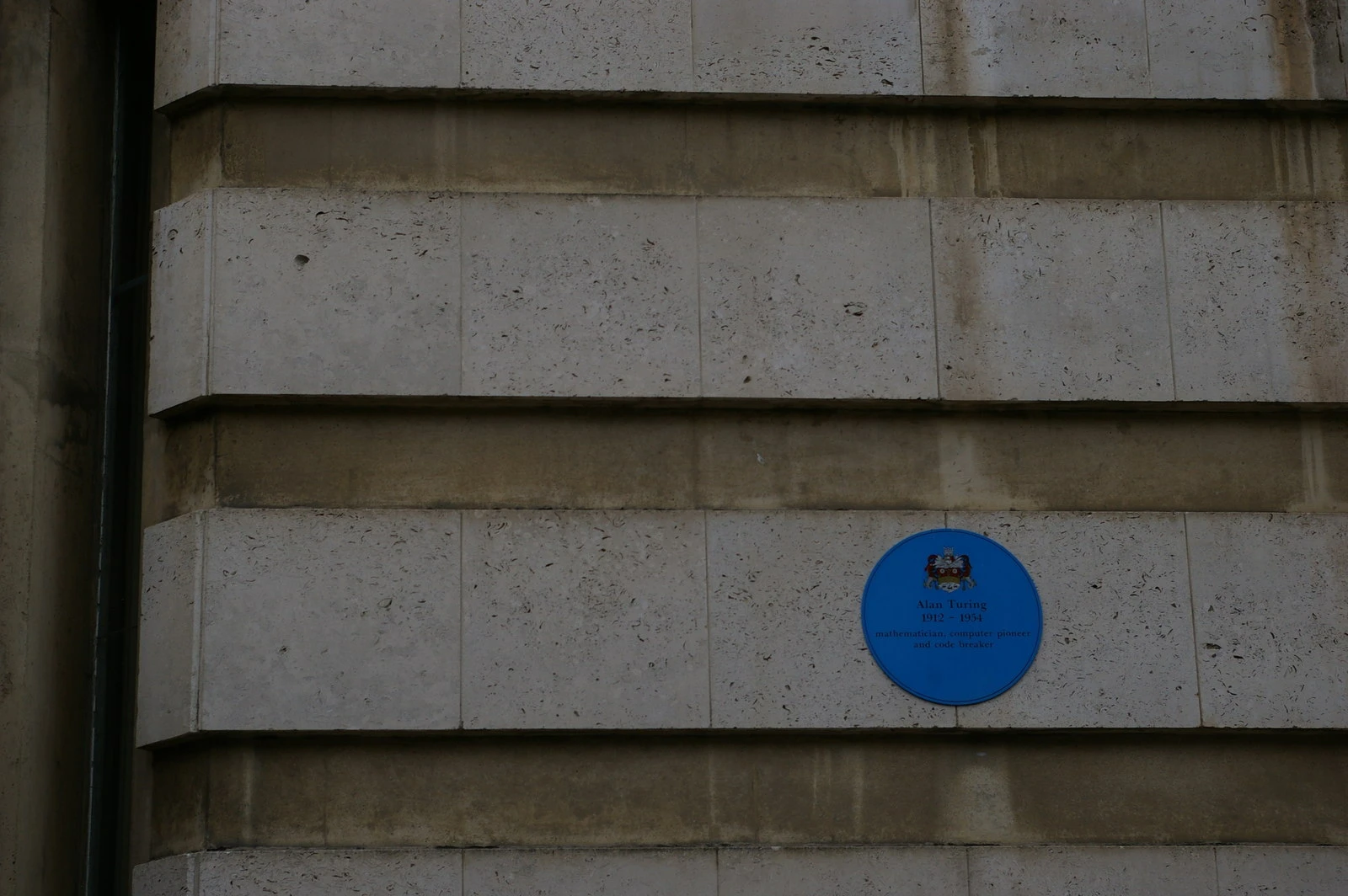
For a figure who has become central to both scientific history and LGBTQ+ history, that is the point of the discovery. Pryce’s Buoy does not replace Bletchley Park or Turing’s role in computing, but it shows that the life behind those achievements was more literary, more intimate and more defiant than the old image allowed.
Sources
- [1]nytimes.com
- [2]kings.cam.ac.uk
- [3]bbc.co.uk
- [4]cam.ac.uk
- [5]theguardian.com
- [6]english.cam.ac.uk
- [7]turingarchive.kings.cam.ac.uk