Science
Camping Linked to Improved Sleep Patterns
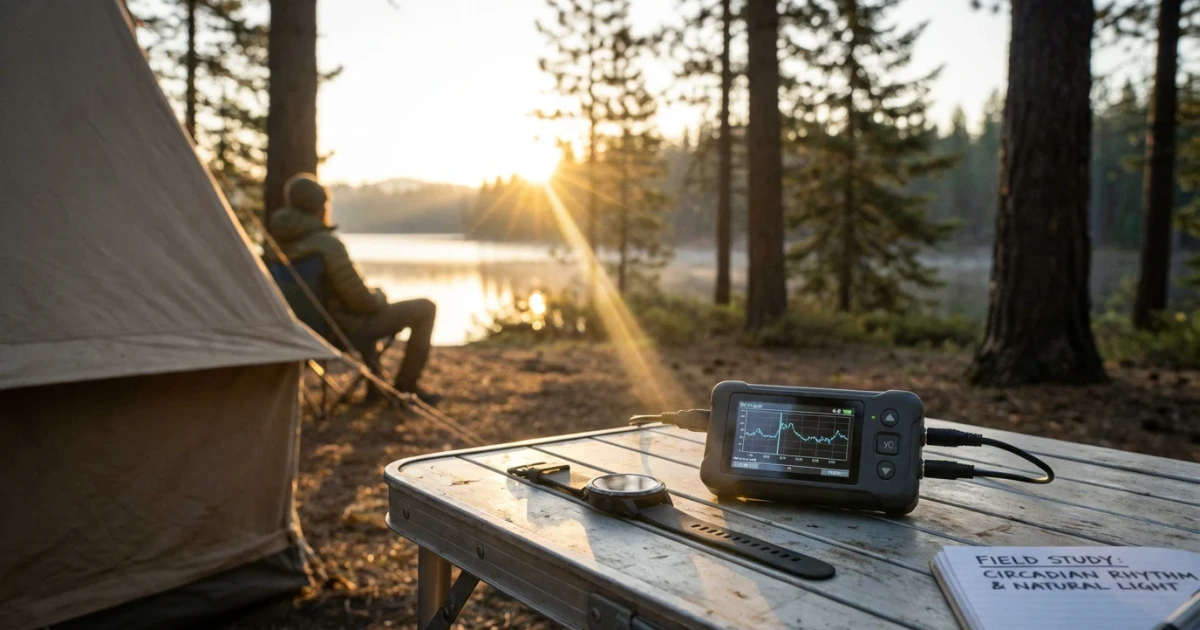
Many people struggle with getting quality sleep in today’s fast-paced, screen-filled world. But research and experts suggest a surprisingly simple remedy: spending a few nights camping outdoors. The BBC highlights growing evidence that camping resets the body’s internal clock, helping people fall asleep earlier and enjoy deeper, more restorative rest.
How Nature Influences Sleep
Modern lifestyles often disrupt the body’s circadian rhythm, the natural 24-hour cycle that regulates sleep and wake times. Artificial light, especially from screens, can push our internal clocks later into the evening. According to a peer-reviewed study cited by BBC, exposure to natural light while camping prompts the body to adjust, leading to earlier sleep onset and morning wake times.
- Researchers observed that after a week camping without artificial light, participants’ melatonin levels—a key sleep hormone—rose earlier in the evening.
- The study found that even a weekend camping trip could shift sleep timing by up to 1.5 hours earlier.
- Natural light exposure during the day and darkness at night help synchronize the circadian clock, reducing reliance on alarm clocks.
Statistics on Sleep Challenges
Sleep issues are widespread. The Centers for Disease Control and Prevention (CDC) reports that more than one-third of U.S. adults get less than the recommended seven hours of sleep per night. Poor sleep increases the risk of chronic conditions like obesity, diabetes, and heart disease. Data from Statista show that 27% of adults experience trouble falling or staying asleep most nights, highlighting the need for accessible solutions.
Why Camping Works
Experts explain that camping removes the cues that keep us up late—artificial lighting, screens, and social obligations. Instead, the sun’s natural rise and set times guide the body’s sleep schedule. According to the Nature study, campers in the wild started waking up with the sunrise and no longer needed alarm clocks, reporting better overall sleep quality.
- Natural light exposure during the day boosts alertness and mood.
- Darkness at night signals the body to produce melatonin, helping with sleep onset.
- Time outdoors encourages physical activity, which can also promote better sleep.
Practical Advice for Better Sleep
While not everyone can spend long periods camping, experts recommend incorporating elements of the outdoor experience into daily life:
- Seek morning sunlight to help set your body clock.
- Limit artificial light exposure, especially before bedtime.
- Consider short camping trips—even a weekend can make a difference.
- Engage in regular physical activity and reduce evening screen time.
Conclusion
Cumulative research and expert opinion underscore the benefits of aligning sleep habits with the natural light-dark cycle. Camping offers a practical reset for people whose sleep has drifted later due to modern habits. As more people search for ways to improve sleep quality, reconnecting with nature—even briefly—shows measurable promise.