Sports
Can the 2026 World Cup turn fans into MLS loyalists?
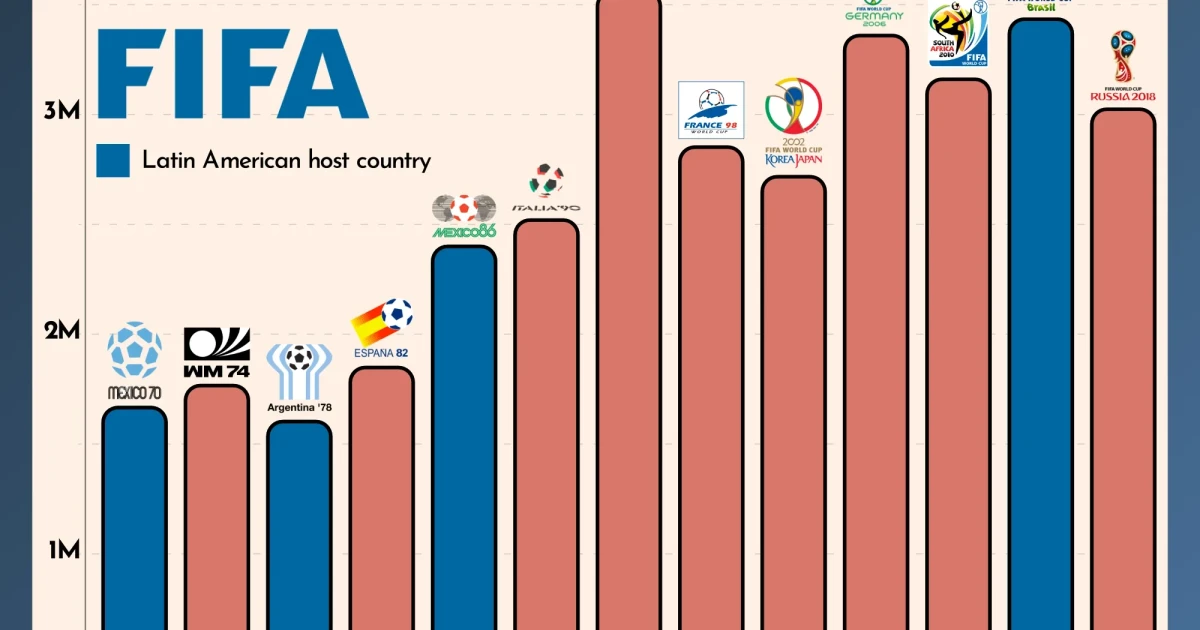
A record crowd and a record TV audience made the 1994 men's World Cup in the United States the event that turned soccer from a niche import into a mainstream habit. FIFA museum records show 3,587,538 total attendance and 68,991 a match, while Sporting News records put the July 4 U.S.-Brazil round of 16 at 11 million U.S. viewers, with the Brazil-Italy final also drawing a huge American audience. MLS was born in that aftermath and kicked off in 1996, which is why 2026 is being judged as a conversion test: can World Cup curiosity become MLS wallets?
Why the 1994 template still matters
The 1994 tournament did more than fill stadiums. NPR has described it as the event that sparked a boom in American soccer interest, from youth leagues to televised games and the formation of MLS. That boom also gave the sport recognizable faces, with Alexi Lalas, Cobi Jones, John Harkes and Marcelo Balboa becoming shorthand for a new era when the U.S. could finally point to players fans actually knew.
The institutional afterlife was just as important. The U.S. Soccer Foundation says it was born from the excess proceeds of the 1994 World Cup and the vision of founder Alan Rothenberg, the U.S. organizer who helped turn a one-off tournament into a development engine. The foundation says it has since awarded grants in all 50 states and Washington, D.C., and built programs including Soccer for Success, Safe Places to Play, Just Ball League and Coach-Mentor Training, all of which keep the sport connected to children long after the final whistle.
What MLS is doing to capture the moment
MLS is entering the World Cup year with stronger internal momentum than it had a few years ago. League materials say the 2026 MLS season is building on the strongest three-year period of fan growth in league history, fueled by record-setting crowds and expanding global reach. That growth matters because the league is not trying to sell nostalgia alone; it is trying to meet a fresh wave of attention with a product that already looks bigger, louder and more visible than before.
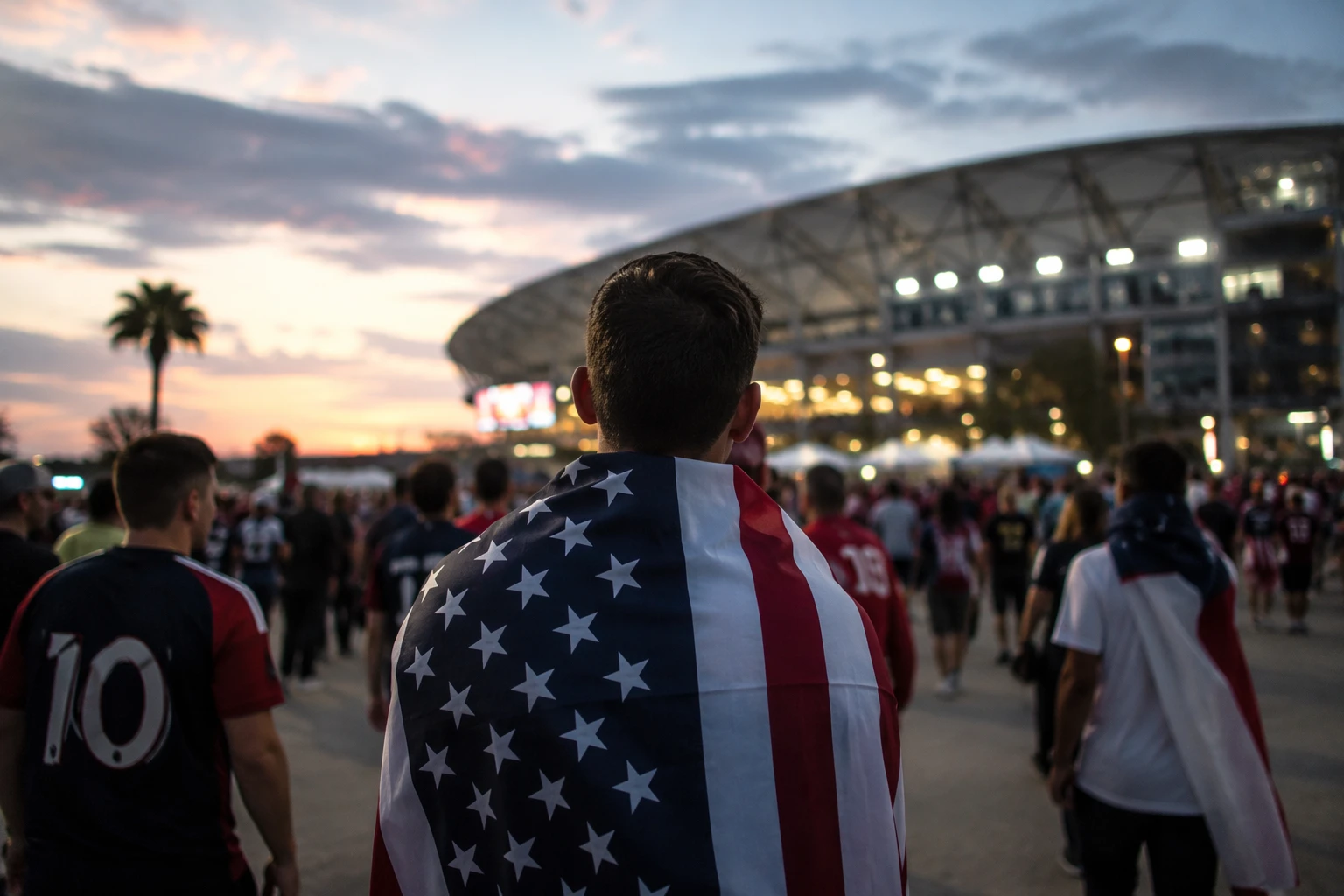
The marketing push reflects that ambition. MLS has said it is investing more in marketing than ever, and its 2026 campaign brings the league's 30 clubs under a single message built around fun rather than rivalries. The package includes a Magic Johnson spot, player spotlights, media elements, nationwide fan activations and a new Apple TV platform, a mix designed to keep World Cup viewers inside the MLS ecosystem once the national-team spotlight fades.
The conversion levers: pricing, stars and broadcast access
The hard part is not getting attention. It is making the next step easy enough that casual viewers repeat it. That is where pricing and access start to matter, especially in a league that still has to persuade a viewer to move from a free national-team match to a paid club habit, whether through tickets, subscriptions or streaming. Alan Rothenberg, the architect of the 1994 World Cup legacy, has also pointed to dynamic pricing in comparing the 1994 and 2026 preparations, a reminder that affordability will shape whether a first visit becomes a second one.
Stars can help, but only if they are attached to a clear path for the new fan. MLS already has evidence that star power can translate into broader interest: earlier league coverage tied Lionel Messi to record attendance marks and expanded sponsorship revenue, and MLS communications say 2026 viewership is up 62% across platforms. That kind of momentum gives clubs a chance to turn a World Cup fan into someone who follows a local team, but it only works if the star or the story is easy to find again next week.
Broadcast access is the other half of that equation. The move to a new Apple TV platform gives MLS a cleaner on-ramp for viewers who discover soccer during the tournament and then look for the next match. In a sports calendar crowded with NFL, NBA, MLB and college football, convenience is not a soft issue. It determines whether a curious viewer lands on an MLS game in one click or loses the thread before the season reaches its next marquee weekend.
Why youth pipelines decide whether the bump lasts
The longest-lasting version of the World Cup effect still runs through kids. The 1994 tournament did not just create television memory; it produced institutions that keep feeding participation, and the U.S. Soccer Foundation remains the clearest example of that path from event revenue to grassroots access. Its grantmaking in all 50 states and Washington, D.C., shows how World Cup money can become fields, coaches and entry points rather than a temporary spike in searches and social chatter.
That pipeline is why the 2026 question is bigger than one tournament or one league season. If the new attention pushes more children into organized soccer, more families into stadiums, and more fans into repeat viewing on MLS's broadcast platforms, the World Cup will function as a growth catalyst the way 1994 did. If it does not, the league will still have enjoyed a surge in crowds and visibility, but the numbers will fade back into a familiar pattern of short-lived spikes.
MLS already has the ingredients for a lasting lift: the strongest three-year run of fan growth in its history, record-setting attendance, higher viewership and a marketing machine built to catch World Cup attention in real time. The difference between a boom and a bump will be whether those first-time fans can find a price, a star, a broadcast and a local team worth coming back for.
Sources
- [1]npr.org
- [2]linkedin.com
- [3]ussoccerfoundation.org
- [4]sportingnews.com
- [5]cronkitenews.azpbs.org
- [6]lagalaxy.com