World
Canada boosts wildfire science and mass timber fire testing in Ottawa
Natural Resources Canada set up a Centre of Excellence for wildfire innovation and resilience in July 2025 as Ottawa’s fire-safety labs widened their focus from building fires to the forest. The Canadian Forest Service now provides wildland fire intelligence and predictive services, and its work feeds a 10-year strategic plan to build national wildland fire science capacity. The National Research Council of Canada’s Ottawa facilities keep running material burn tests, fire-resistance trials and protection-system development for builders, regulators and insurers trying to keep homes and communities safer as wildfire seasons intensify.
Natural Resources Canada leads national strategic programs and initiatives for wildland fire management. Its research now includes climate-change impacts, peatland fires, carbon emissions and WildFireSat monitoring. The Canadian Forest Fire Danger Rating System remains the principal source of fire intelligence for wildland fire management agencies, making predictive science a core part of how Canada plans crews, equipment and evacuations when fire risk rises across provinces.
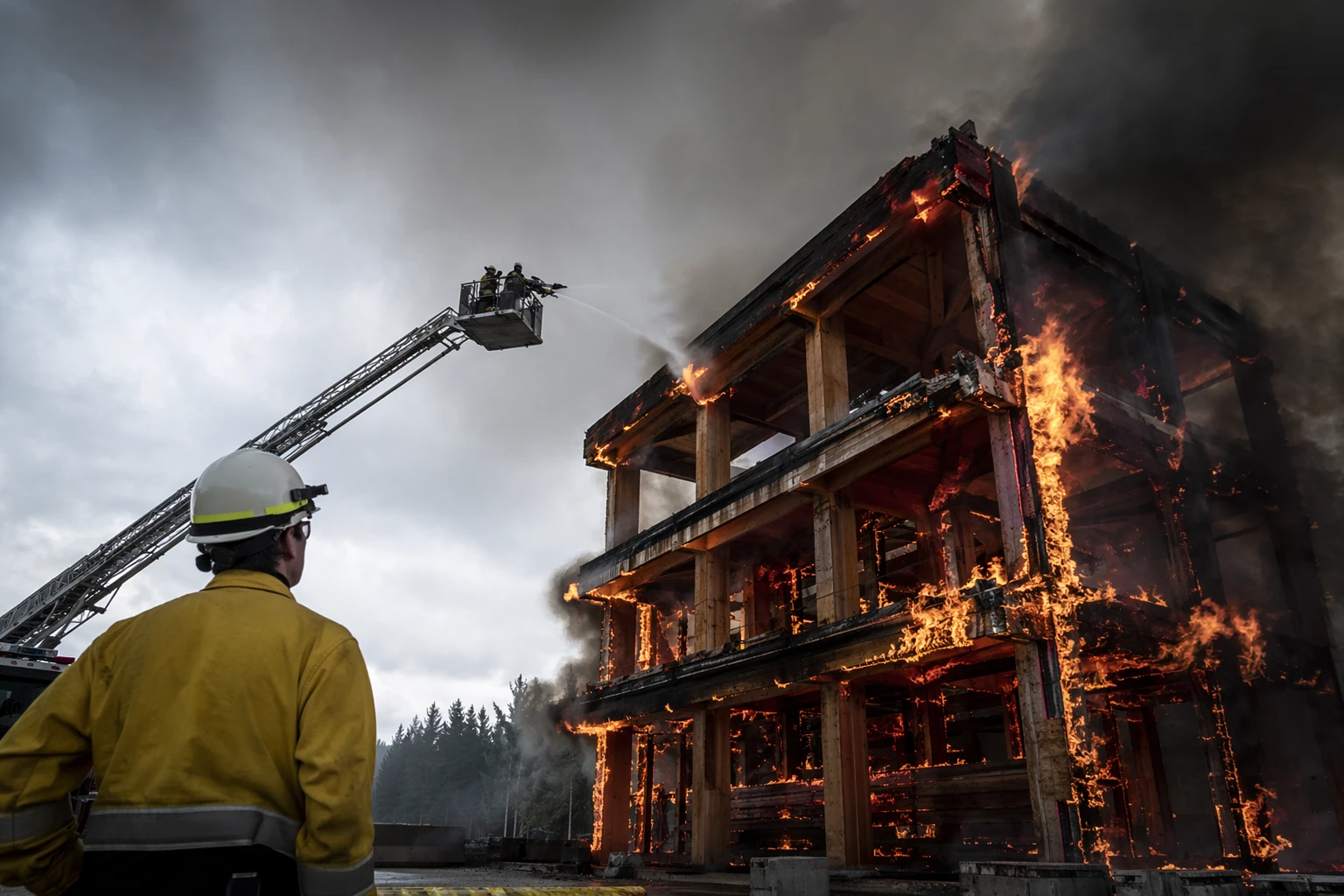
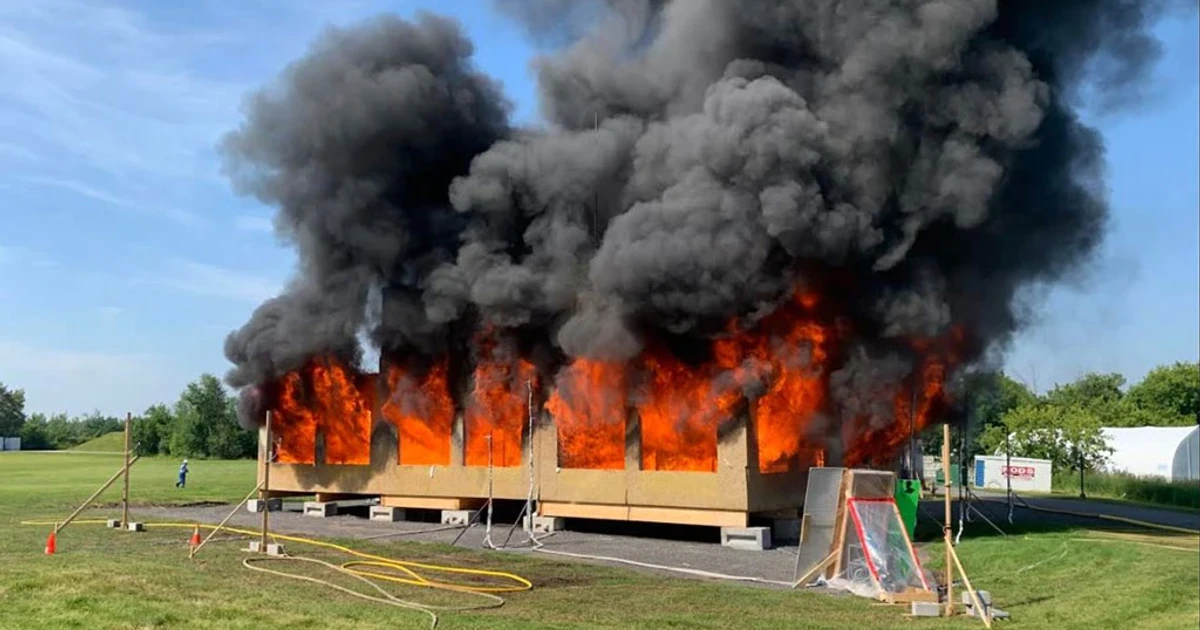
In June 2022, the Canadian Wood Council worked with federal and provincial governments and other organizations on five fire research burns on a full-scale mass timber structure in the city. The program supported market acceptance of tall and large mass timber buildings in Canada and backed the 2020 National Building Code’s new provisions allowing 12-storey mass timber buildings. At the Canadian Explosives Research Laboratory, the largest burn involved a two-storey, 3,700-square-foot structure, and more than 150 experts from across Canada watched fire officials, regulators, insurance representatives, engineers and architects evaluate the results.

In August 2025, the Canadian Association of Fire Chiefs urged Ottawa to create a national wildfire-response or coordination agency, arguing the federal government should stop studying the idea and move ahead. Fire chiefs said a small office could help ensure personnel and equipment are properly dispersed during emergencies, a problem that becomes more urgent as fire seasons lengthen.
Sources
- [1]nytimes.com
- [2]natural-resources.canada.ca
- [3]navigator.innovation.ca
- [4]cwc.ca
- [5]ottawaconstructionnews.com
- [6]cbc.ca
- [7]canada.ca