Business
Canada eyes West Coast pipeline to cut U.S. trade dependence
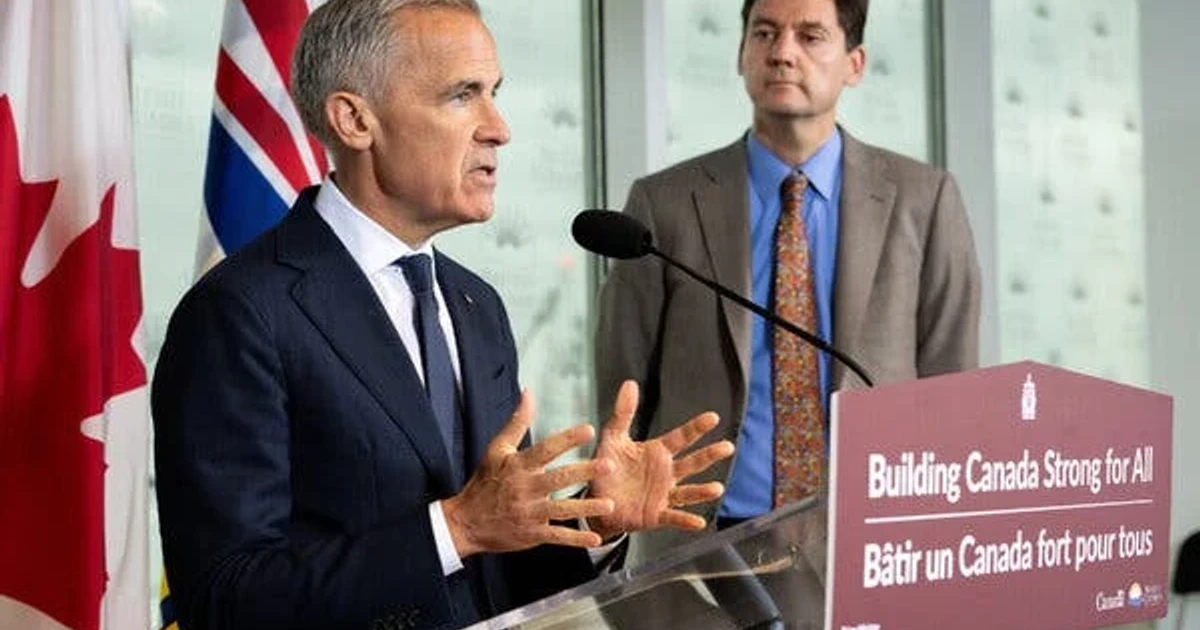
Canada sent 93% of its crude exports to the U.S. in 2024, and U.S.-bound crude shipments fell 4.0% in 2025 to 222.7 million cubic metres, the first year-over-year decline since 2020. Canada is weighing a new Alberta-to-Pacific Coast oil pipeline and a wave of natural-gas projects designed to loosen its trade dependence on the United States and push more energy toward Asia.
The pipeline concept has become part of Prime Minister Mark Carney’s effort to make Canada less exposed to U.S. trade pressure. Carney’s first five nation-building projects were projected to add about C$60 billion to the economy, and he later added seven more initiatives for accelerated approval, including energy and natural resources proposals. Among the ideas under discussion is a West Coast bitumen line from Alberta that earlier federal-provincial planning put at an additional 300,000 to 400,000 barrels a day; more recent estimates put the potential capacity at as much as 1 million barrels a day.
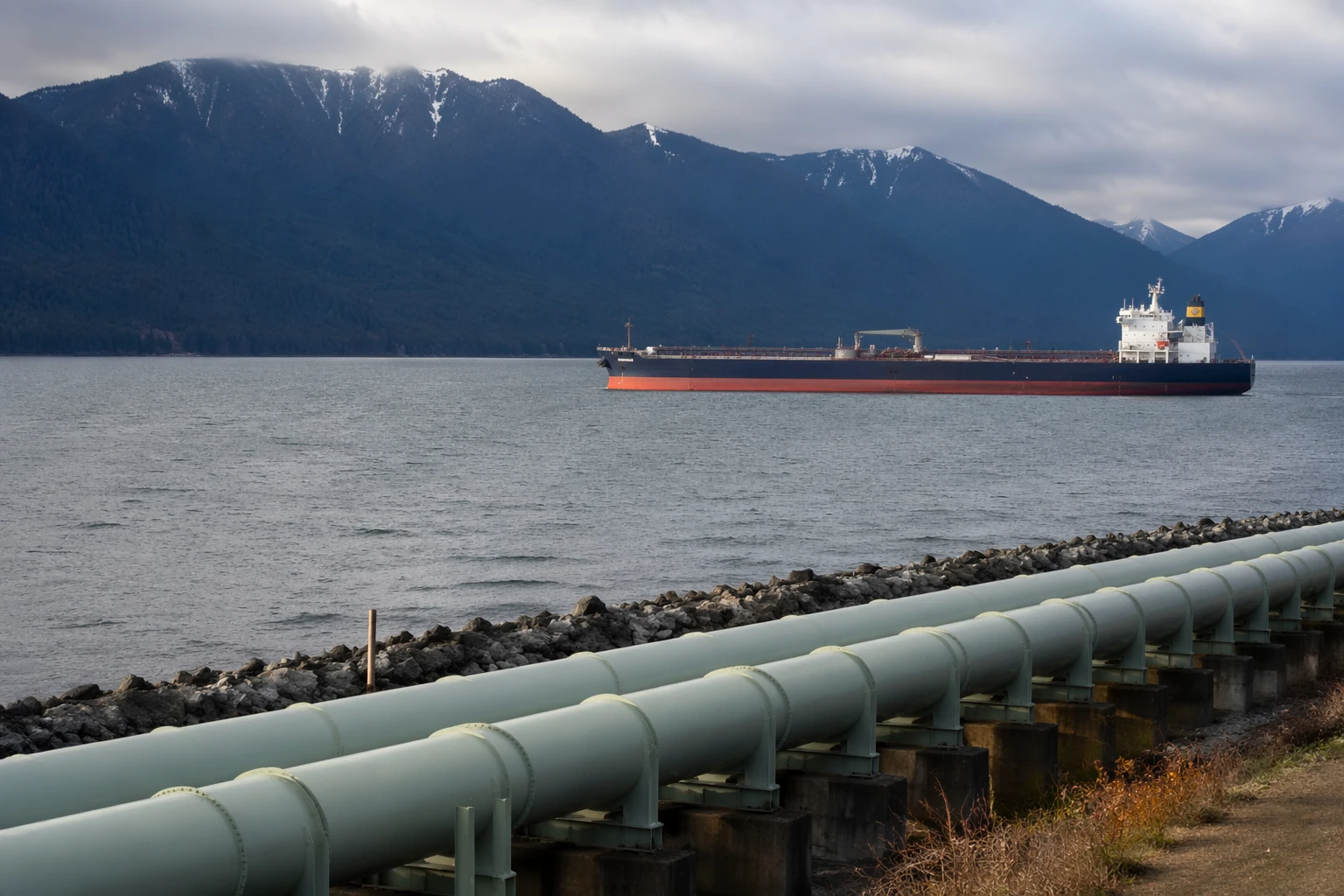
Any new line would enter a West Coast corridor that is already crowded. Trans Mountain’s expanded system began commercial operations in May 2024 and now has nominal capacity of 890,000 barrels a day. The Canada Energy Regulator puts the expansion at nearly triple the system’s capacity and about 700% more western Canada tidewater export capacity, opening the door to more shipments into Asia as crude moved through British Columbia. Those increased shipments helped Canadian crude reach new Asian markets in 2025.
The oil tanker moratorium regulates vessels carrying crude oil or persistent oil to or from ports on British Columbia’s north coast, and Ottawa intends to keep that northern ban in place even while advancing the pipeline concept. That would sharpen the fight over whether Alberta can get new export capacity without putting more oil tankers on sensitive coastal waters, a debate that affects British Columbia, environmental groups, Indigenous communities and shippers alike.

Carney’s earlier energy agreement with Alberta Premier Danielle Smith included provisions on Indigenous consultation and the possibility of co-ownership. The project still lacks a private developer and would face a long federal review.
Sources
- [1]nytimes.com
- [2]cer-rec.gc.ca
- [3]statcan.gc.ca
- [4]transmountain.com
- [5]tc.canada.ca
- [6]cbc.ca
- [7]globalnews.ca
- [8]transportation.canada.ca