Business
Canada Picks Sweden’s Saab for New Military Plane Fleet
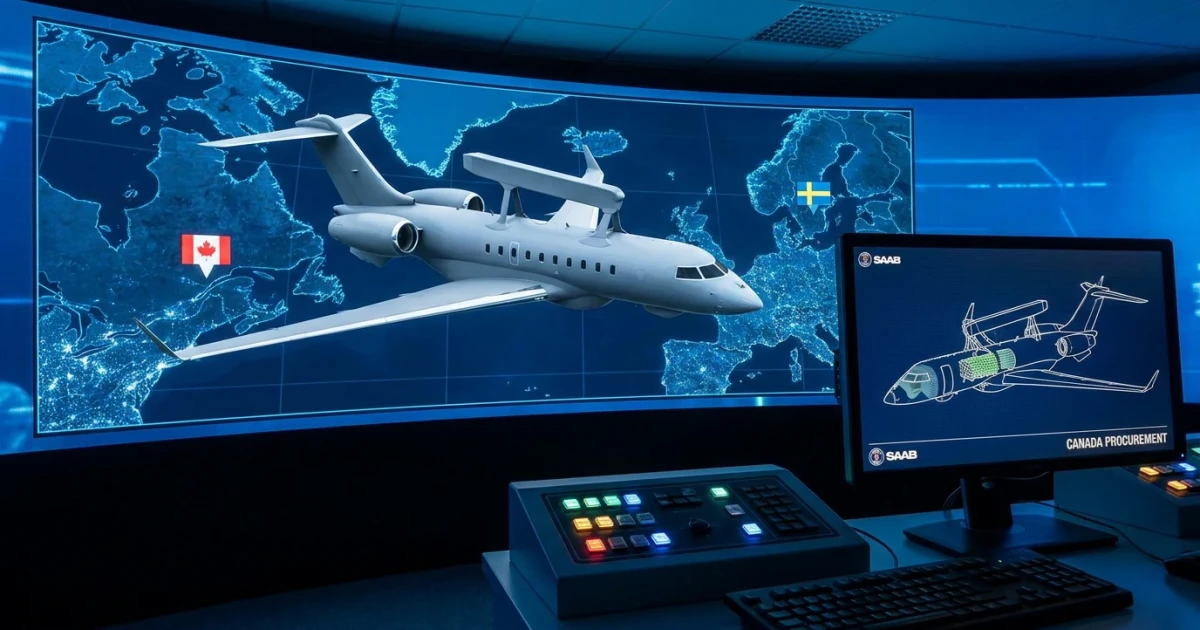
Canada has announced plans to acquire a new fleet of military planes from Sweden, opting for Swedish-made airborne early warning and control (AEW&C) aircraft over longstanding US alternatives. This decision represents a significant shift in the country’s defense procurement strategy, with implications for both military interoperability and international partnerships.
Move Away from US Suppliers
The Canadian government’s decision to purchase Swedish early warning planes, as reported by The Guardian, marks a departure from its historical reliance on US-made military aircraft. Traditionally, Canada’s air force acquisitions have favored American suppliers, citing both interoperability with NATO and established defense relationships.
However, according to The Guardian, the new agreement will see Canada order advanced AEW&C systems from Saab, Sweden’s leading defense manufacturer. The Swedish aircraft are believed to offer advanced sensor capabilities, robust multi-domain surveillance, and modern communications suites suitable for Canada’s evolving defense needs.
Why Canada Chose Sweden
- Technological Edge: The Swedish AEW&C platforms, likely the Saab GlobalEye, are recognized for their multi-role radar, long-range detection, and adaptability to varied mission sets.
- Competitive Procurement: Analysts note that the selection process considered both technical performance and cost-effectiveness, with the Swedish offering reportedly surpassing US options in key requirements.
- Strategic Independence: The move may signal Canada’s desire for greater flexibility in defense partnerships, balancing close ties with the US against diversification of suppliers and technology sources.
Implications for Canada’s Military and Its Allies
The new Swedish aircraft will enhance Canada’s capabilities for airspace surveillance, command and control, and rapid response to emerging threats. These functions are crucial for fulfilling Canada’s commitments to NATO and North American defense through NORAD.
While the decision to buy from Sweden could enable Canada to field some of the most modern AEW&C technologies available, it may also require additional investment in integration and training to ensure compatibility with existing fleets and allied operations. The Guardian notes that this procurement marks “a shift from US suppliers,” underlining both the strategic and practical changes involved.
Context and Next Steps
This shift in procurement strategy comes amid growing global competition in the defense aerospace sector. Sweden’s defense industry has increasingly positioned itself as a competitive alternative to US and European giants, with Saab’s GlobalEye system already attracting interest from several countries seeking advanced surveillance platforms.
Canadian officials are expected to finalize contract details and outline delivery timelines in the coming months. Once operational, the new planes will replace aging systems and significantly bolster Canada’s airborne early warning capabilities.
Looking Ahead
Canada’s decision may have ripple effects across the defense procurement landscape, encouraging other NATO members to consider alternatives to traditional US suppliers. With a focus on both innovation and strategic autonomy, the move reflects evolving priorities in national defense planning.