Business
Canada says USMCA talks with Washington are productive and respectful
Canada’s ambassador to the United States said talks with Washington over the future of USMCA and related tariffs have been productive and respectful, a calm reading of a negotiation that could reshape prices, jobs and investment across North America. For automakers, farmers and manufacturers, the real question is whether the three countries preserve the framework that keeps parts, crops and industrial inputs moving across the border.
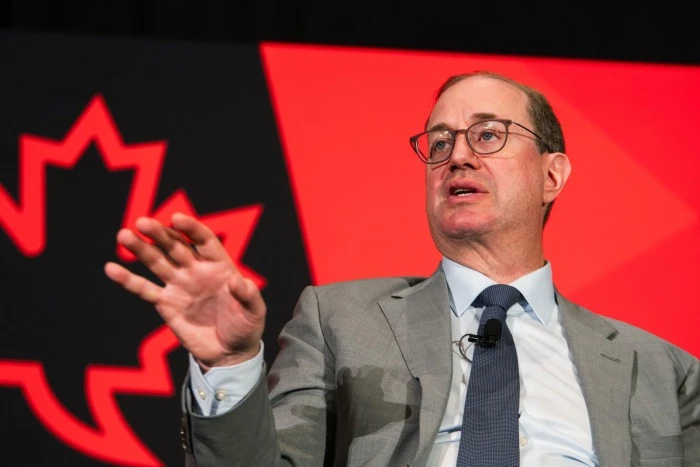
Mark D. Wiseman, speaking at a fireside chat in Toronto, described the discussions as rational, collaborative and businesslike. His tone stood out because the stakes are rising fast: the first mandatory joint review of the Canada-U.S.-Mexico Agreement is scheduled for July 1, 2026, and the deal is already under strain from tariff pressure and political skepticism in Washington.
The agreement entered into force on July 1, 2020, and it can be extended for another 16 years if all three countries agree. If they do not, annual reviews would follow until the pact expires in 2036. That gives the current round of talks unusual leverage, especially after Donald Trump signaled that the United States might not renew the free-trade deal and argued that the country does not need anything from its North American neighbors.
Ottawa has tried to frame the review as tightly focused. The government said it wants the process to be narrow and targeted, preserve U.S. market access and secure a prompt 16-year extension, while also considering modernization on issues such as economic security. Global Affairs Canada said its 2024 consultation drew 137 written submissions, and stakeholders backed a “do no harm” approach. Canada also held a public consultation from September 20 to November 3, 2025.
Washington has set out its own process. The Office of the U.S. Trade Representative opened a public consultation in September 2025 and scheduled a public hearing for November 17. It said the first bilateral round with Mexico related to the joint review concluded on May 29, 2026, with discussions centered on automotive rules of origin, steel and aluminum, and economic security.
Tariffs remain part of the immediate backdrop. On June 3, 2026, Canada said it would extend key steel and aluminum tariff measures for one year. At the same time, the American Automotive Policy Council said USMCA has supported more than $210 billion in U.S. automotive investment since implementation, underscoring how much capital is tied to the agreement’s rules.

Business groups on both sides of the border have warned against disruption. The Canadian Chamber of Commerce has said the pact is critical to North American competitiveness, while the National Association of Manufacturers calls USMCA the foundation of North American manufacturing strength. Wiseman’s careful language suggests the talks are still manageable, but the outcome could determine whether continental supply chains stay stable or face another round of costly uncertainty.
Sources
- [1]usnews.com
- [2]ustr.gov
- [3]canada.ca
- [4]international.canada.ca
- [5]americanautomakers.org
- [6]cbc.ca