World
Canada seeks 10 founding members for proposed global defense bank
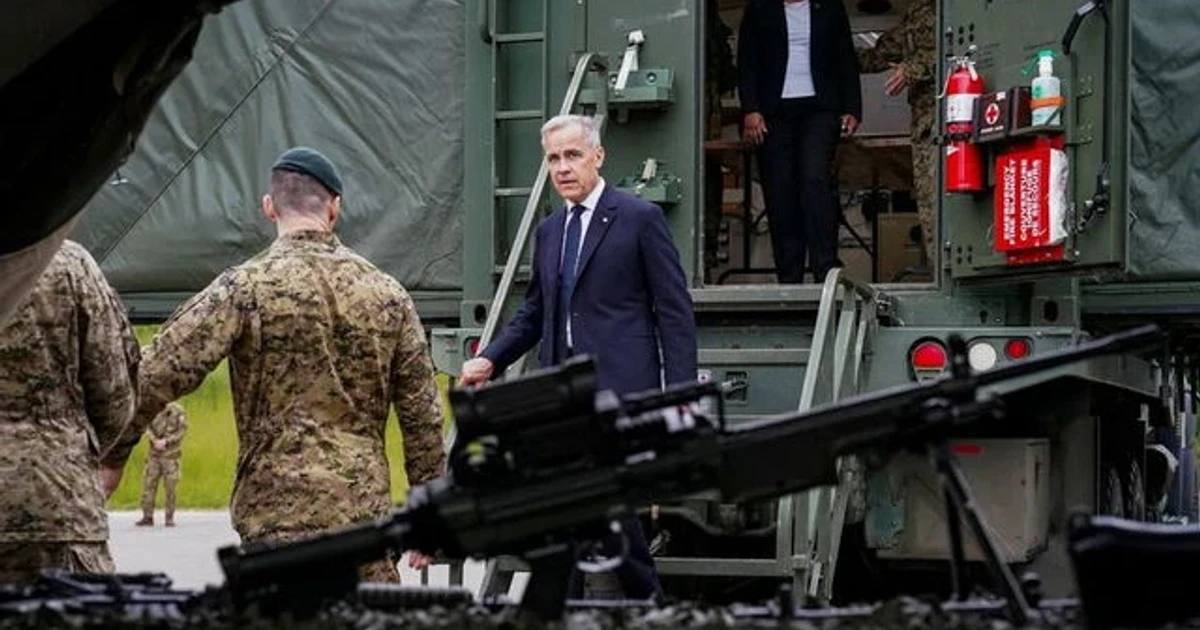
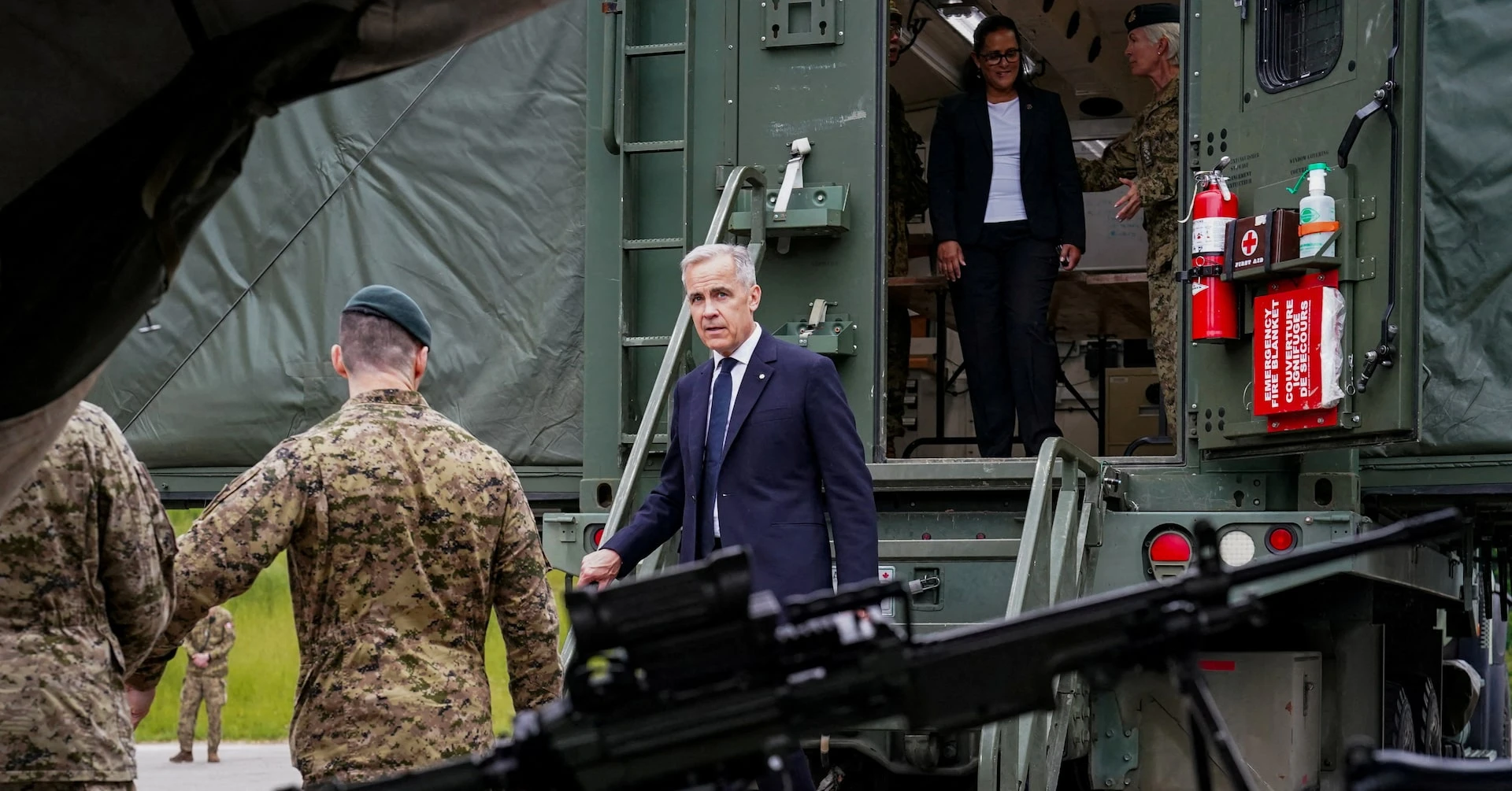
Canada is trying to turn a long-running idea into a real financing arm for Western rearmament, with Ottawa hoping to unveil around 10 founding countries for the proposed Defence, Security and Resilience Bank at next week’s NATO summit in Ankara. The bank is pitched as a way to raise up to 100 billion pounds, about $133 billion, in low-cost financing for defence capabilities, supply chains and resilience, but the final list of backers is still being negotiated.
The proposal matters because it would fill a gap that NATO budgets, export-credit systems and private capital do not. NATO’s own budgets fund alliance operations, not a standing lender. Export-credit agencies usually back national exporters, not a pooled allied financing tool. Private lenders can be expensive or short-term. The DSRB is meant to sit in between, offering long-term, low-cost financing for defence, security and resilience projects across supply chains, including support for small and medium-sized firms.
Prime Minister Mark Carney has made the bank part of a broader argument for closer cooperation among middle powers as the U.S.-led world order becomes more fractured. Canada’s finance department has tied the project to Budget 2025, which included more than $80 billion in defence investments, and to the government’s new Defence Industrial Strategy.
The project has moved beyond concept stage. Canada hosted in-person negotiations in Montréal from March 23 to March 26, 2026, with representatives from 18 countries working on the bank’s charter. Ottawa said on April 29 that those talks had concluded and that, once ratified, Canada would host the bank’s future headquarters. Isabelle Hudon, Canada’s lead negotiator and chief executive of the Business Development Bank of Canada, has said the government wants to announce the founding members, while stressing that the plan is not yet locked in because capital commitments and other details are still being negotiated.
Hudon has emerged as the key broker for the project. BDC says she became the lender’s first woman CEO in August 2021, and her mandate was renewed through 2030 on May 29, giving Canada continuity as the talks move toward the summit. Luxembourg is the only country that has publicly committed so far and is expected to serve as the bank’s European base. Hudon has said discussions with South Korea have been constructive and put its chances of joining at roughly fifty-fifty, while no other G7 country is close to signing on.
The decisive test now is whether enough governments join to persuade credit-rating markets that the bank can borrow cheaply and keep its lending cost low. An Atlantic Council report said the concept was first briefed to NATO’s secretary general’s office in 2019, appeared in a 2020 paper and a 2023 Financial Times op-ed, and could be operational as soon as 2027. The same analysis warned that persistent underinvestment by allies below NATO’s 2% of GDP target remains the central obstacle.
Sources
- [1]usnews.com
- [2]canada.ca
- [3]atlanticcouncil.org
- [4]nato.int
- [5]bdc.ca
- [6]politico.eu