World
Canada tightens border rules, squeezing Syrians and Haitians seeking refuge
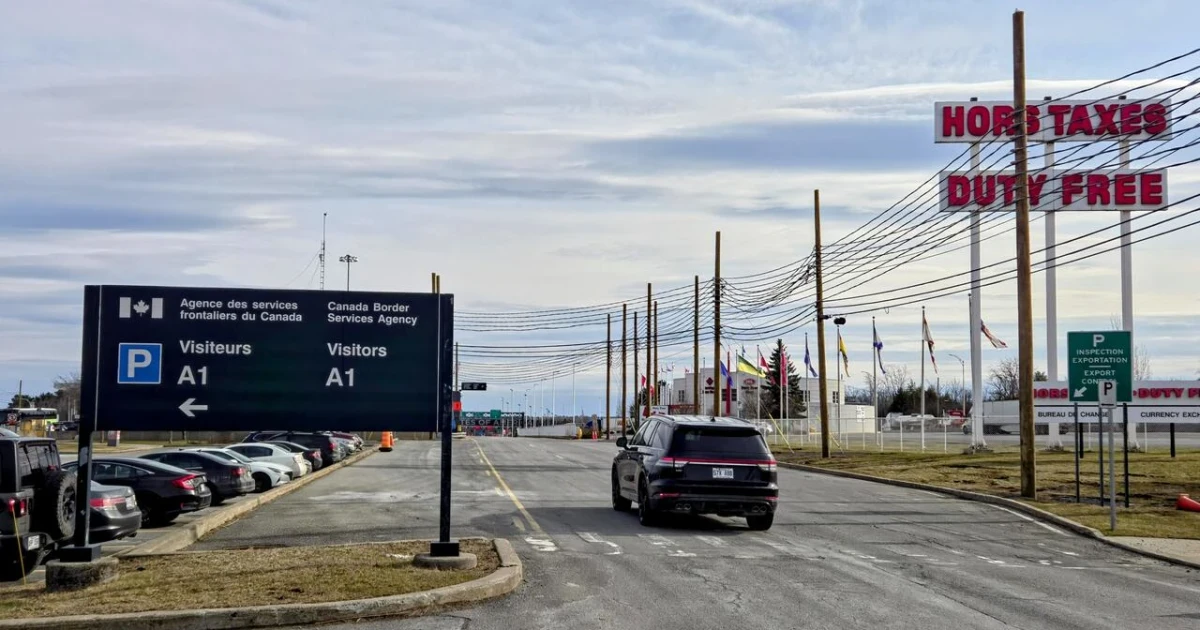
The U.S. Supreme Court cleared the way on June 25 for the Trump administration to end deportation protections for Syrians and Haitians, adding new pressure to people already searching for a way out of the United States. Canada has been closing the door at the same time, tightening a route that many migrants once viewed as a last-resort escape hatch.
The Canada-U.S. Safe Third Country Agreement, signed in 2002 and put into effect in December 2004, bars most asylum seekers who arrive from the United States unless they qualify for an exception such as close family in Canada or being an unaccompanied minor. Canada widened the agreement in March 2023 so it applies across the full length of the land border, not just at official ports of entry, making it harder for people to file claims after crossing from the U.S.
Ottawa has layered on more restrictions. The Strong Borders Act was introduced on June 3, 2025 as Bill C-2 and later became law as Bill C-12 in March 2026. The government said the new measures were meant to reduce pressure on the asylum system, protect against sudden spikes in claims, close loopholes and deter people from using asylum as a shortcut to regular immigration pathways. Immigration Minister Lena Metlege Diab has defended the broader powers while saying the government must still act fairly for people who genuinely need protection.
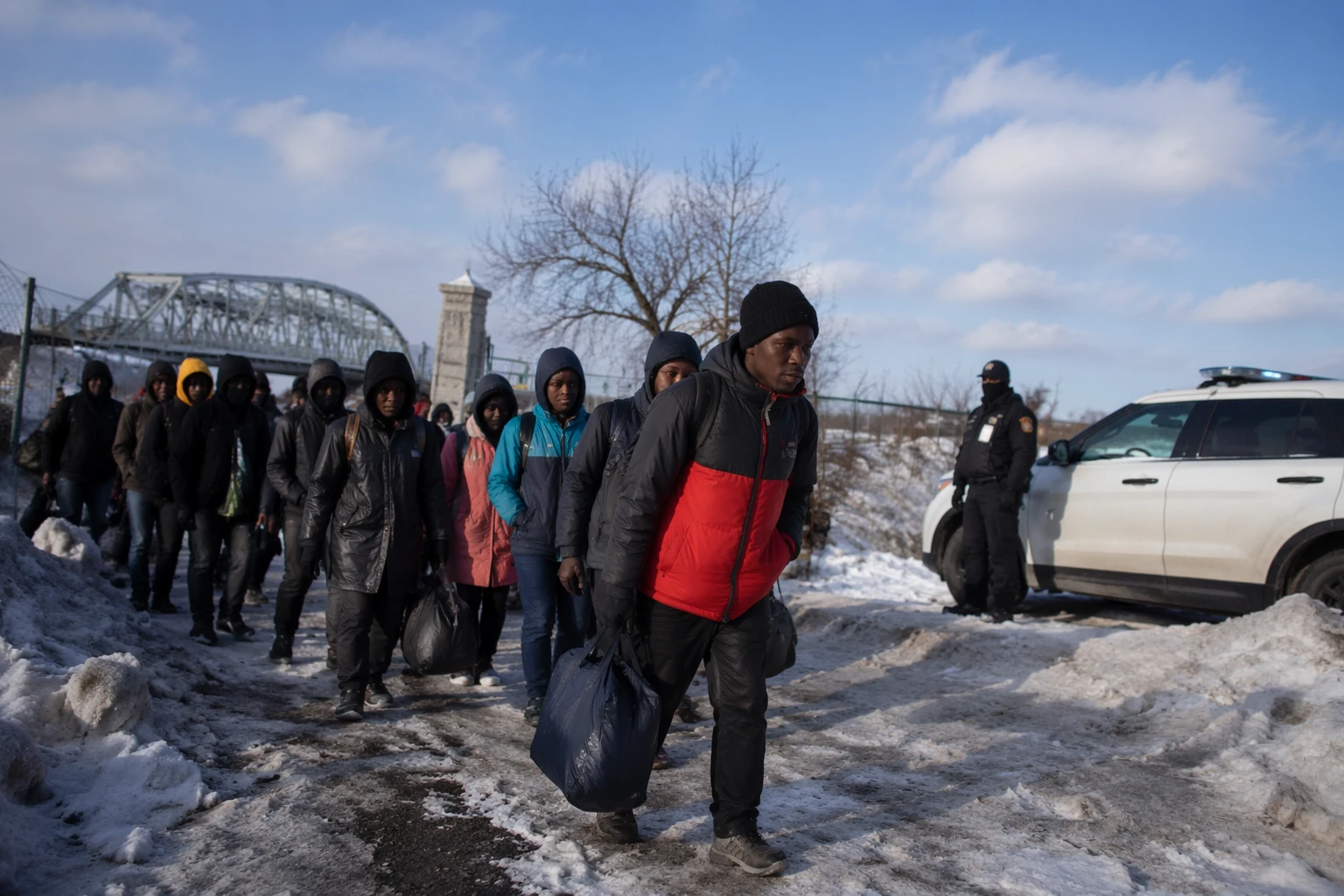
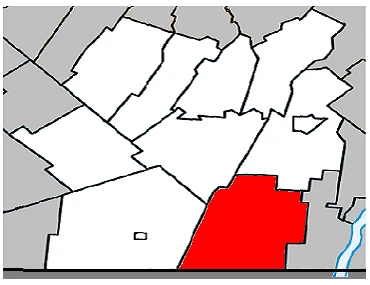
The practical effect is already visible at the Quebec-New York border. At the Saint-Bernard-de-Lacolle crossing, at least 557 migrants arrived in the first week of April 2025 alone, as Haitians fearing U.S. deportation moved north. For Syrians, the stakes are similar if protections disappear and U.S. status is lost: Canada’s rules can now block claims at the border and send many applicants back into the United States before their cases are heard.
That is exactly what critics warn against. Amnesty International Canada says the agreement sends people back to the United States despite detention and deportation risks. The Canadian Council for Refugees says Canada and the United States each declare the other safe for refugees under the agreement, even as vulnerable people are caught in the gap between the two systems. As U.S. protections fall away, Canada’s tighter border rules leave fewer exits for those trying to stay safe.
Sources
- [1]nytimes.com
- [2]canada.ca
- [3]centre.irpp.org
- [4]cbc.ca
- [5]amnesty.ca
- [6]cnbc.com