Health
Canada warns extreme heat and wildfire smoke can hit together
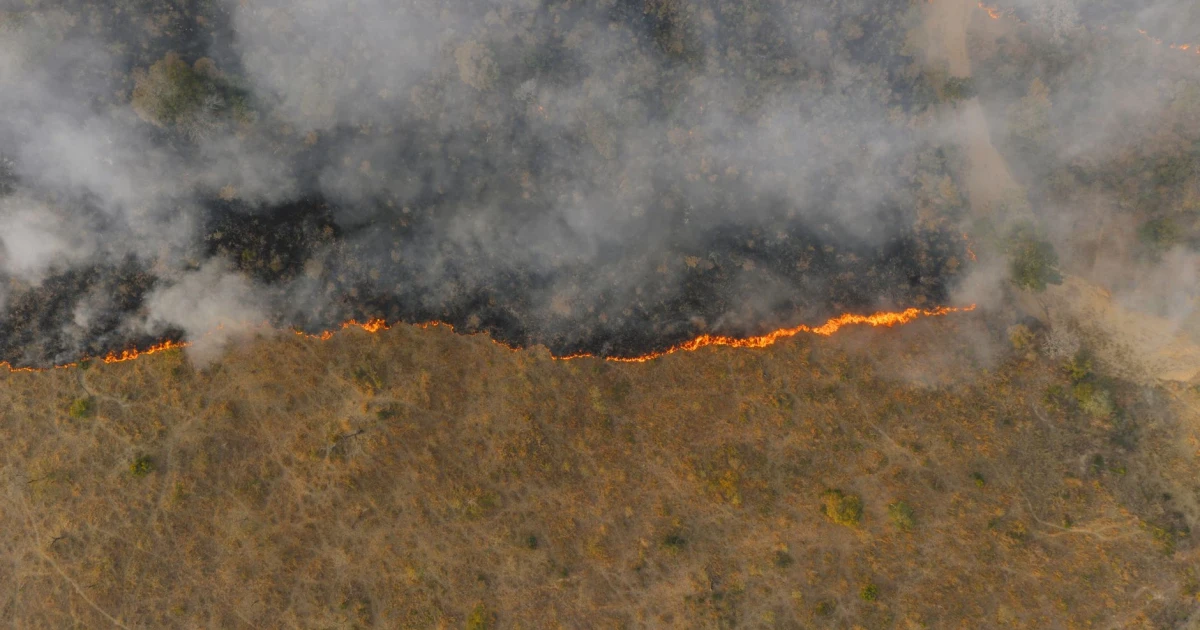
During wildfire season, which usually runs from April to October, wildfire smoke and extreme heat can arrive together in Canada, and Health Canada says overheating can be more dangerous than the smoke itself. The main health threat in wildfire smoke is fine particulate matter, or PM2.5, which can penetrate deep into the lungs. Smoke can also carry ozone, sulfur dioxide, nitrogen dioxide, carbon monoxide, volatile organic compounds and polycyclic aromatic hydrocarbons, adding to the strain on breathing and the heart when temperatures are already high.
Health Canada’s May 2024 review cited mortality, respiratory illness, cardiovascular illness, reproductive and developmental effects, mental health harms and disproportionate impacts on vulnerable populations. The Public Health Agency of Canada updated its Wildfires in Canada public-health toolkit in July 2024 to reflect the overlap between smoke and heat, and people should check the Air Quality Health Index and local air quality alerts before deciding how long to stay outside.
The people most exposed to the risks include seniors, young children, pregnant women, people with chronic conditions, outdoor workers and households without air conditioning. Those groups are more likely to have fewer options when skies turn hazy and temperatures remain elevated, especially in communities where cooling spaces are limited or hard to reach.
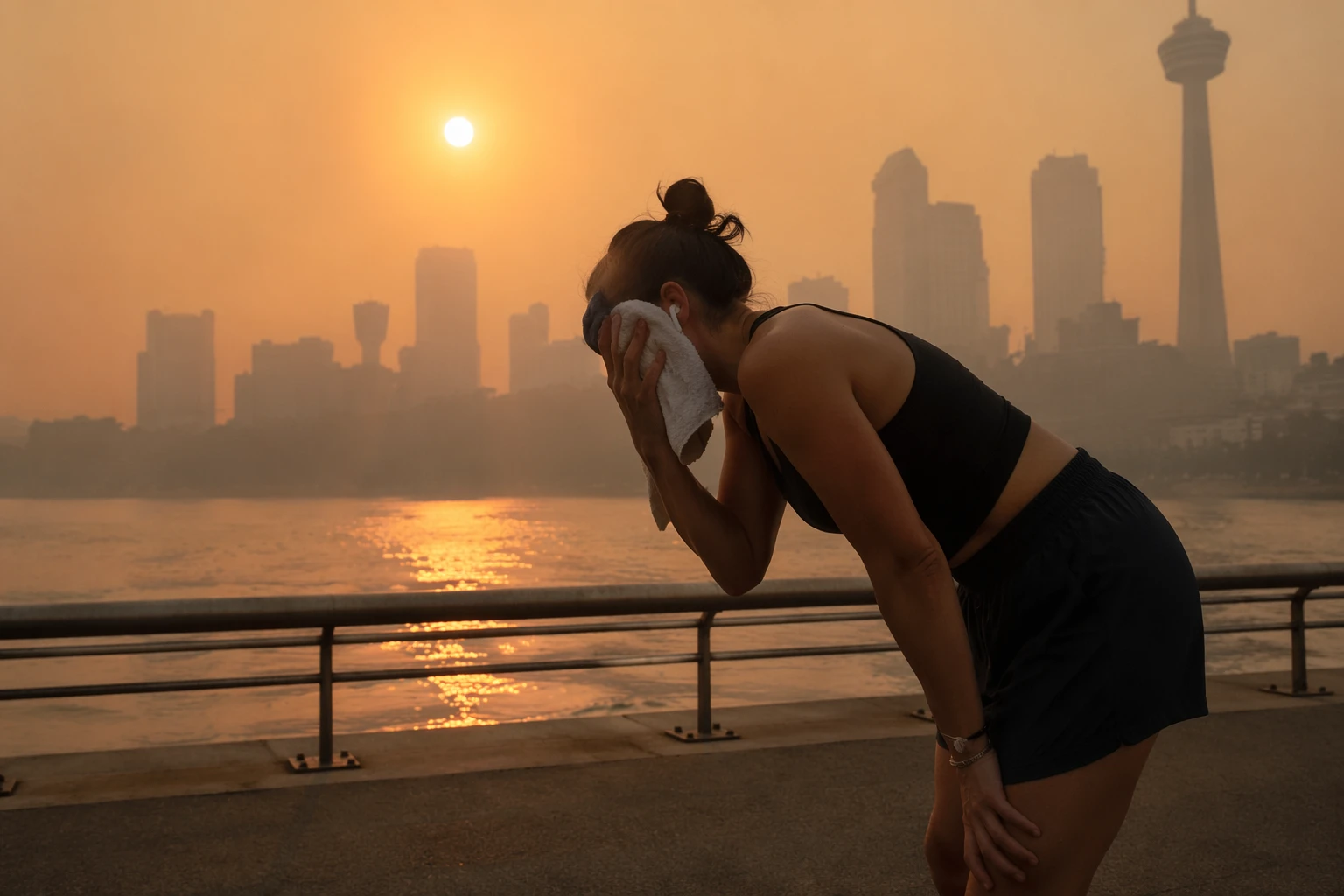
University of British Columbia research found that death risk rose when wildfire smoke pushed PM2.5 higher and temperatures climbed above 26 C. The analysis covered more than 21,000 deaths outside health-care settings in Greater Vancouver across 13 wildfire seasons from 2010 to 2022.
The study also flagged children and pregnant people as higher-risk groups, including a higher risk of preterm birth on hot days and smoky days.
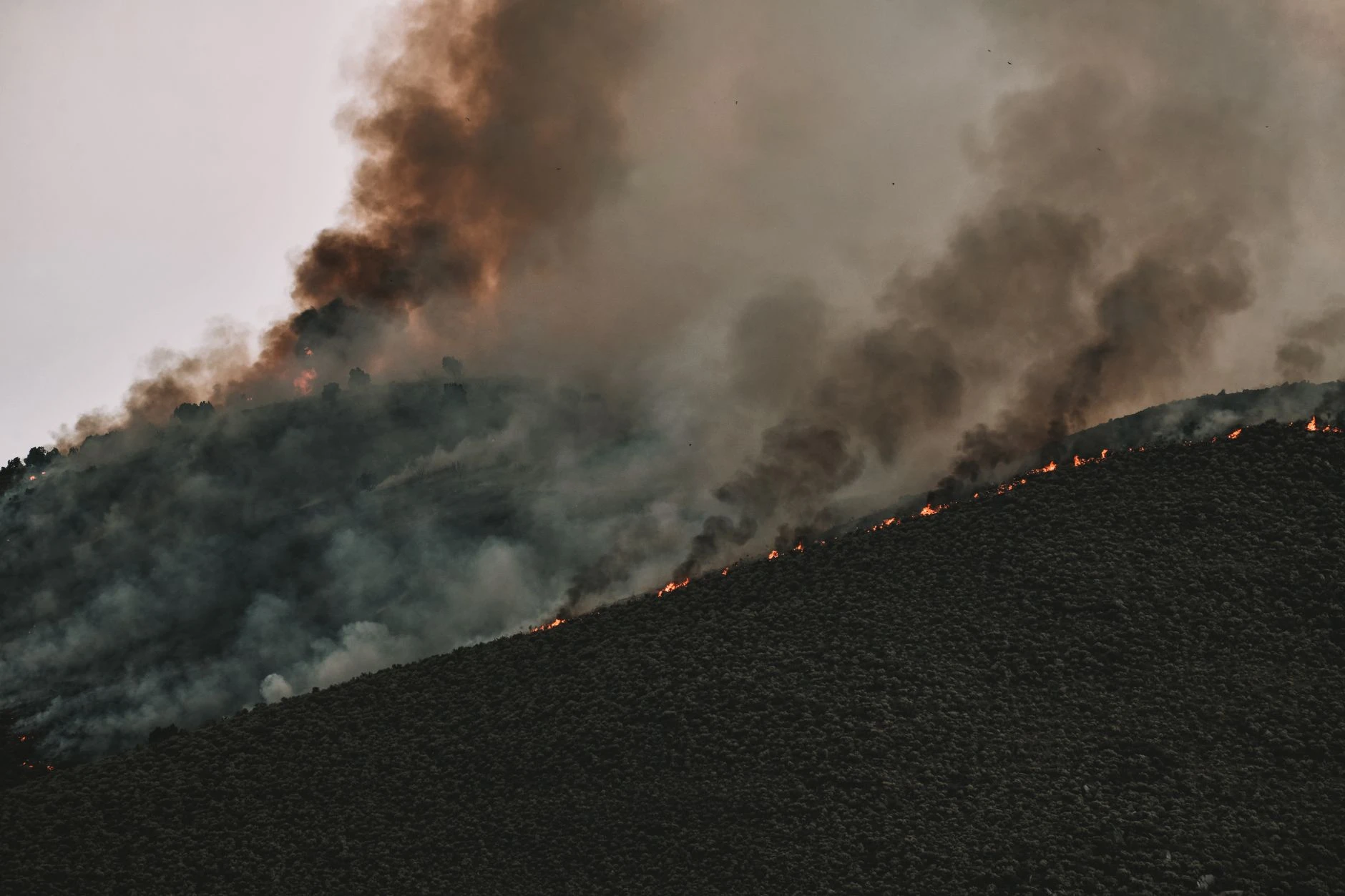
Canada’s chief public health officer, Dr. Sarah Henderson, said in July 2024 that emergencies caused by severe weather are becoming more frequent and complex. On July 15, 2026, Toronto’s air quality ranked worst among major cities globally as wildfire smoke from northwestern Ontario mixed with high temperatures across the region.
Sources
- [1]nytimes.com
- [2]canada.ca
- [3]ubc.ca
- [4]cbc.ca
- [5]reuters.com