Lifestyle
Canada Warns Travelers of Rising Risks in Popular Destinations
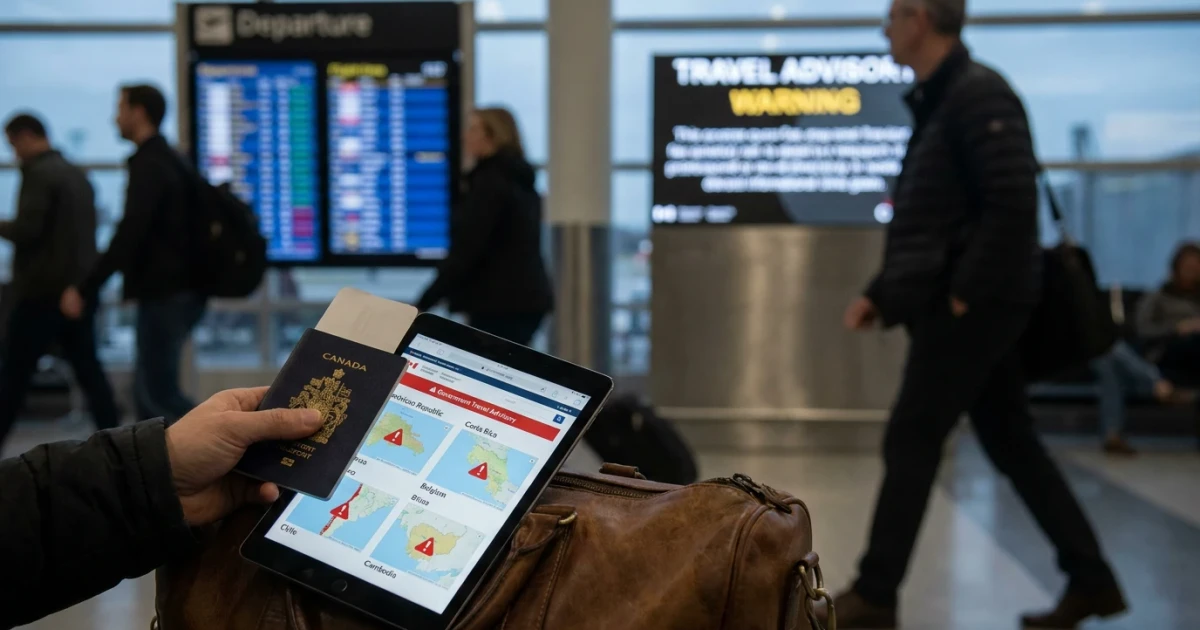
Canada has issued urgent travel advisories for five popular international destinations—Dominican Republic, Costa Rica, Belgium, Chile, and Cambodia—warning travelers of heightened risks associated with crime, terrorism, and potential civil unrest. The announcement, confirmed by Travel and Tour World, puts a spotlight on safety challenges facing some of the world's most-visited countries as tourism continues to rebound post-pandemic.
Elevated Warnings Across Favorite Vacation Spots
The new flash advisories from the Government of Canada reflect a growing trend among Western governments to update guidance as conditions change in popular tourist regions. While the Dominican Republic, Costa Rica, Belgium, Chile, and Cambodia have long attracted millions of international visitors each year, authorities now urge Canadians to exercise a higher degree of caution due to a combination of security concerns, including:
- Rising crime rates: Petty theft, armed robbery, and organized crime are reportedly on the uptick in several of these destinations, according to the latest Numbeo Crime Index.
- Potential for terrorism: Belgium, as a major European hub, continues to face threats from extremist groups, leading to ongoing vigilance by security services.
- Civil unrest: Chile and Cambodia have both seen periodic demonstrations and political tensions that can impact tourist safety, as detailed in OSAC Country Security Reports.
Tourism Data Shows Continued Demand Despite Risks
Despite these new warnings, international tourism data reveals that these countries remain highly sought-after by global travelers:
- The UN World Tourism Organization reports that the Dominican Republic welcomed over seven million international arrivals in the most recent year available, making it the leading destination in the Caribbean.
- Costa Rica continues to attract ecotourists and adventure travelers, with visitor numbers rebounding to near pre-pandemic levels.
- Belgium remains popular for its cultural heritage, while Chile and Cambodia draw visitors with their UNESCO World Heritage Sites, including Angkor and Valparaíso.
Safety and Security: What Travelers Should Know
The Canadian government's advisories are informed by ongoing analysis of local conditions and input from international sources. According to the U.S. Overseas Security Advisory Council, the specific risks highlighted in the respective countries include:
- Dominican Republic: Increased reports of violent crime and opportunistic theft, particularly in urban areas and resort corridors.
- Costa Rica: Petty crime, such as pickpocketing, in tourist hotspots and sporadic incidents of armed robbery.
- Belgium: Persistent terrorism threat, especially in major cities and transit hubs.
- Chile: Occasional protests and demonstrations that can disrupt transportation and lead to confrontations with authorities.
- Cambodia: Political rallies and isolated security incidents, especially in Phnom Penh and Siem Reap.
Travelers are advised to stay informed about local developments, register with their embassy, and follow official guidance on safety measures. The advisories also recommend reviewing travel insurance policies and keeping emergency contacts readily available.
Balancing Adventure and Awareness
While the new warnings may prompt some Canadians to reconsider or adjust their travel plans, tourism experts note that millions of people continue to visit these destinations each year without incident. The key, say officials, is to remain vigilant and informed, rather than avoid travel altogether. For those planning trips, checking the latest advisories, understanding local laws, and respecting any curfews or restrictions are essential steps for a safe and enjoyable experience.
With the global tourism landscape evolving rapidly, travelers are encouraged to use official resources such as the Government of Canada Travel Advisories and OSAC Security Reports to make informed decisions. As conditions change, staying flexible and prepared remains the best way to ensure both safety and adventure abroad.