World
Canada weighs joining Japan, Britain and Italy’s GCAP fighter program
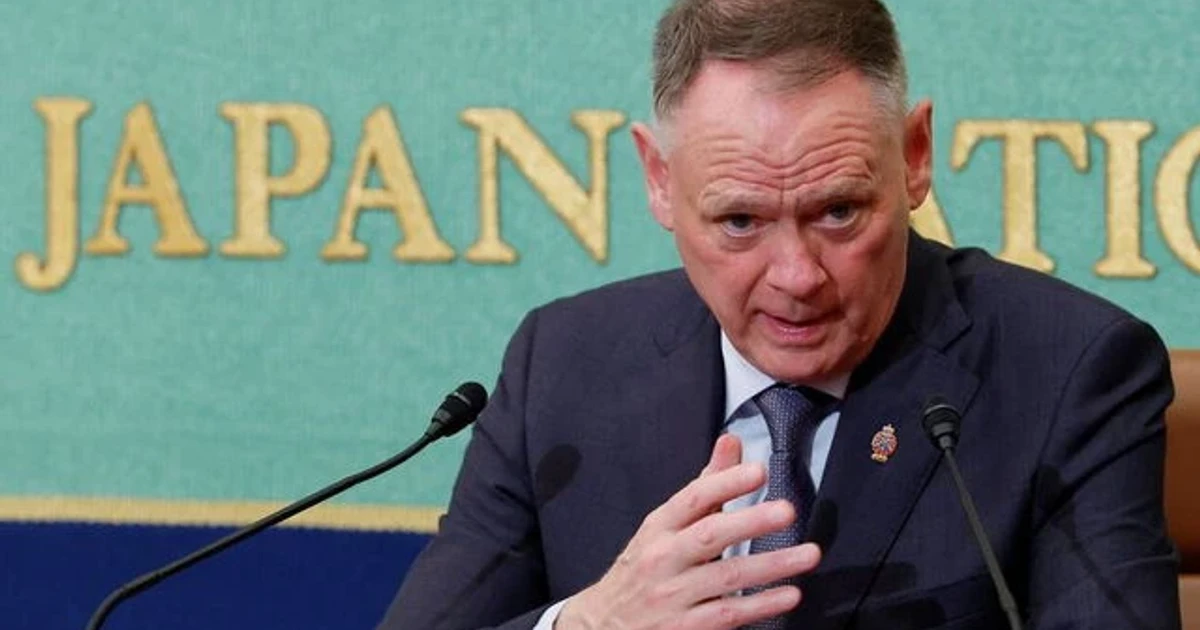
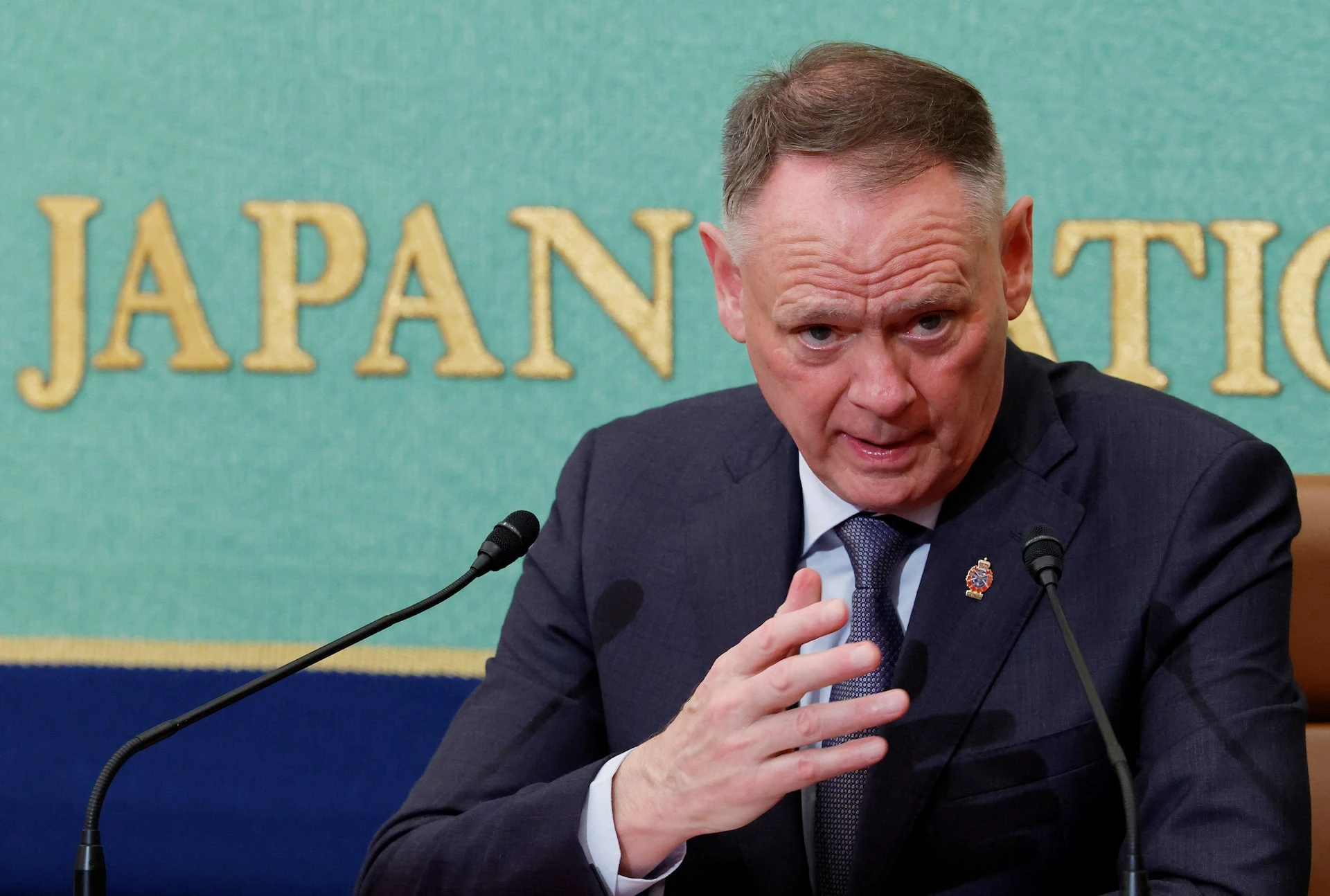
Canada is taking a closer look at the Japan-Britain-Italy GCAP fighter program as Defence Minister David McGuinty opened discussions in Tokyo with his Japanese counterpart, Gen Nakatani. McGuinty described the Global Combat Air Programme as a promising initiative and said he would take the information back to his team and see what it looks like, signaling that Ottawa is still weighing the idea rather than committing to it.
Any Canadian role would be the first expansion beyond the three founding members of a project that was launched in December 2022 and formalized with a treaty signed on December 14, 2023. Japan, the United Kingdom and Italy have said GCAP is intended to deliver a next-generation fighter aircraft by 2035, with the GCAP International Government Organisation set up to run the effort. In November 2024, the three governments said the headquarters would be in the UK, that Japan would provide the first agency chief executive, and that Italy would take the first industry-joint-venture leadership role. By July 2025, they said the new headquarters in Reading, England, had opened and that Edgewing, the joint venture uniting BAE Systems, Leonardo and Japan Aircraft Industrial Enhancement Co. Ltd., had been launched.
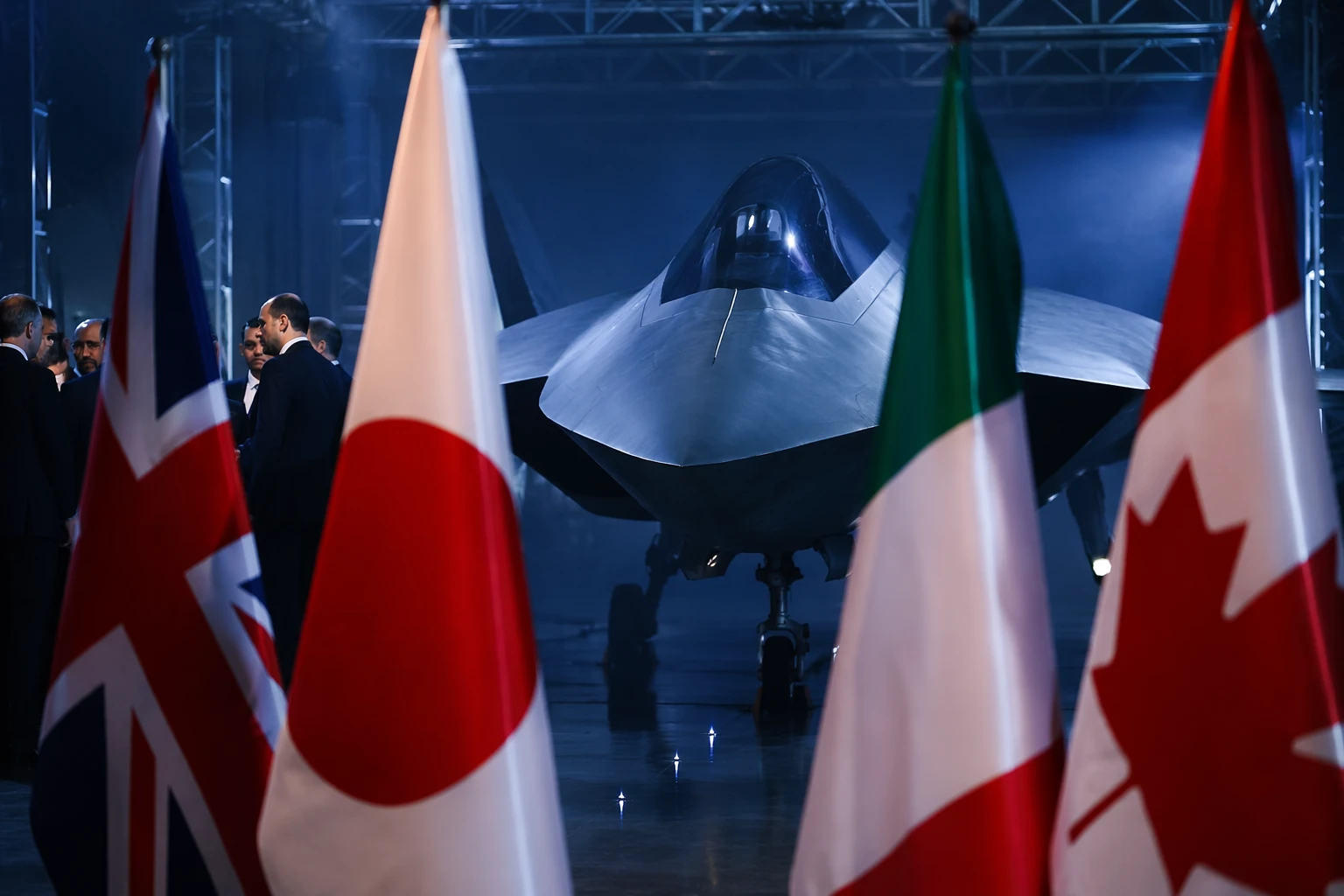
For Canada, the timing is tied to pressure inside its own fighter fleet. Ottawa has already committed to 88 F-35A aircraft under the Future Fighter Capability Project, with the first aircraft expected in Canada in 2028 and full operational capability forecast for 2032 to 2034. The CF-18 fleet is being extended to remain operational until 2032, when it will be 50 years old. The Office of the Auditor General reported in June 2025 that F-35 project costs had climbed significantly from the government’s 2022 estimate of C$19.0 billion, sharpening the debate over whether Canada should look for more affordable long-term airpower partnerships.
GCAP offers more than another aircraft purchase. The three partners have framed it as part of a wider combat air system designed to support interoperability with the United States, NATO, Europe and partners in the Indo-Pacific, which makes the project as much about alliance alignment as industrial policy. Officials and executives in Italy have already floated Canada, Saudi Arabia and Germany as possible future partners or observers, a sign that the program is building a wider coalition around shared development costs, technology access and the next division of aerospace work. For Ottawa, even an exploratory role would point to a shift in security priorities: deeper engagement in the Indo-Pacific, closer industrial links with allies beyond North America, and a more explicit bet that future airpower will be built through multinational programs rather than bought off the shelf.
Sources
- [1]usnews.com
- [2]gov.uk
- [3]canada.ca