Sports
Canadian fans welcome World Cup, but uneasy about U.S. tensions

For Canadian soccer fans, the 2026 World Cup has become a test of civic pride as much as a sporting celebration. Canada is co-hosting the men’s tournament with the United States and Mexico for the first time, but the buildup has been shadowed by strained Canada-U.S. relations, including Donald Trump’s revived 51st-state rhetoric and fresh tariff fights.
In Toronto, that tension is shaping how some supporters talk about the event. One fan said the World Cup ought to bring countries together, but the United States does not feel like a strong example of unity right now. That unease sits alongside genuine excitement over Canada’s role on soccer’s biggest stage, a rare chance to welcome the world without crossing a border.
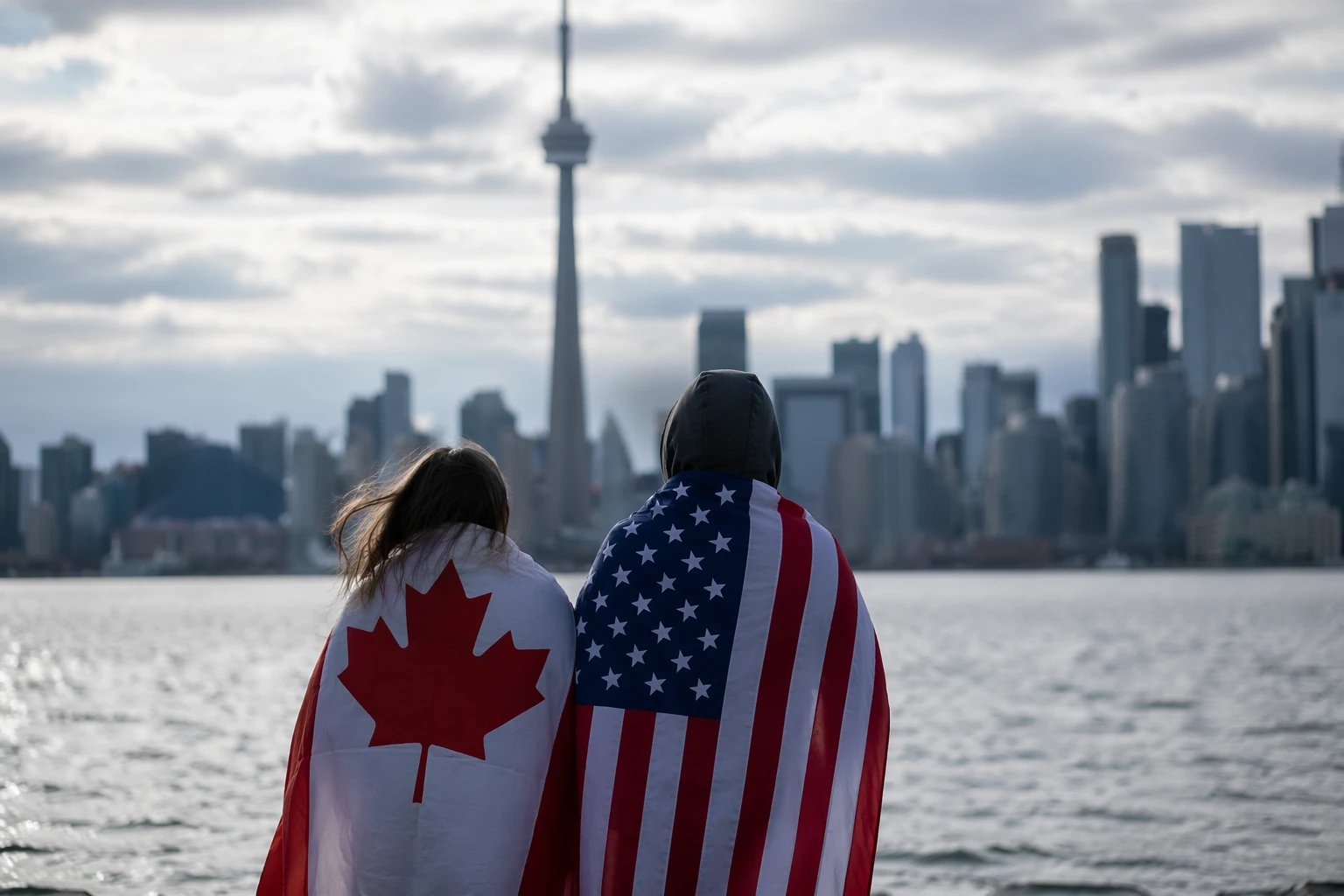
The political backdrop is not abstract. Canada’s finance department said the United States imposed 25% tariffs on Canadian steel and aluminum in March 2025, and Canada responded with $29.8 billion in reciprocal tariffs on U.S. goods. Many Canadian exports remain exempt under the Canada-U.S.-Mexico Agreement, but steel, aluminum, automobiles and softwood lumber are still among the sectors hit by targeted tariffs.
That friction has spilled beyond trade policy into everyday behavior. Some Canadians have responded to months of political hostility by boycotting American products and canceling trips south of the border, a sign that the World Cup is arriving amid a broader national mood of irritation and mistrust. For a tournament marketed as a symbol of cross-border friendship, the optics are complicated.
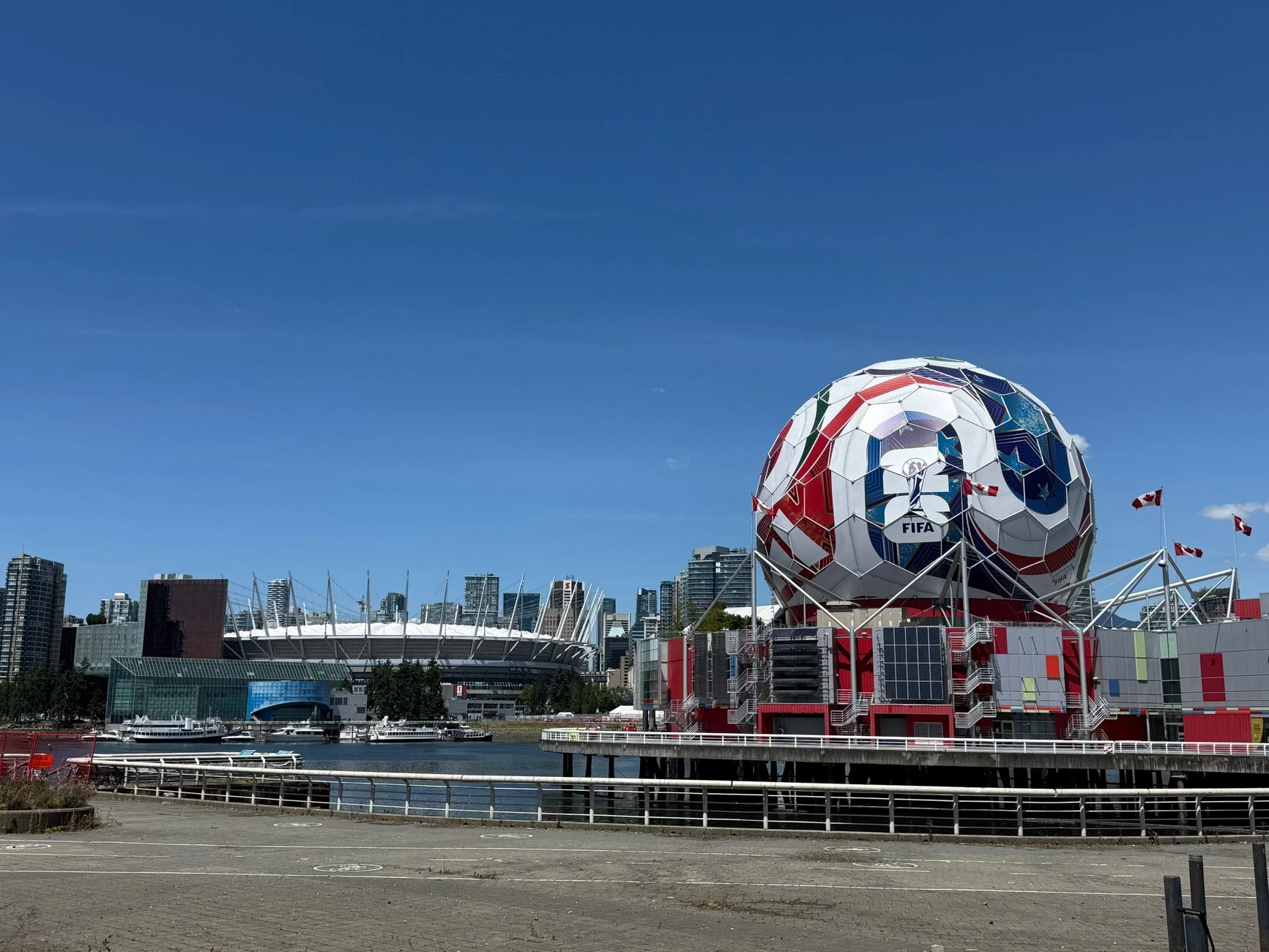
The scale of the event only sharpens that contradiction. FIFA says Canada’s appearance in 2026 will be only its third men’s World Cup, after 1986 in Mexico and 2022 in Qatar. The tournament will also be the first World Cup staged by three nations and the first men’s edition to feature 48 teams, giving Canada a larger role than ever before in a global showcase.
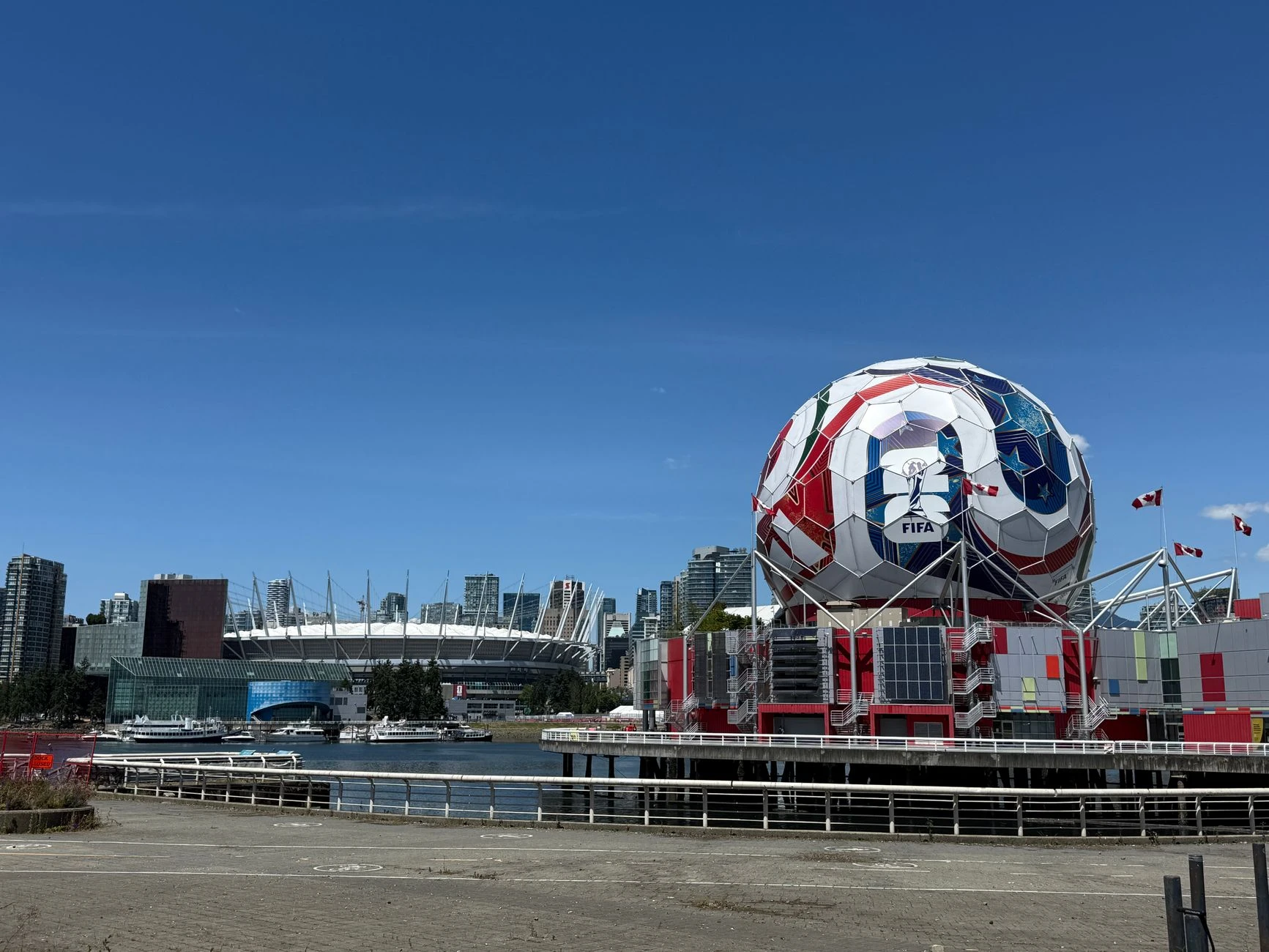
Even with the political discomfort, the competition still has the power to draw people in. Canadian fans are not rejecting the World Cup; many are trying to separate their love of football from their anger at Washington. That split may define the mood in the stands, where national pride and geopolitical unease will coexist throughout a tournament meant to unify.
Sources
- [1]usnews.com
- [2]fifa.com
- [3]canada.ca
- [4]cbc.ca
- [5]time.com