World
Canadian NATO intern arrested in Belgium on spying charges
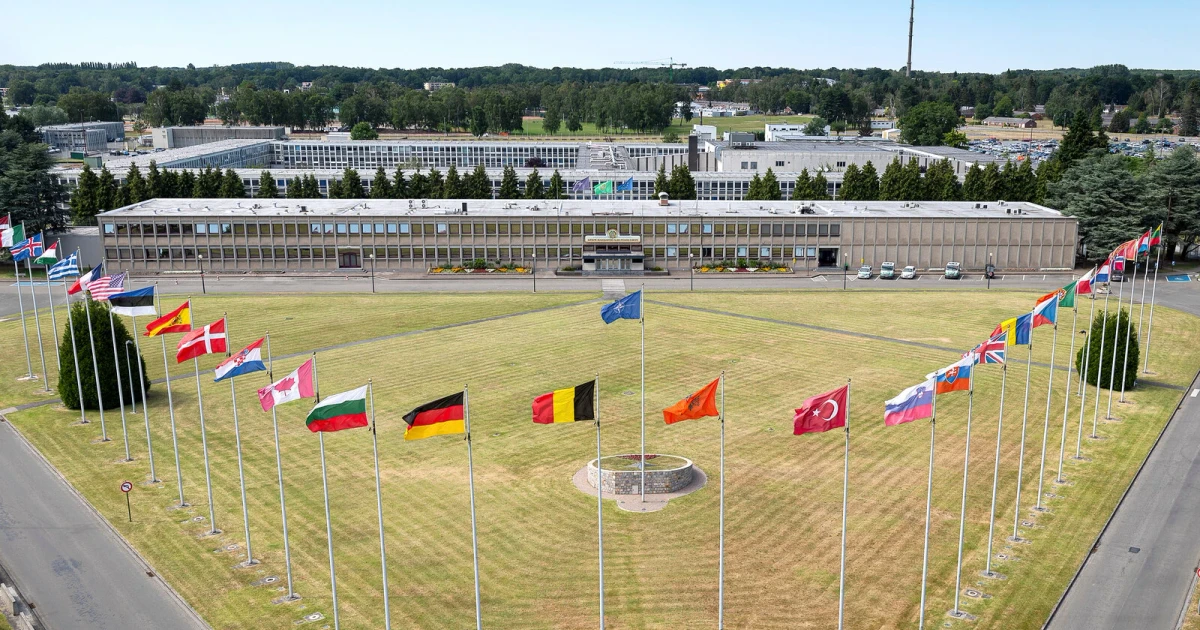
Belgian prosecutors said Saturday that a Canadian woman who had been an intern at NATO was arrested in Belgium on spying charges, putting a rare insider-risk case inside the alliance’s own military command structure under scrutiny. The suspect, described in follow-on reporting as a Canadian citizen of Chinese origin, was linked to NATO’s Supreme Headquarters Allied Powers Europe, known as SHAPE, in Mons, western Belgium.
Prosecutors said she was suspected of spying on behalf of a third country and of being a member of a criminal organisation. They did not name the state alleged to have benefited from the suspected activity, and that omission keeps the diplomatic stakes broad while the case moves through Belgium’s legal system.
The arrest is likely to sharpen attention on how NATO screens and supervises temporary staff and interns who work inside sensitive environments. Internships do not carry the same access as senior posts, but even limited exposure can create openings if internal controls are weak, if contacts go unflagged, or if unusual behavior is not caught quickly enough.
SHAPE is one of NATO’s core military command sites, and any breach allegation there carries more weight than a routine personnel case. The headquarters sits in Belgium, a host country for major European institutions and a regular venue for counterintelligence concerns tied to international bodies. That makes the alleged activity more than a criminal matter: it touches allied trust, information handling, and the procedures used to detect suspicious conduct before it spreads.
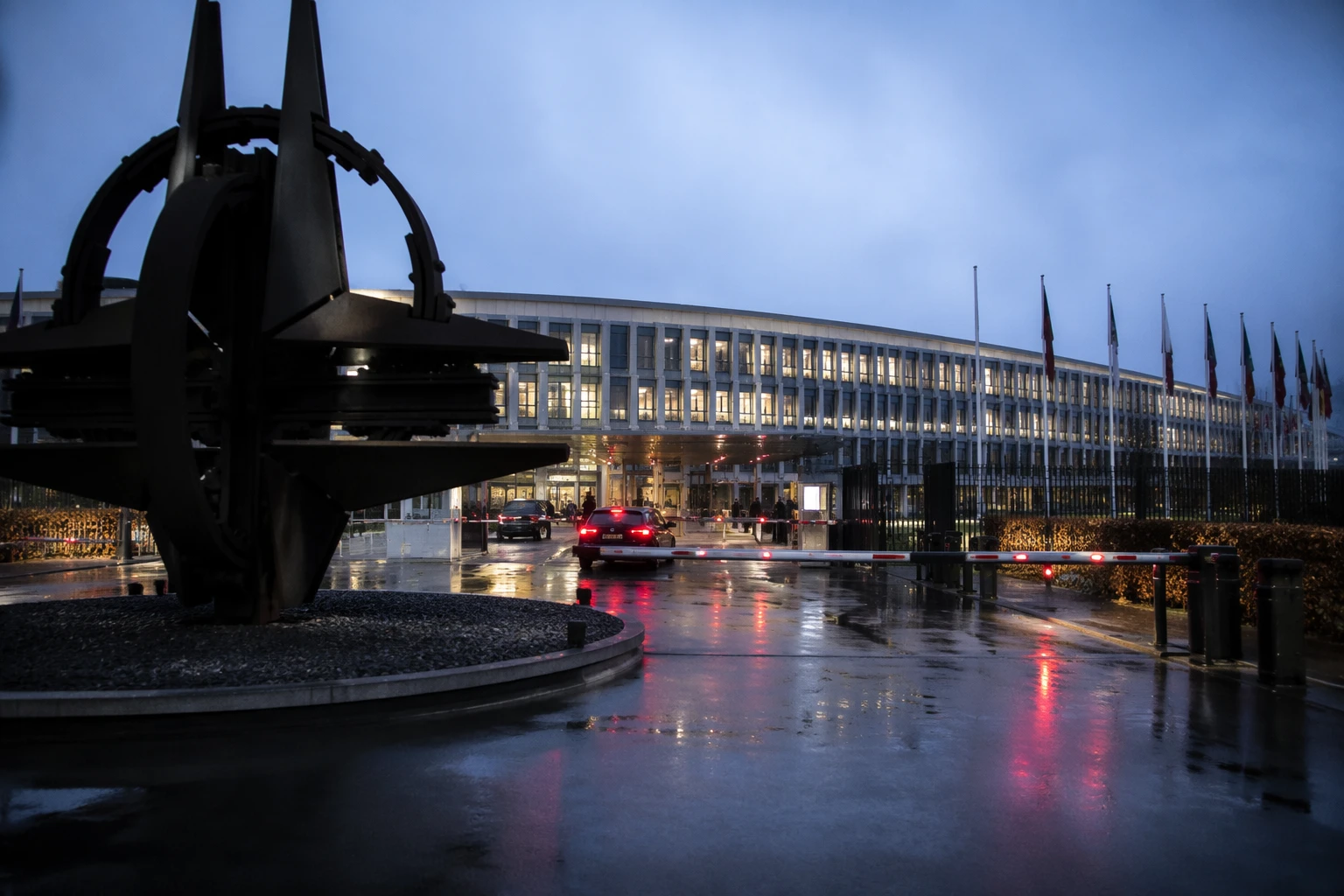
One Reuters-linked post said the investigation began after SHAPE’s internal security services detected suspicious activity and alerted Belgian intelligence authorities. If that account holds, it would suggest the first warning came from inside NATO’s own security apparatus rather than from an external tip or a broader surveillance operation.
The public record now centers on a single arrest and two charges, spying and membership in a criminal organisation. Even without details of the alleged intelligence transfer, the case shows how a junior role at a top-tier defense institution can become a test of vetting, monitoring, and the limits of trust inside the alliance’s most sensitive military headquarters.
Sources
- [1]reuters.com
- [2]usnews.com
- [3]cbc.ca
- [4]malaymail.com
- [5]en.vijesti.me
- [6]montreal.citynews.ca
- [7]nytimes.com
- [8]facebook.com