Lifestyle
Canadian Travel Warnings: What Students Need to Know Before Heading South for Reading Week
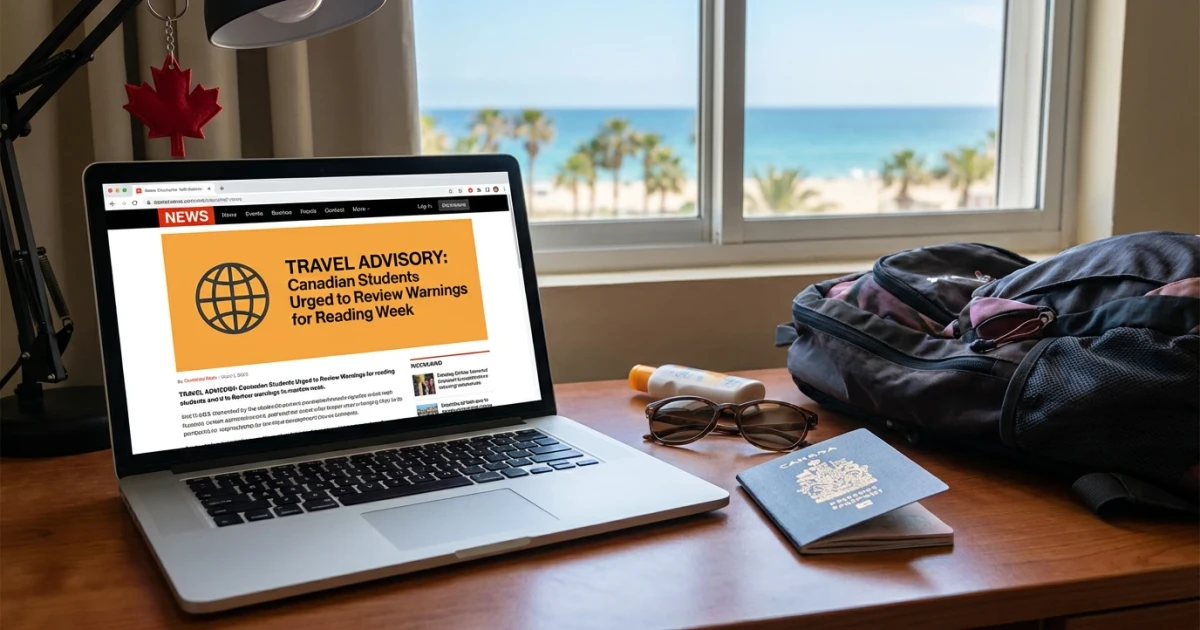
As reading week approaches, thousands of Canadian students are preparing to escape the winter chill by heading to sun-soaked destinations in the south. However, before booking flights and packing swimsuits, travelers should be aware of current travel advisories issued by the Canadian government for several popular vacation spots.
Travel Warnings for Hot Vacation Destinations
Many Canadian post-secondary students traditionally use reading week as an opportunity to relax and recharge in warmer climates, often flocking to destinations in the Caribbean, Mexico, and Central America. This year, the Government of Canada has released updated travel warnings for several of these countries, urging travelers to exercise increased caution due to ongoing safety concerns.
Why the Warnings?
Travel advisories are issued for a variety of reasons, including:
- Crime rates: Certain regions are experiencing elevated incidents of theft, robbery, and violent crime that may target tourists.
- Health risks: Outbreaks of illnesses such as Zika virus, dengue fever, and COVID-19 variants can impact travel safety.
- Political instability: Protests, civil unrest, or government actions can disrupt transportation and pose risks to foreign visitors.
- Natural disasters: Some destinations are prone to hurricanes or earthquakes, especially during specific seasons.
How to Check Travel Advisories
Students and families should consult the official Government of Canada travel advisories before making plans. These advisories are updated regularly and provide valuable information on safety, entry requirements, and local laws.
Popular Destinations Under Advisory
While the article from Inside Halton does not list specific countries, it highlights the importance of checking for advisories on commonly visited destinations such as:
Each of these countries may have region-specific warnings—some areas remain relatively safe for tourists, while others are marked as high risk due to the factors mentioned above.
Tips for Safe Travel During Reading Week
- Register your travel plans with the Government of Canada’s Registration of Canadians Abroad service.
- Purchase travel insurance that covers medical emergencies and unexpected trip interruptions.
- Keep up to date with local news and follow the advice of local authorities and hotel staff.
- Use only authorized transportation services and avoid traveling alone at night.
- Store travel documents securely and carry photocopies in case of loss or theft.
Why Awareness Matters
With increased travel comes increased risk, making it essential for students and their families to stay informed. By consulting official resources and heeding travel advisories, Canadians can make well-informed choices and enjoy a safer, more enjoyable reading week getaway.
Looking Ahead
As travel patterns continue to shift and global events unfold, travel advisories may change rapidly. The best defense is preparation—monitor government updates, plan cautiously, and prioritize safety at every step of your journey. For the latest information, visit the Government of Canada travel advisories page regularly.