Health
Canadian wildfire smoke brings hazardous air to millions across US
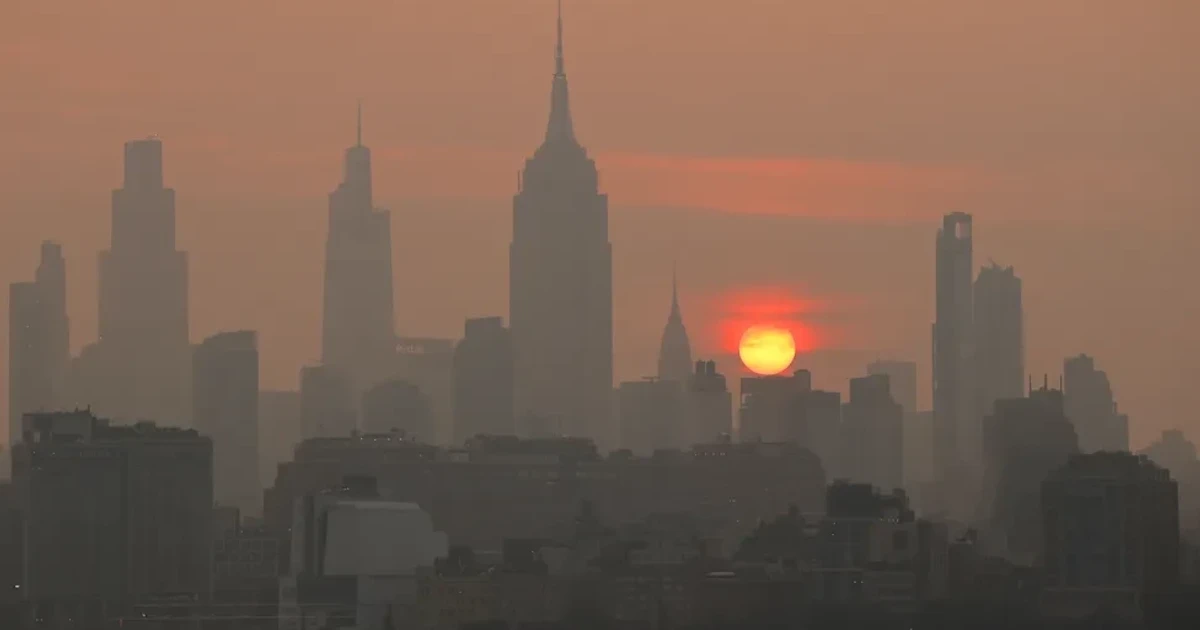
Smoke from more than 800 wildfires burning across Canada spread into the United States, pushing air quality alerts across the Great Lakes, Northeast, northern Plains and Mid-Atlantic and putting more than 100 million people in the path of dangerous conditions.
The heaviest smoke moved through the Great Lakes and Northeast, with some forecasts saying conditions could ease in parts of the Northeast by Friday or Saturday while lingering longer closer to the fires. The Washington Post said the plume would worsen air quality in the Northeast and Mid-Atlantic through Friday, and a separate forecast pegged hazardous air quality and hazy skies for more than 124 million people. Orange skies and heavy smoke covered large parts of the U.S. on Thursday as Canada and Minnesota dealt with wildfires of their own.
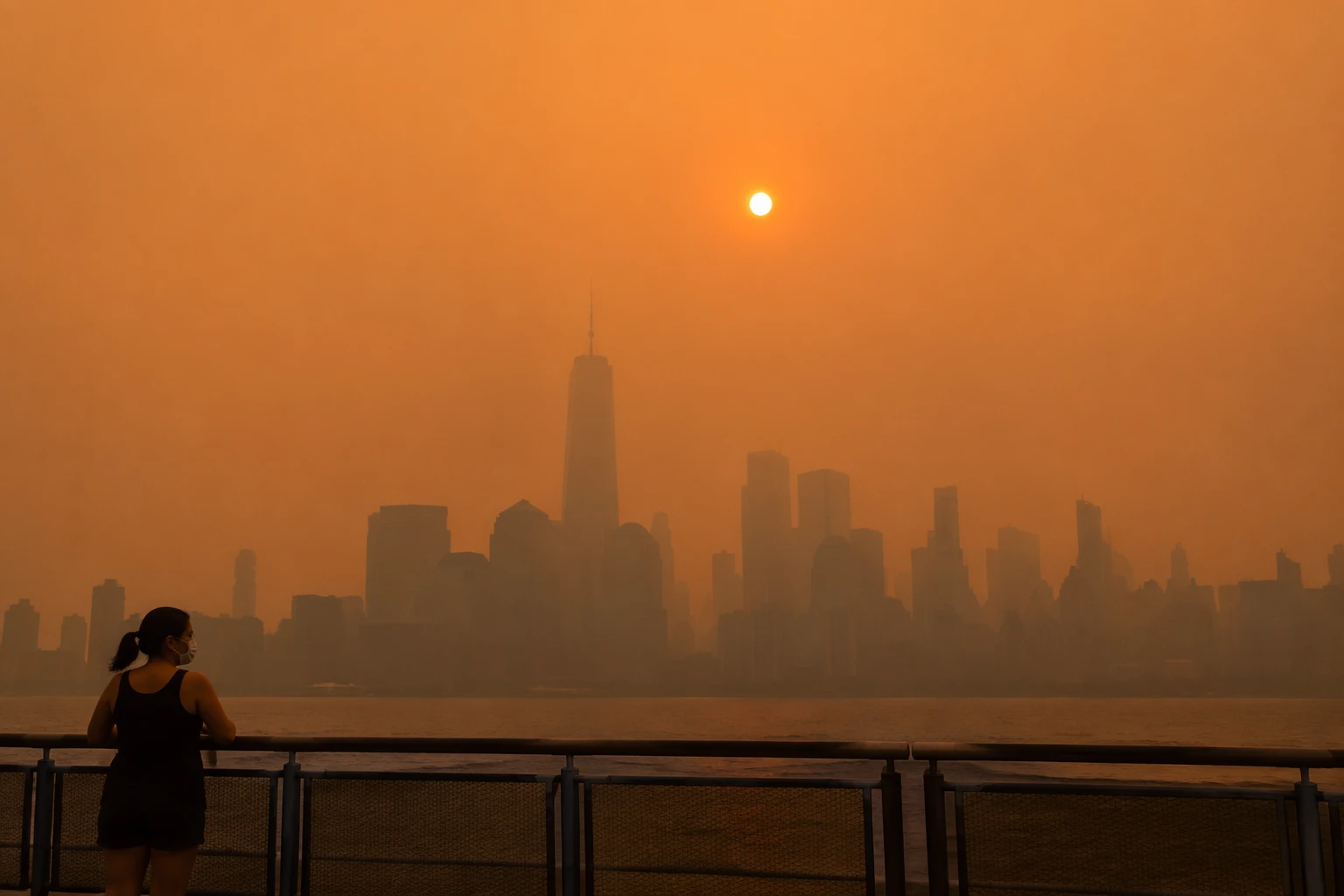
AirNow said wildfire smoke was affecting air quality in multiple states, while officials in New York urged residents to stay indoors as the plume moved overhead. Environment and Climate Change Canada said its air-quality model forecast maps are updated twice a day and track wildfire-smoke dispersion, fine particulate matter and ground-level ozone, the pollutants most likely to drive the worst health impacts during a smoke event.
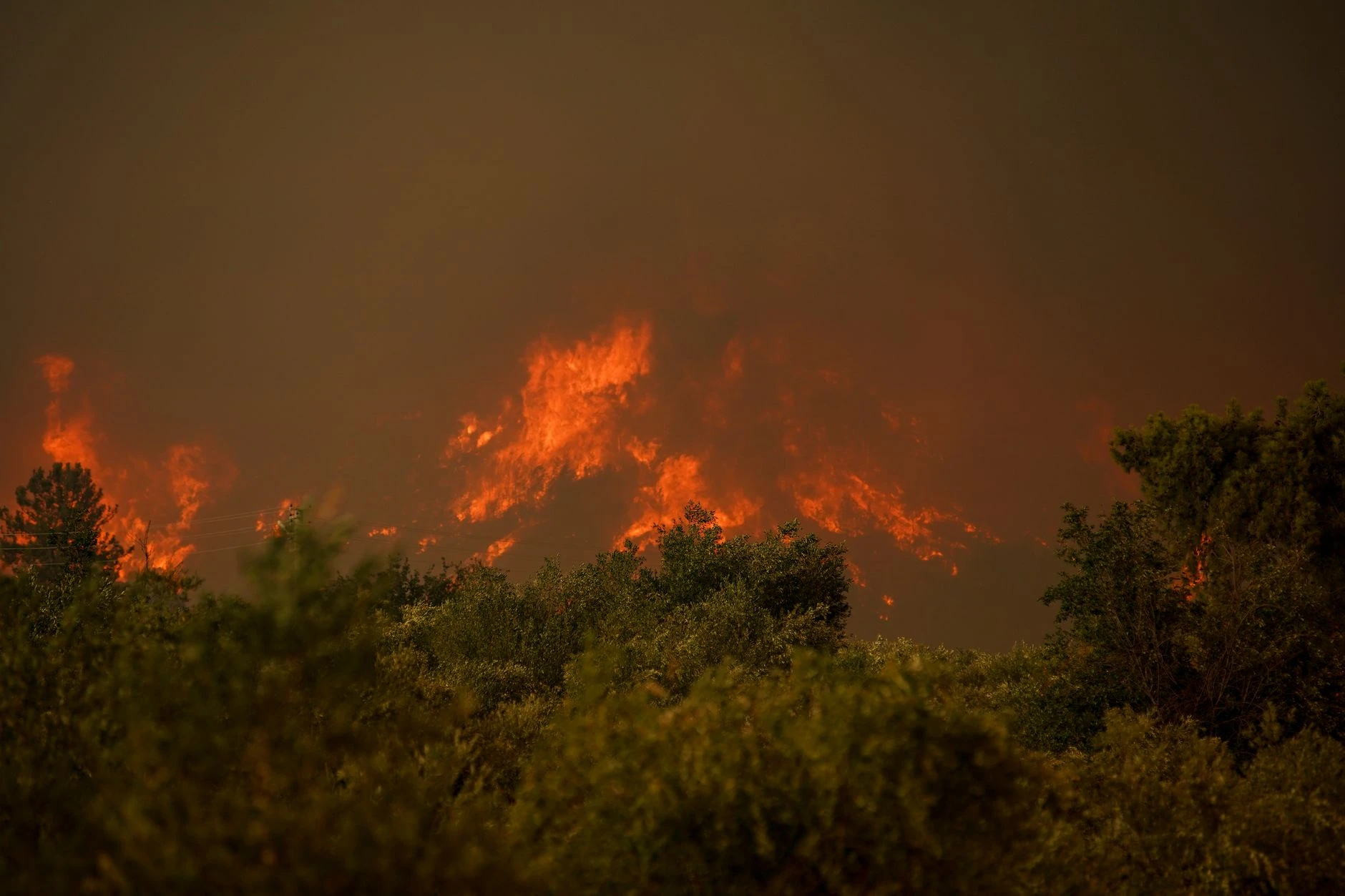
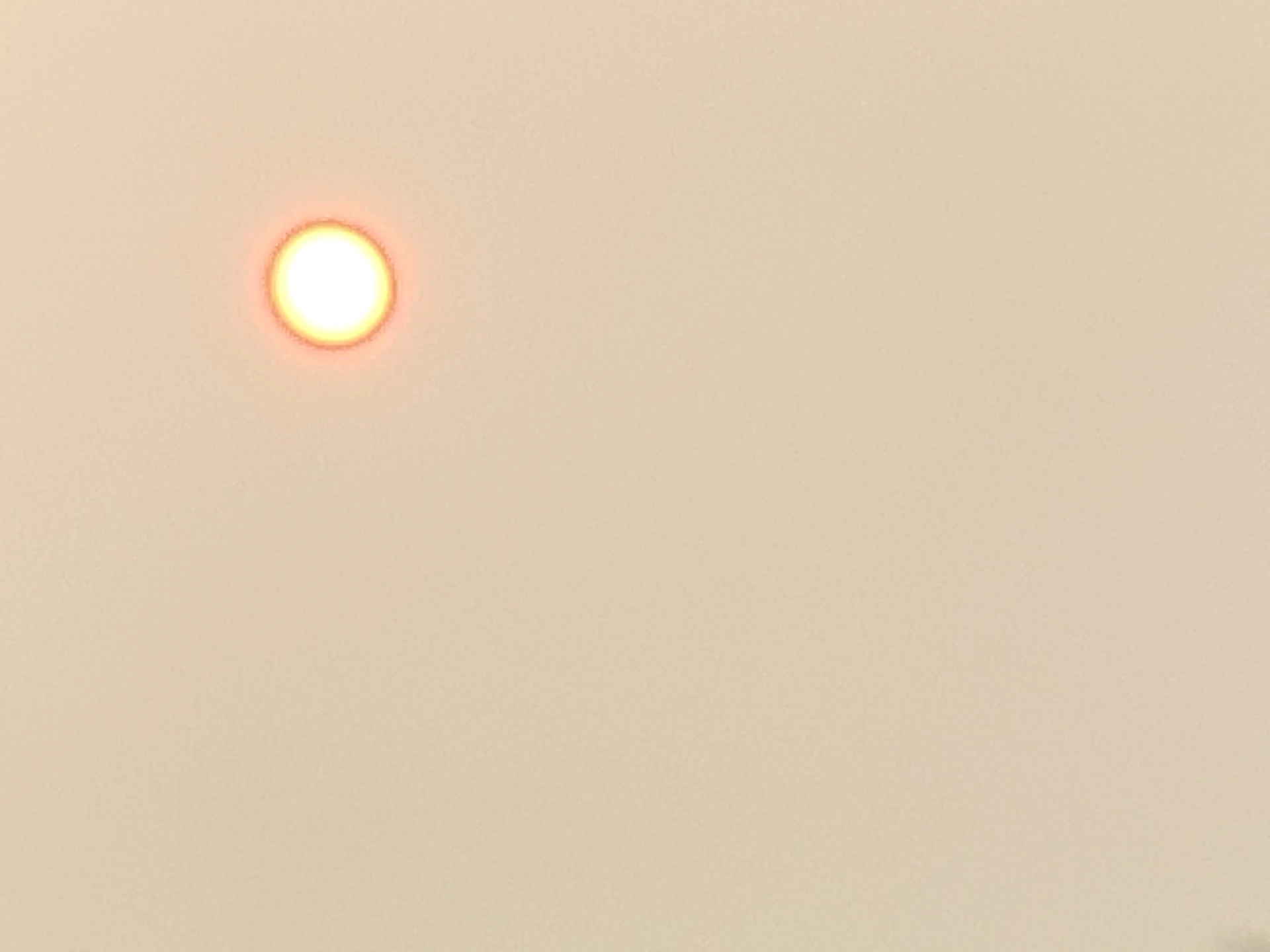
The risk was highest for people with asthma, heart disease, lung disease, older adults, children and outdoor workers, especially in cities caught under the plume for multiple days. CNN said dangerous air quality from the Canadian smoke could affect more than 100 million people in the Midwest and Northeast, while Fox Weather put the total exposed to hazardous air or hazy skies at more than 124 million. CNN also said stateside fires had already burned more than 3.6 million acres this summer, adding a domestic source to the smoke that crossed the border. NASA Earth Observatory has documented similar plumes streaming over Ontario, Quebec and other parts of Canada before, underscoring that this is no longer a one-off spillover but a recurring North American hazard that can shift rapidly with heat and wind.
Sources
- [1]nytimes.com
- [2]bbc.com
- [3]cnn.com
- [4]foxweather.com
- [5]washingtonpost.com
- [6]npr.org
- [7]airnow.gov
- [8]weather.gc.ca
- [9]science.nasa.gov