Lifestyle
Canary Islands Face Overtourism Pressures Amid Travel Uncertainty
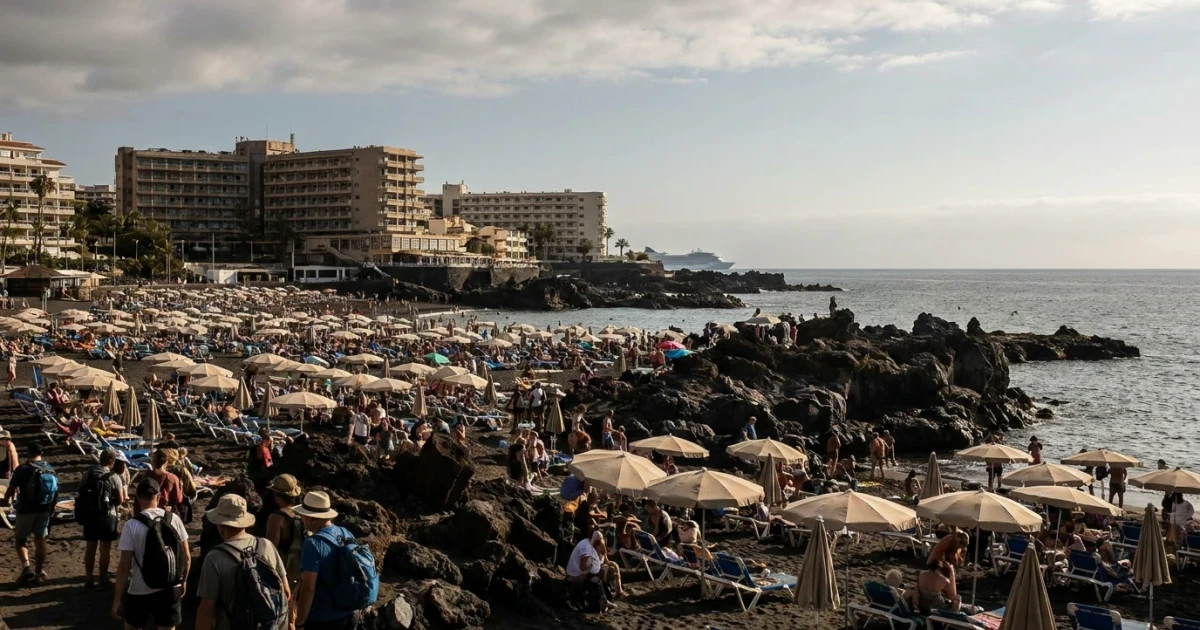
The Canary Islands, long celebrated for their year-round sunshine and volcanic landscapes, are at a crossroads as growing concerns over overtourism and travel uncertainty prompt both local authorities and industry observers to reassess the archipelago’s future as a premier vacation spot. While the islands continue to draw millions of visitors annually, pressure on natural resources and local communities is fueling debate about sustainability, capacity, and the region’s long-term appeal.
Overtourism: Strain on Environment and Infrastructure
Recent years have seen a surge in international arrivals, with official data from the Instituto Canario de Estadística (ISTAC) recording over 14 million tourists visiting the Canary Islands in 2023. This high-volume tourism has delivered substantial economic benefits, but it has also triggered new challenges:
- Environmental stress in fragile protected areas, including popular sites like Teide National Park
- Increasing pressure on Natura 2000 protected habitats
- Rising complaints from residents about noise, congestion, and cost of living
- Strained municipal services and waste management systems
Industry analysis by Euromonitor International highlights how the region’s popularity among European travelers, particularly from the UK, Germany, and Scandinavia, has contributed to these pressures. The Canary Islands Tourism Board reports that hotel occupancy rates have regularly exceeded 80% during peak seasons, leading to concerns about overcrowding in both urban centers and rural villages.
Local Response and Destinational Resilience
In response, local governments and tourism authorities are exploring measures to better manage visitor flows and protect sensitive sites. Some proposed initiatives include:
- Implementing stricter visitor limits at top attractions, especially in UNESCO-listed areas
- Investing in sustainable infrastructure and renewable energy
- Promoting off-season and decentralized tourism to alleviate peak congestion
- Enhancing community engagement in tourism planning
However, Travel And Tour World notes ongoing uncertainty about the effectiveness of these strategies and whether they can keep pace with mounting demand. The publication raises the possibility that, if left unchecked, overtourism could undermine the region’s appeal and result in stricter travel restrictions or diminished visitor experiences in the coming years.
Uncertainty in the Global Travel Landscape
Added to these local challenges are broader uncertainties affecting global travel. According to the United Nations World Tourism Organization (UNWTO), shifts in consumer confidence, airline capacity, and climate-related disruptions have increased volatility in European tourism markets. The Canary Islands, heavily reliant on air links, are especially vulnerable to such disruptions.
Moreover, the region’s dependence on a few core markets makes it sensitive to economic or political fluctuations in source countries. This fragility has prompted calls for greater diversification of the tourism economy and a renewed focus on sustainability and resilience.
Balancing Growth with Sustainability
The debate over the future of tourism in the Canary Islands is far from settled. On one hand, the sector remains a lifeline for local employment and regional GDP. On the other, unchecked growth risks irreversible damage to the very landscapes and communities that attract visitors in the first place.
As the islands look to 2026 and beyond, stakeholders face tough decisions about how to balance economic opportunity with the need to preserve natural and cultural resources. Success will likely depend on collaborative governance, transparent data-sharing, and a commitment to putting sustainability at the heart of tourism planning.
What Lies Ahead?
While overtourism and travel uncertainty present real challenges, they also offer an opportunity for the Canary Islands to redefine their place in the global tourism market. By embracing innovation and sustainability, the archipelago can chart a course that safeguards both its unique environment and its economic vitality for generations to come.