Lifestyle
Canary Islands Face Tourism Uncertainty Ahead of 2026
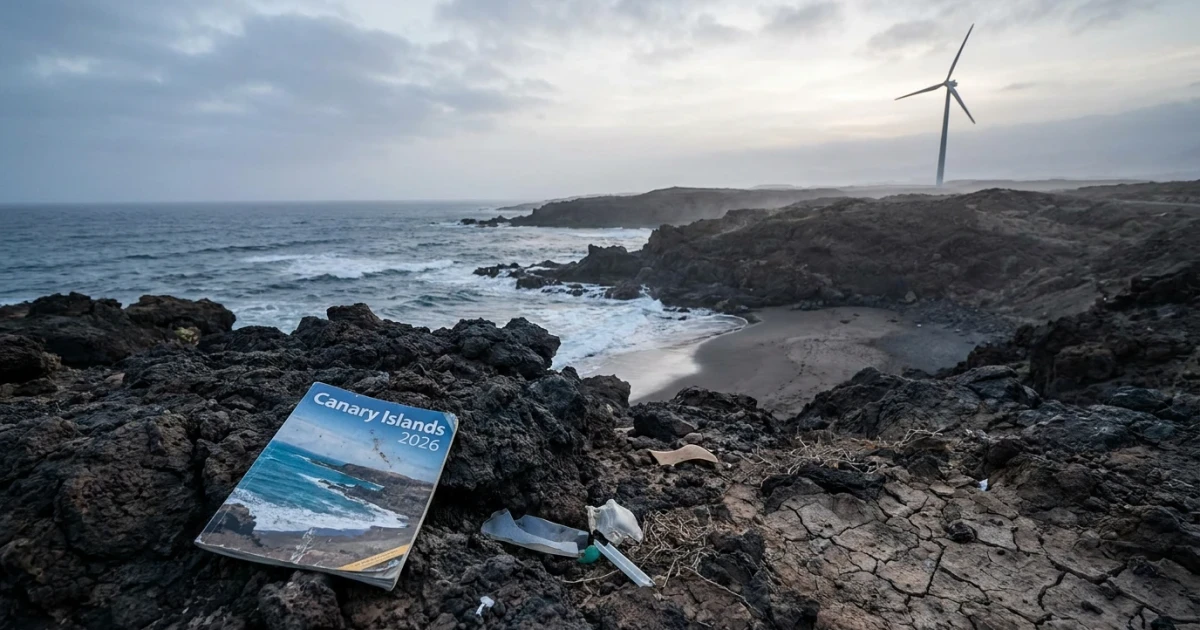
The Canary Islands, long celebrated for their year-round sunshine, unique landscapes, and vibrant culture, are facing a period of uncertainty as a vacation destination for 2026. Recent coverage from islands.com highlights growing concerns about the region's suitability for tourists, citing a mix of environmental, regulatory, and economic factors that may impact the islands' allure.
Environmental Challenges Affecting Tourism
The Canary Islands have experienced mounting environmental pressures in recent years. Climate change, coastal erosion, and biodiversity loss have become increasingly prominent, as detailed in research by the European Environment Agency. These issues have led to stricter regulations and adaptation measures introduced by the local government, including efforts to limit development and protect fragile ecosystems. Official records of these initiatives can be found on the Canary Islands Climate Change Initiatives page.
- Increased coastal restrictions are aimed at reducing erosion and safeguarding wildlife habitats.
- Water shortages and droughts have prompted new limitations on resort operations and agricultural use.
- Biodiversity hotspots, such as volcanic landscapes and endemic forests, are subject to enhanced conservation efforts.
These changes, while necessary for sustainability, may impact the visitor experience—particularly for those accustomed to unrestricted access to beaches and natural parks.
Policy Shifts and Tourist Regulations
According to the Canary Islands Sustainable Development Goals, the government is prioritizing climate action as part of its 2026 targets. This includes stricter limits on tourist numbers, especially during peak months, as well as new eco-tax policies designed to offset the environmental impact of travel.
- Eco-taxes are expected to increase accommodation costs, making the islands less competitive for budget travelers.
- Restrictions on short-term rentals and hotel expansion aim to control overcrowding.
- New regulations could limit access to popular hiking routes and marine excursions.
While these measures are intended to preserve the islands for future generations, they represent significant changes for the tourism industry and potential visitors.
Tourism Trends and Economic Impact
Tourism remains a cornerstone of the Canary Islands' economy, but recent official statistics show signs of plateauing arrivals. Data from the Canary Islands Statistics Institute and Eurostat indicate that hotel occupancy rates, while still robust, have not recovered to pre-pandemic highs. This is attributed partly to environmental restrictions, but also to shifting consumer preferences toward more sustainable and less crowded destinations.
- Annual tourist arrivals have stabilized, with over 15 million visitors in 2025, but growth is slowing.
- Economic forecasts suggest reduced revenue from tourism in 2026, prompting calls for diversification.
- Industry stakeholders are adapting by promoting eco-friendly travel packages and supporting local conservation efforts.
For travelers considering the Canary Islands in 2026, these trends suggest a more regulated and potentially costlier experience.
What Visitors Should Know
Potential tourists are advised to review the latest regulations and environmental advisories before planning trips. The region's commitment to sustainability could mean changes to familiar attractions and activities, with more emphasis on responsible travel. Up-to-date statistics, advisories, and planning resources are available from the Canary Islands Tourism Board and the UNWTO Tourism Statistics.
Outlook for 2026
While the Canary Islands remain a destination of natural beauty and cultural richness, their approach to tourism is evolving rapidly. For 2026, visitors should expect a more regulated environment, higher costs, and limited access to certain areas—all in service of long-term sustainability. The islands.com report underscores the need for travelers to stay informed and for industry leaders to balance economic needs with environmental stewardship.
Whether the Canary Islands will retain their status as a top vacation spot depends on how successfully they navigate these challenges and adapt to new global tourism trends.