Health
Cancer diagnoses rise, but death rates keep falling, oncologist says

Cancer can feel more common because more people are getting diagnosed, more survivors are living longer, and more cases are visible in everyday life. Oncologist Mikkael Sekeres is urging readers to separate that feeling from the national data, which show a disease that remains common but is killing fewer people than it used to.
Why the disease feels more present
Part of the shift is demographic: an older population naturally produces more cancer diagnoses, because cancer risk rises with age. Better screening also catches tumors that might have gone unnoticed years ago, and broader awareness means more people now hear about diagnoses that once stayed private. That combination can make the disease seem to be accelerating even when the most important fatal measure is moving in the other direction.
The National Cancer Institute puts the U.S. cancer incidence rate at 445.8 per 100,000 men and women per year. Its mortality rate is 145.4 per 100,000 men and women per year. Those figures describe two very different realities, and the gap between them is the heart of the story: many more Americans are living with a cancer diagnosis than are dying from it.
What the national numbers actually show
The American Cancer Society projected more than 2 million new cancer cases in the U.S. in 2025, along with more than 618,000 deaths. That works out to roughly 1,700 cancer deaths every day, a sobering reminder that progress has not made the disease rare or harmless. It has, however, made death less common than it was in earlier decades.
The American Association for Cancer Research released its Cancer Disparities Progress Report 2026 on June 24, and the report says U.S. cancer death rates have dropped 35% since 1991. That decline represents more than 4.8 million fewer cancer deaths and nearly 19 million cancer survivors. A separate AACR disparities report from 2024 put the long-term mortality decline at 33% between 1991 and 2020, and noted that the number of survivors was already above 18 million and rising.
Why death rates keep falling
The main drivers of the decline are familiar, and they matter because they explain why more diagnoses do not automatically mean more funerals. Smoking reductions have lowered risk for several cancers, earlier detection has improved outcomes for some cancers, and treatment has become more effective across a wide range of diagnoses. In public health terms, the disease burden has shifted from a near-certain death sentence for many patients to something that is increasingly treatable, monitorable, or survivable.
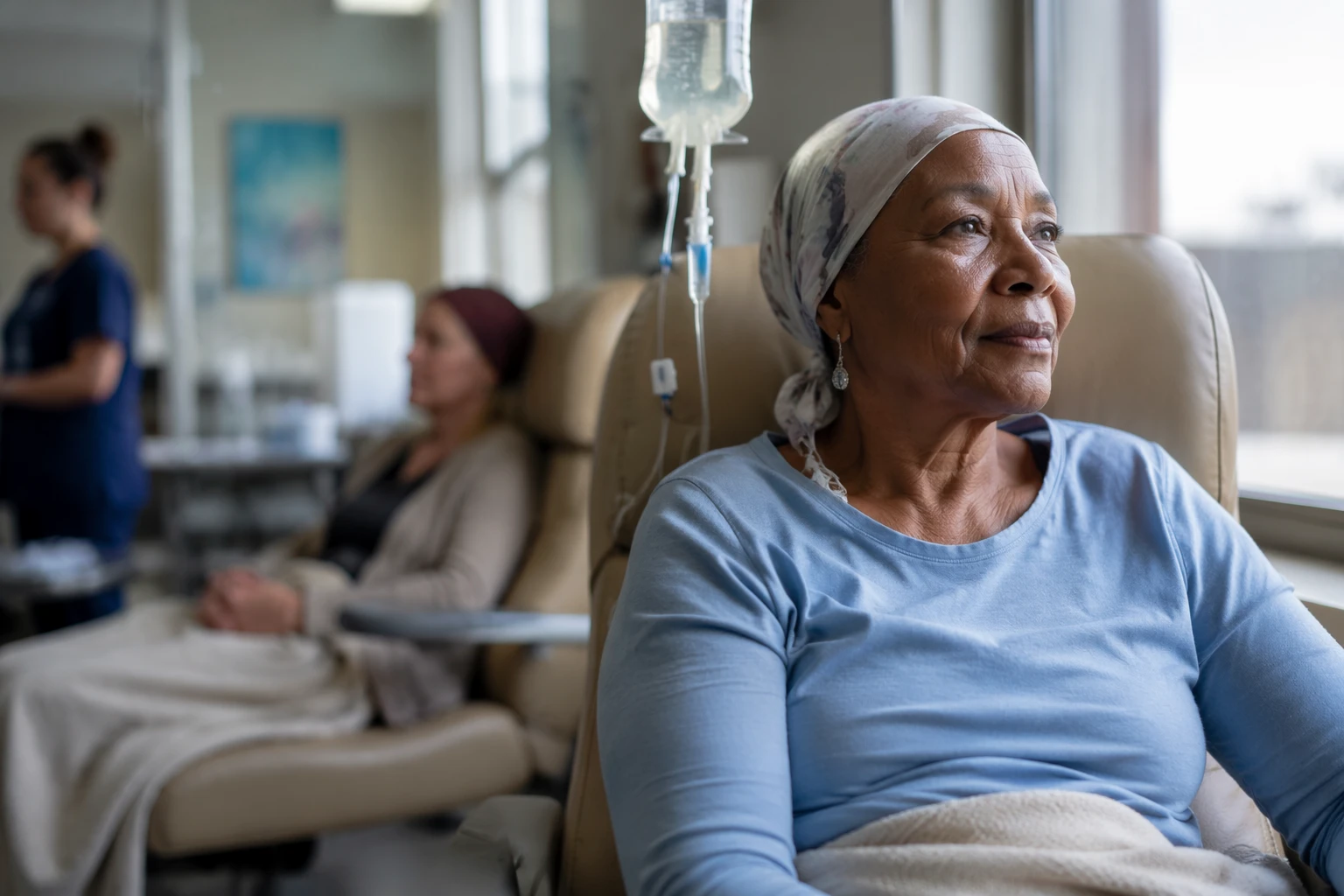
That progress still comes with a data lag that can distort public perception. The Centers for Disease Control and Prevention says the most recent U.S. incidence data are from 2023, and the most recent mortality data are from 2024. In other words, the numbers that define the national picture are measured carefully and updated after the fact, while individual stories, hospital experiences, and social media posts can make the moment feel much more alarming than the trend line.
The equity gap inside the averages
The averages conceal a painful inequality: progress has not been shared evenly. AACR’s 2024 disparities report said Black and Indigenous people have the highest overall cancer death rates among U.S. racial and ethnic groups, even when their overall incidence rates are lower than White populations. That means the problem is not only how often cancer appears, but also who is able to get screened early, diagnosed quickly, and treated without delay.
The 2026 AACR report says inequities in access to care remain, which keeps the public health debate from being just a story about medical advances. Access to screening, the speed of referral, insurance coverage, geography, transportation, and trust in the health system all shape whether a diagnosis becomes a manageable condition or a deadly one. When communities face barriers at each step, falling national death rates can coexist with devastating local outcomes.
How to read the numbers without panic
The most useful way to think about cancer right now is to separate incidence from mortality and then ask which cancers, age groups, and communities are driving the change. A rising diagnosis count can reflect better detection and a larger older population, not a sudden collapse in survival. A falling death rate can mean treatment and prevention are working, while also signaling that some groups are still being left behind.
That is the balance the data demand: urgency without panic, and attention to the people for whom the averages do not tell the full story. The clearest next step is not to treat every diagnosis spike as proof of a worsening catastrophe, but to keep focusing on the tools that have already lowered deaths, including tobacco control, early detection, and access to timely treatment.
Sources
- [1]news.google.com
- [2]washingtonpost.com
- [3]ascopost.com
- [4]cancer.org
- [5]cancer.gov
- [6]cdc.gov
- [7]cancerprogressreport.aacr.org