Health
Cancer Screening Panel’s Year-Long Pause Raises Concerns
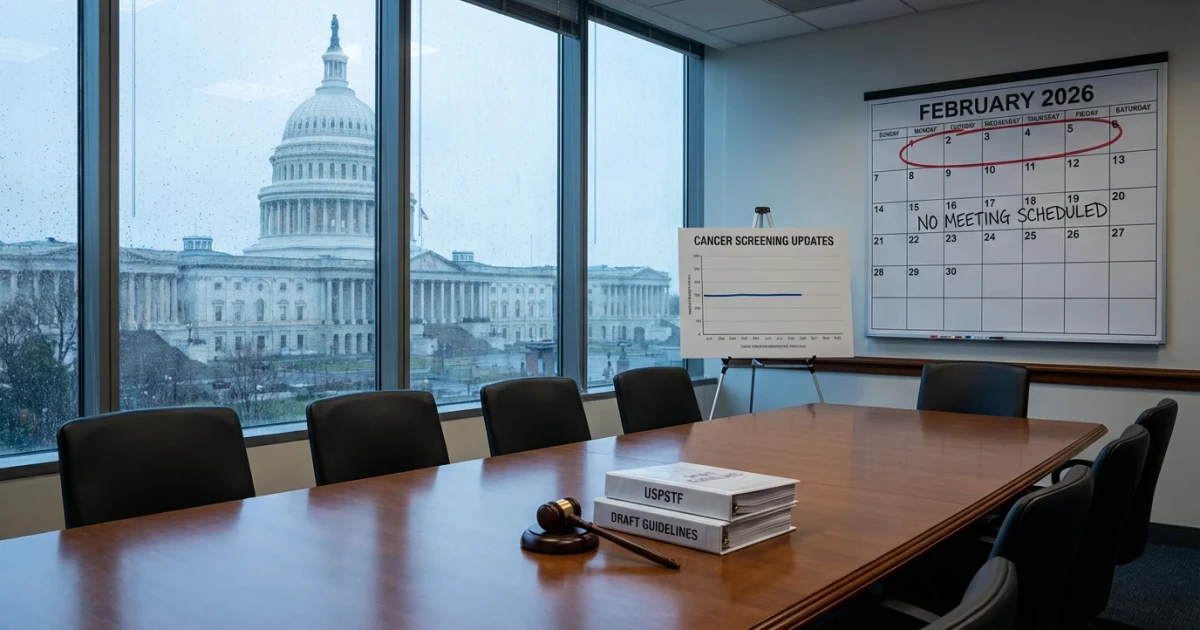
The U.S. Preventive Services Task Force (USPSTF), a federal panel whose recommendations shape cancer screening for millions of Americans, has not convened in almost a year, prompting rising concern among medical professionals and patient advocates about potential gaps in preventive care guidance.
Panel’s Critical Role in U.S. Healthcare
The USPSTF is widely recognized for issuing evidence-based recommendations that influence both clinical practice and insurance coverage decisions. Its guidelines cover a broad spectrum of preventive services, including mammograms, colonoscopies, and other cancer screening recommendations that directly impact patient care. The panel’s work is considered critical in updating medical guidance in response to new research and shifting epidemiological trends.
Unprecedented Hiatus and Its Implications
As reported by NBC News, experts warn that the USPSTF has not held a meeting in nearly a year. This extended pause is unprecedented in the panel’s history and comes at a time when timely, evidence-based screening guidance is especially crucial. Medical leaders and former members of the task force have expressed anxiety that the hiatus leaves health systems without up-to-date recommendations, potentially affecting early detection rates for diseases like breast, colorectal, and lung cancer.
- The USPSTF’s recommendations are regularly reviewed and updated to reflect the latest cancer incidence and screening data.
- Many insurers, including those under the Affordable Care Act, are required to cover services receiving an A or B rating from the task force, further amplifying the impact of any delays.
Potential Policy Shifts and Political Scrutiny
Further complicating the situation, NBC News notes that political figures such as RFK Jr. have floated the possibility of eliminating the USPSTF altogether. This has led to warnings from founding task force members and public health experts who caution that removing the panel could inject uncertainty into the healthcare system and undermine the evidence-based foundation of preventive care.
The USPSTF’s methods for developing recommendations are grounded in transparency and scientific rigor, as detailed in its official processes. Calls for the panel’s elimination or overhaul have reignited debates about the proper balance of oversight, transparency, and expert-led decision-making in public health.
Broader Consequences for Patients and Providers
According to the Agency for Healthcare Research and Quality’s Guide to Clinical Preventive Services, USPSTF recommendations serve as the foundation for preventive care protocols in clinics and hospitals nationwide. Gaps or delays in these guidelines can create confusion for providers and patients alike, with some clinicians left to interpret older evidence or rely on alternative sources for critical screening advice.
- National cancer screening rates and mortality statistics, tracked by the CDC, show that timely screenings are essential for early detection and improved outcomes.
- Stakeholders are closely monitoring the situation, given the direct link between USPSTF recommendations and insurance coverage for preventive services.
What’s Next for the USPSTF?
The USPSTF’s year-long inactivity, combined with political calls for its elimination, has left the future of preventive health guidance in flux. The panel’s next steps—whether a resumption of meetings or structural changes—will be closely watched by the medical community and policymakers. For now, the absence of new recommendations highlights the essential role of expert panels in shaping the nation’s healthcare landscape and the risks posed by prolonged disruptions.