Health
Candida auris cases rise in U.S. as drug-resistant fungus spreads
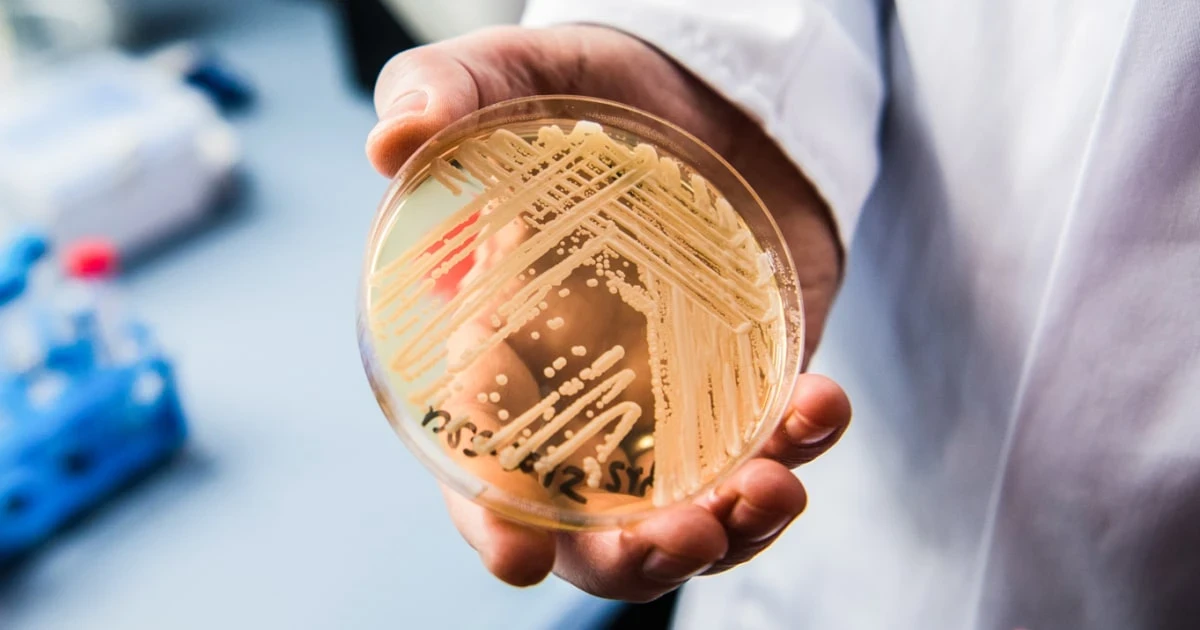
U.S. health officials counted 6,304 new clinical cases of Candida auris in 2024, a sign that the drug-resistant yeast continues to move through hospitals and other care settings even as the pace of growth has slowed since 2022. The fungus can live on a patient’s skin without causing symptoms, then spread to surfaces, objects and other patients in healthcare facilities.
That silent carriage is what makes C. auris hard to contain. The Centers for Disease Control and Prevention says colonized patients can spread the fungus even when they feel well, and the organism can persist on surfaces for many months. It is not killed by some common disinfectants, which leaves infection control dependent on screening, hand hygiene, environmental disinfection, staff training and transmission precautions.
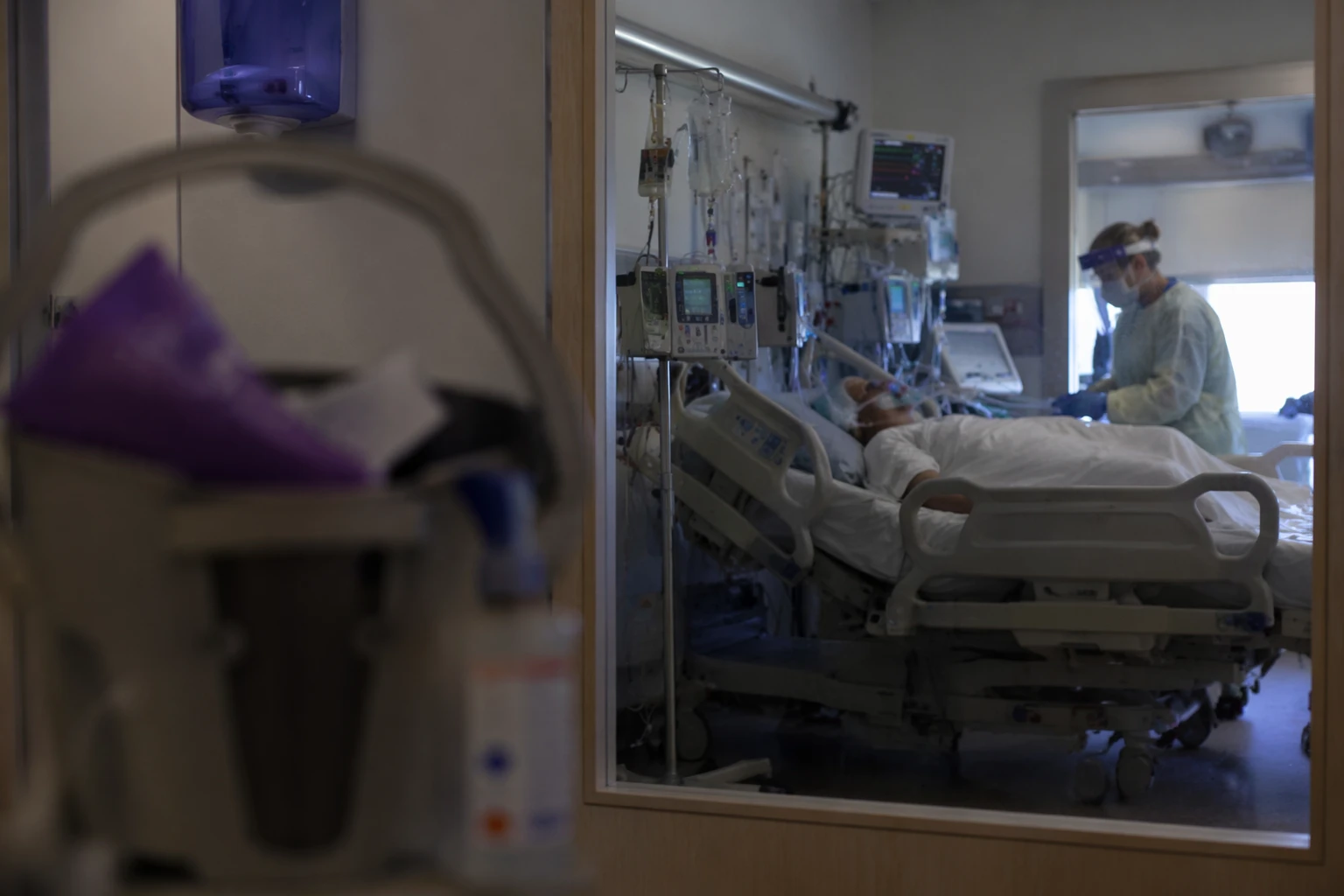
The CDC first identified 13 U.S. cases in 2016, and an early investigation of the first seven reported cases suggested transmission may have occurred inside U.S. healthcare facilities. Since then, clinical cases have climbed every year. The disease has been especially concerning in acute care hospitals, long-term acute care hospitals and skilled nursing facilities, where very sick patients move between units and where infection control failures can spread quickly.
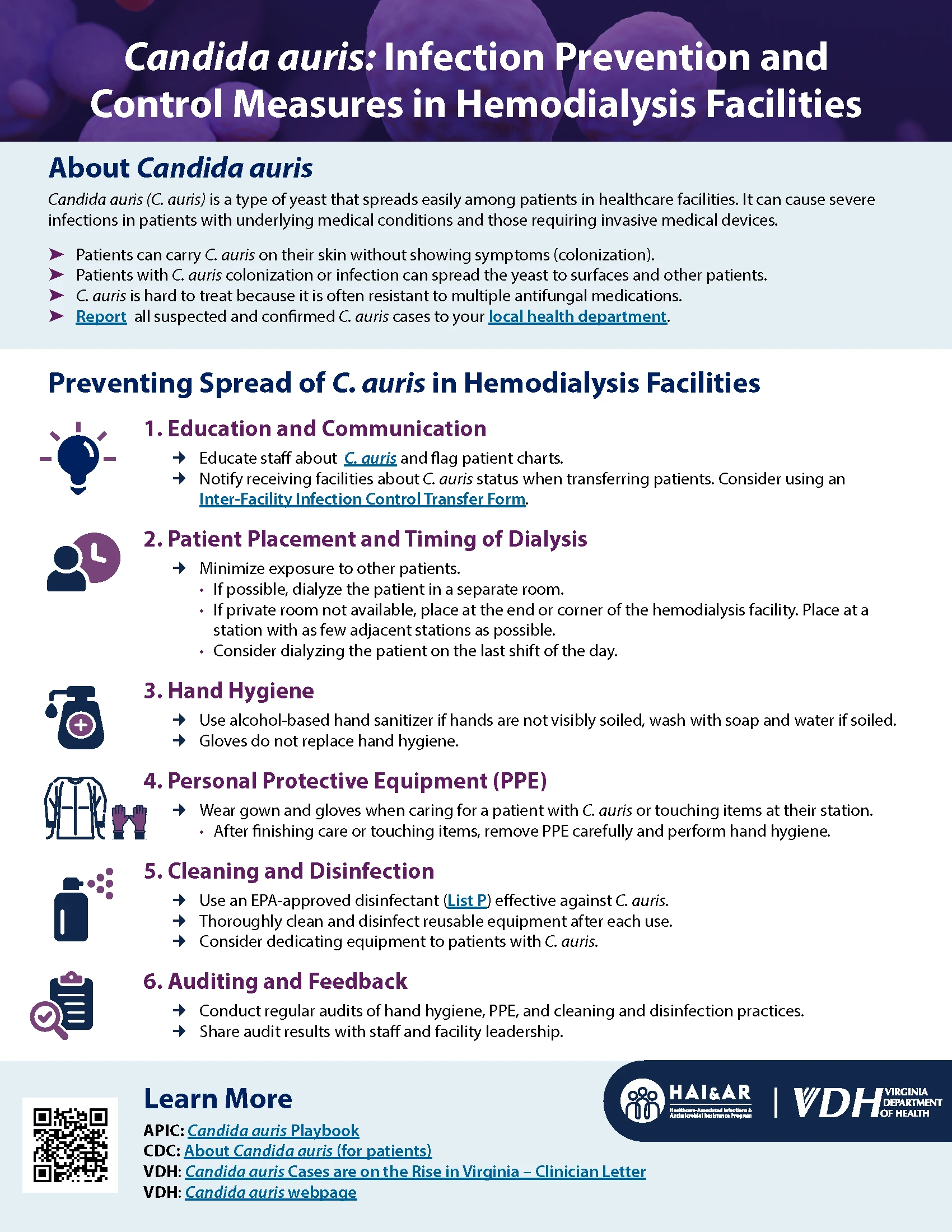
Public health guidance now treats colonization screening as a core defense. In practice, that means facilities have to look for patients carrying the fungus before symptoms appear, then use contact precautions or enhanced barrier precautions depending on the setting. Those steps matter because infected patients and colonized patients alike can contaminate beds, equipment and nearby surfaces.
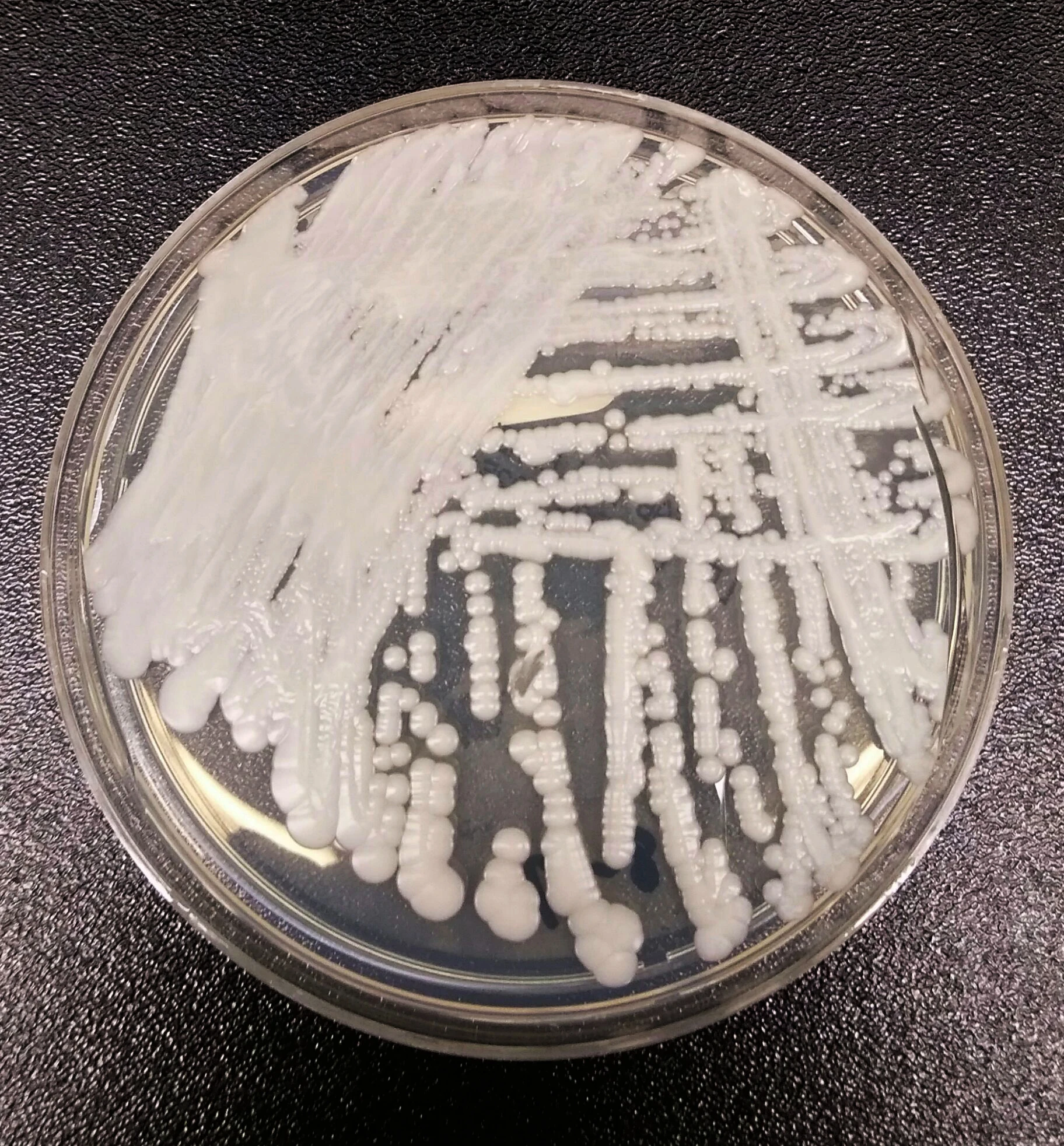
The treatment picture is also growing more difficult. Some C. auris cases are pan-resistant, meaning they resist all three main antifungal classes commonly used against Candida infections. That leaves clinicians with fewer options once the fungus takes hold and raises the cost of missing early detection.
The World Health Organization placed fungal pathogens on a priority list in 2022, its first global effort to systematically rank fungi by public health importance and research need. C. auris now sits near the center of that concern: a pathogen that thrives in healthcare settings, can hide on the skin, survives on surfaces and exposes the limits of infection control when surveillance and staffing are stretched.
Sources
- [1]nbcnews.com
- [2]cdc.gov
- [3]who.int